




From Concrete Jungles to Green Havens
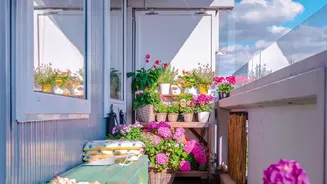
Across cities like Mumbai, Bengaluru, and Delhi, the sight of cascading bougainvillea, pots of chillies, and fragrant jasmine is becoming increasingly common. This surge in balcony gardening is more than just a passing trend; it's a response to the realities
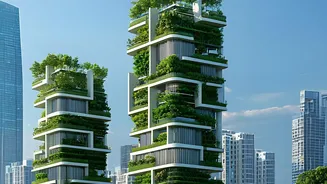
of urban life. For many apartment dwellers, a balcony is the only personal outdoor space available. Driven by a desire to reconnect with nature, concerns over food quality, and the simple joy of seeing something grow, people are turning these small spaces into productive and beautiful sanctuaries. It’s a grassroots movement, transforming the urban landscape one pot at a time and making green spaces a visible part of the city’s fabric.
A Remedy for the Urban Soul
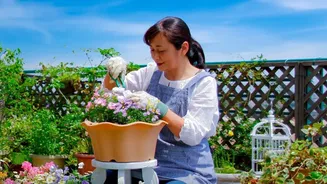
The benefits of this trend extend far beyond aesthetics. Research has consistently shown that gardening has a profound impact on mental well-being. The simple act of tending to plants can lower levels of the stress hormone cortisol, reduce anxiety, and elevate mood. In the fast-paced, screen-saturated life of an Indian city, spending even fifteen minutes with plants can provide a mindful, calming break from daily pressures. This connection to the natural world offers a powerful antidote to the mental fatigue and isolation that often accompany urban living. It fosters a sense of purpose and achievement, watching life flourish under your care.
More Than Just a Pretty View
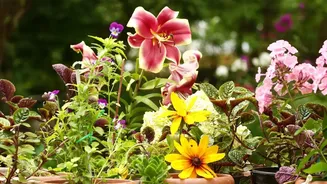
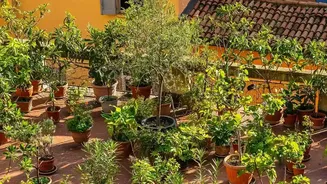
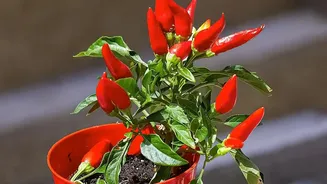
While flowering plants like hibiscus and marigolds are popular choices, many urban gardeners are also focused on growing their own food. Even a small balcony can yield a surprising bounty of fresh, chemical-free produce. Herbs like mint, coriander, and tulsi are easy to start with, while cherry tomatoes and chillies thrive in containers with enough sun. Growing your own food provides not only healthier and tastier ingredients but also a degree of food security, especially when market supplies are disrupted. Furthermore, these gardens are becoming vital mini-ecosystems, attracting pollinators like bees and butterflies and contributing to local biodiversity in concrete-heavy environments.
The Practicalities of a High-Rise Garden
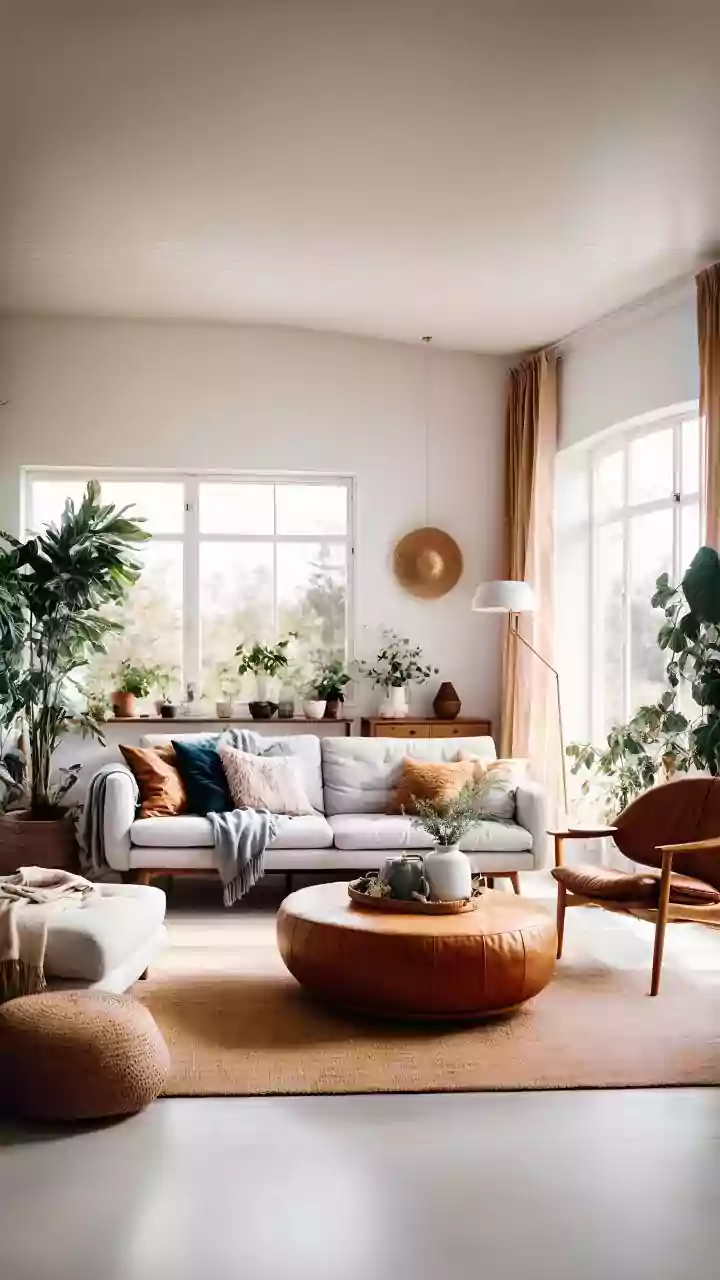
Starting a balcony garden is more accessible than many think, but it does require some planning. The most common mistakes beginners make are choosing the wrong plants for their specific conditions and using poor-quality soil in pots without proper drainage. The first step is to observe your balcony: how many hours of sunlight does it get, and is the light gentle morning sun or harsh afternoon heat? This will determine whether you should opt for sun-loving vegetables or shade-tolerant foliage plants like snake plants and money plants. To maximize limited floor space, gardeners are getting creative with vertical planters, railing pots, and hanging baskets. With the right setup, even the smallest balcony can become a thriving green oasis.
A Sustainable and Social Shift
This trend also represents a small but significant step towards a more sustainable urban lifestyle. Home gardens reduce reliance on produce that has been transported over long distances, cutting down the associated carbon footprint. Plants help cool down homes, potentially reducing the need for air conditioning, and improve local air quality by filtering dust and absorbing carbon dioxide. Beyond individual benefits, balcony gardens are fostering community connections. Neighbours share tips and cuttings, and some resident welfare associations are even transforming shared terraces into community gardens, building neighbourly bonds that modern apartment living often prevents.