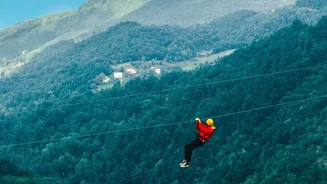







From Monuments to Meaningful Moments
For generations, tourism in India was largely about the destination—seeing the Taj Mahal, exploring the forts of Rajasthan, or lounging on the beaches of Goa. Today, a significant shift is underway. Travellers, both domestic and international, are asking
not just 'where can I go?' but 'what can I do?'. This has given rise to a boom in experiential travel, where the focus is on active participation and creating lasting memories. Instead of just seeing a place, people want to engage with its culture, environment, and people on a deeper level. This change reflects a broader evolution in consumer priorities, where authenticity and personal fulfilment are becoming the new luxury. Travel companies are responding by curating journeys that revolve around emotions and personal stories, not just itineraries.
The Wellness Wave
One of the biggest drivers of this new travel era is the pursuit of well-being. India, with its ancient traditions of Ayurveda, yoga, and meditation, is uniquely positioned to cater to this global trend. The wellness tourism market in India is experiencing explosive growth, with some projections showing a compound annual growth rate of over 15% between 2026 and 2035. Destinations like Kerala, with its world-renowned Ayurvedic centres, and Rishikesh, the global capital of yoga, are seeing a surge in interest. Travellers are seeking out structured programmes for stress management, digital detoxes, and holistic healing that address body, mind, and spirit. This isn't just a holiday; it's a reset button, a chance to recharge mentally and physically in ways that are hard to achieve at home. Even spiritual destinations like Varanasi are transforming into integrated tourism ecosystems, offering wellness and cultural immersion alongside religious rituals.
Answering Nature's Call
Parallel to the wellness boom is a growing desire to connect with nature. Ecotourism, adventure travel, and wildlife journeys are no longer niche interests but mainstream choices for many Indian travellers. The country’s ecotourism market is projected to grow significantly, with some estimates suggesting a CAGR of over 18% from 2024 to 2030. This trend is driven by a post-pandemic preference for open spaces and a desire to escape the confines of city life. From trekking in the Himalayas to exploring the tiger reserves of Madhya Pradesh or the unique ecosystems of the Western Ghats, travellers are seeking immersive outdoor experiences. This has also spurred the growth of sustainable travel options like community-run homestays and low-impact adventure tours that benefit local populations and contribute to conservation efforts.
What’s Driving the Shift?
Several factors are fuelling this move towards experiential travel. The post-pandemic landscape has heightened health consciousness and created a craving for meaningful connections. Digital fatigue and long work hours are pushing people to seek holidays that offer genuine relaxation and a break from screens. Furthermore, a growing domestic market with higher disposable incomes and a 'no regrets' approach to travel is willing to spend more on unique experiences. The Indian government is also playing a key role, actively promoting niche tourism segments like adventure, wellness, and ecotourism through initiatives like 'Dekho Apna Desh'. By encouraging travellers to explore lesser-known destinations, these campaigns aim to create a more balanced and sustainable tourism model.