







What Exactly Is Podi Pizza?
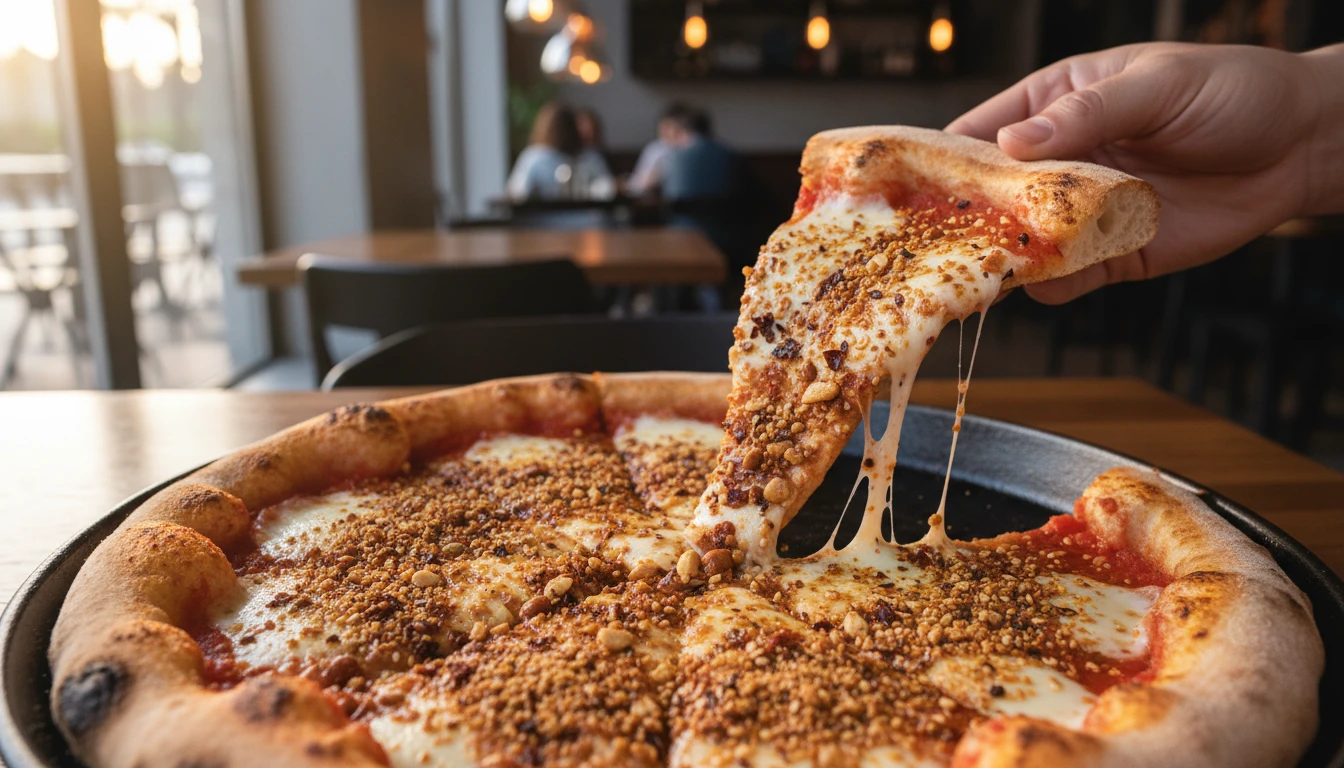
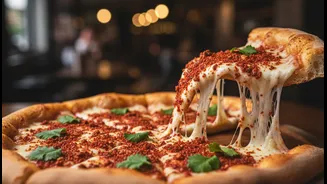
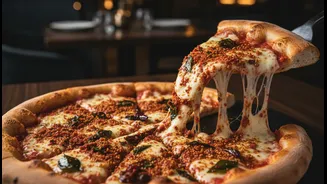
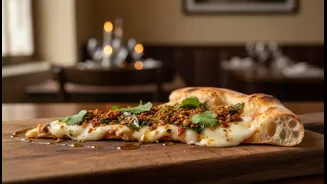
Imagine a classic thin-crust pizza, but instead of a familiar tomato base, it's generously dusted with a coarse, aromatic spice powder and often drizzled with ghee. This is podi pizza. The star of the show is 'milagai podi'—a flavour bomb from South India,
famously known as 'gunpowder'. It’s a dry condiment made from a blend of roasted lentils, sesame seeds, and fiery red chillies. Traditionally mixed with sesame oil or ghee and served with idli and dosa, its application on a pizza base is a creative leap that swaps Italian herbs for an iconic Indian flavour profile. The result is a savoury, spicy, and texturally unique experience that is both surprising and deeply satisfying.
From Traditional Tiffin to Trendy Topping
The journey of podi from a humble accompaniment in a South Indian tiffin box to a star topping in a modern urban pizzeria is a story of cultural migration. For generations, podi has been a pantry staple, a quick and reliable way to add flavour and nutrition to a simple meal of rice or idli. Its roots can be traced back through centuries of South Indian culinary history. By placing this distinctly regional flavour onto a globally recognised format like pizza, chefs are making a bold statement. They are taking a taste that is deeply ingrained in one culture and introducing it to a new context, making it accessible and exciting for diners who may not have grown up with it. It’s a move that honours tradition while playfully defying it.
A Sign of Culinary Confidence
The rise of dishes like podi pizza signals a new phase in Indian cuisine, often dubbed 'New Indian' or 'Modern Indian'. This movement is less about forced fusion and more about a confident reimagining of tradition. Chefs are no longer just translating Indian food for a global audience; they are innovating from a place of strength, knowing that the country's diverse regional flavours can stand on their own. This isn’t about making Indian food more Western, but about using global formats as a canvas for Indian expression. The podi pizza isn't an apology for Indian flavours—it's a celebration of them on a world stage, demonstrating that milagai podi can be just as compelling as pesto or pomodoro.
More Than a Meal, It's a Conversation
This trend does more than just create interesting flavours; it breaks down invisible walls. Firstly, it bridges the gap between international and Indian cuisines, showing they can coexist on the same plate. Secondly, within India, it challenges culinary purism. By putting a quintessentially South Indian product on a dish popular across the country, it encourages a cross-pollination of regional tastes. Someone in Mumbai or Delhi who might have only associated South Indian food with idli and sambar can now experience a key flavour in a familiar 'pizza' format. This exchange fosters a broader appreciation for the country's immense culinary diversity, one slice at a time.
The Bigger Picture of Indian Fusion
Podi pizza is not an isolated phenomenon. It's part of a larger, exciting trend across India where chefs are creatively blending flavours. You might find butter chicken in a taco, gulab jamun in a cheesecake, or vada pav reimagined as a gourmet slider. This experimentation reflects a dynamic and globalised India, where cultural identity is fluid and playful. It speaks to a generation of diners who are both rooted in their heritage and curious about the world. These dishes are not gimmicks but are becoming a new, authentic expression of contemporary Indian identity—a cuisine that is constantly evolving, just like the country itself.