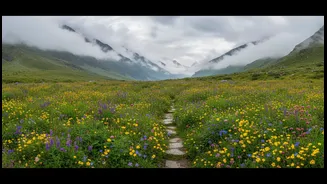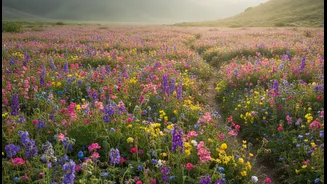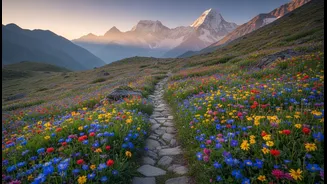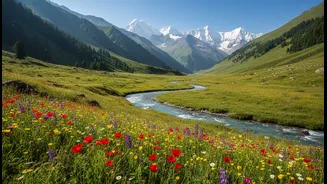






Beauty and the Beast: The Trek's Realities
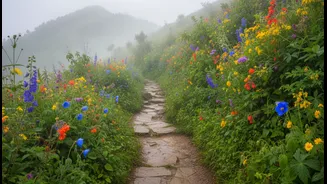
The Valley of Flowers is a UNESCO World Heritage Site, famed for its meadows of endemic alpine flowers. But reaching this paradise requires navigating a trek with a moderate difficulty level, not because of technical climbing, but due to a combination
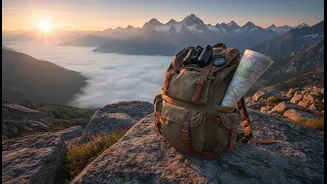
of high altitude, long walking hours, and notoriously unpredictable weather. The trek is accessible during the monsoon season (July to September) when the flowers are in full bloom, which means trekkers must be prepared for constant rain, slippery trails, and sudden temperature drops. This unique environment, where conditions can change in minutes, is precisely why meticulous gear planning is the first and most important step of the journey.
Footwear: Your Most Critical Decision
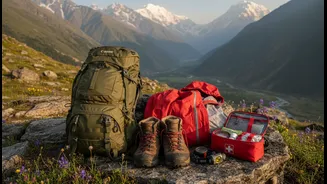
On a trail that is often rocky, muddy, and slippery from rain, your choice of footwear can make or break the experience. Standard sports shoes simply won't do. Trekkers require sturdy, waterproof trekking boots that provide excellent grip and crucial ankle support. Ankle support helps prevent twists on uneven, stone-paved paths, while a waterproof membrane keeps your feet dry during stream crossings or sudden downpours, warding off blisters and discomfort. It is highly recommended to break in new shoes for at least two weeks before the trek to ensure a comfortable fit and avoid painful blisters on the trail.
Layering: The Art of All-Weather Readiness
Temperatures in the region can swing dramatically. A sunny afternoon can quickly turn into a cold, windy, and rainy ordeal. The key to comfort and safety is a smart layering system. This involves a moisture-wicking base layer to keep sweat off your skin, a fleece or light insulated jacket for warmth, and a waterproof, windproof outer shell (like a good quality poncho or rain jacket) as the final barrier against the elements. Cotton is a strict no-go as it absorbs moisture and takes a long time to dry, which can be dangerous at high altitudes. Quick-dry synthetic fabrics are the standard for all clothing, from t-shirts to trekking pants.
Rain Protection: A Non-Negotiable Priority
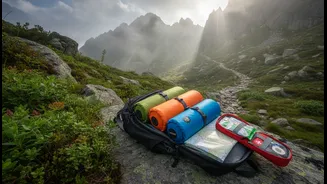
Since the trek runs through the monsoon season, preparing for rain is not an option—it's a necessity. Beyond a waterproof jacket and pants, a reliable rain cover for your backpack is essential to keep your spare clothes, electronics, and other supplies dry. Many trekkers prefer a poncho, which can cover both the person and their daypack. Using dry bags or even simple zip-lock bags inside your rucksack provides an extra layer of waterproofing for sensitive items like your phone, wallet, and personal documents. Being wet at high altitudes leads to rapid body heat loss, making robust rain protection a critical safety measure.
Altitude and Medical Preparedness
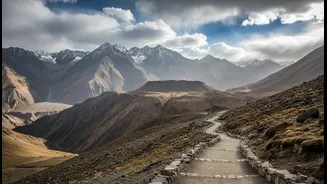
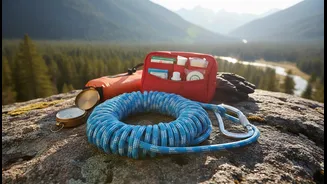
The trek reaches altitudes above 14,000 feet, particularly on the optional but popular trip to Hemkund Sahib, putting trekkers at risk of Acute Mountain Sickness (AMS). Symptoms can range from headaches and dizziness to more severe complications. Proper acclimatization, staying hydrated, and maintaining a slow, steady pace are the best preventative measures. Your personal medical kit should include basics for blisters and pain, along with any personal medications. Many trekkers also carry medication for altitude sickness, like Acetazolamide (Diamox), but it's crucial to consult a doctor before your trip to discuss its suitability and dosage.