


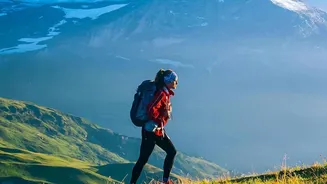
What Makes a Trek 'Beginner-Friendly'?
Before lacing up your boots, it helps to know what to look for in a first-time trek. Beginner-friendly trails are typically those with well-marked paths, gradual ascents, and shorter daily walking distances. They usually don't exceed altitudes of 12,500
feet, which helps minimise the risk of acute mountain sickness. These treks often last between two to six days, offering a true taste of Himalayan wilderness without requiring extreme endurance or technical skills. They also tend to have established campsites and basic facilities along the route, ensuring a safer and more comfortable experience.
The Weekend Warrior: Nag Tibba, Uttarakhand
Often called the perfect weekend trek, Nag Tibba is one of the most accessible options for anyone starting from Delhi or Dehradun. Standing at an altitude of 9,915 feet, it's the highest peak in the lower Himalayan region of Uttarakhand. The trek can be completed in just two days, making it ideal for those short on time. The trail takes you through dense oak and deodar forests, opening up to stunning panoramic views of major Himalayan peaks like Swargarohini and Bandarpoonch from its summit. Its manageable terrain and short duration make it a popular choice for families and first-timers, especially between March and June or September and December for the clearest weather.
The Postcard View: Triund, Himachal Pradesh
If your dream is to camp with a spectacular view, the Triund trek is for you. This hugely popular trek starts from near McLeod Ganj and takes you to an elevation of around 9,350 feet. The trail is a relatively easy-to-moderate 9-kilometre walk that can be done in a day, but the real magic is camping overnight on the vast grassy meadow at the top. From here, you get a front-row seat to the magnificent Dhauladhar range. The best times to go are spring (March-June) and autumn (September-November), when the weather is pleasant and the views are crystal clear.
The Winter Wonderland: Kedarkantha, Uttarakhand
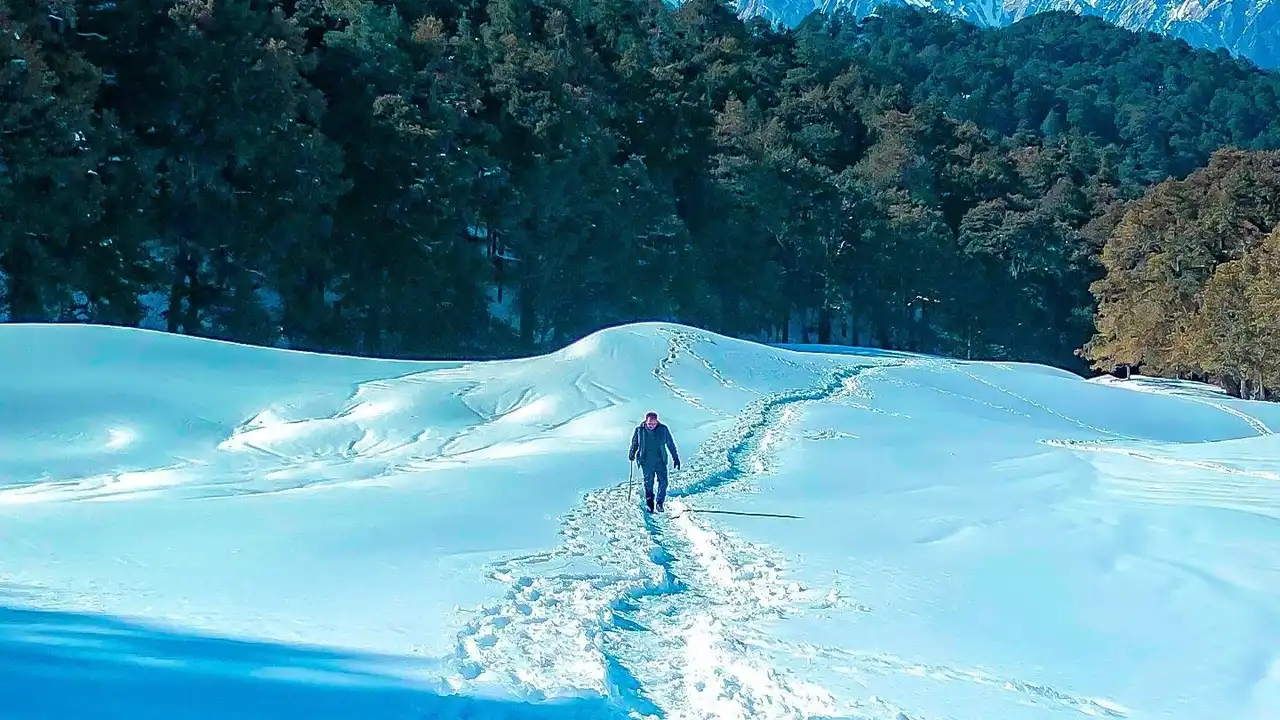
For those who dream of a snow-laden landscape, the Kedarkantha trek is considered one of India's best winter treks for beginners. Located in Govind Wildlife Sanctuary, this trek takes you up to a summit of 12,500 feet. While it's slightly more challenging than Nag Tibba or Triund, it is still very manageable for novices with a basic level of fitness due to its well-marked trails and gradual inclines. The trek usually spans 4-5 days, starting from the village of Sankri. The reward for your efforts is a breathtaking 360-degree view of Himalayan giants and the unforgettable experience of walking through snowy forests. The prime season for snow is from December to February.
The Monsoon Jewel: Valley of Flowers, Uttarakhand
A UNESCO World Heritage Site, the Valley of Flowers offers a unique Himalayan experience. Unlike other treks best avoided in the monsoon, this one comes alive from July to September when hundreds of species of alpine flowers burst into a vibrant carpet of colour. The trek itself is of moderate difficulty, starting from Govindghat and heading to the base camp at Ghangaria. The trail to the valley is a relatively gentle walk from Ghangaria. The maximum altitude is around 12,000 feet, making it suitable for beginners who are prepared for rainy conditions and have a good pair of waterproof boots. It’s an enchanting journey that feels like walking into a fairytale.