




An Icon of the Indian Monsoon
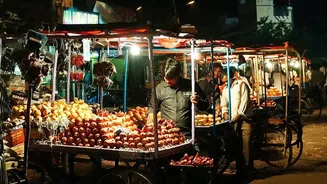
For millions across India, the monsoon season is incomplete without the ritual of eating bhutta. As the rains provide a welcome respite from the summer heat, vendors with their small carts and charcoal grills become a common sight on city streets and highways.
The experience is about more than just the food; it’s the sound of crackling coals, the sight of the vendor fanning the flames, and the simple joy of huddling under an umbrella while waiting for your corn to be roasted to smoky perfection. This snack is deeply woven into the cultural fabric of the season, a tradition that brings people together and evokes a sense of nostalgia.
The Seasonal Secret Revealed
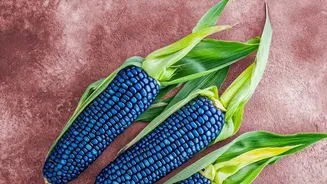
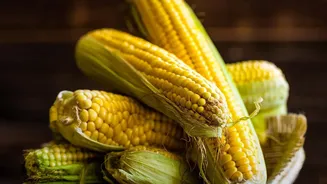
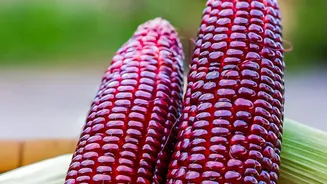
The real secret to why bhutta is best in August lies in the type of corn used. While American sweet corn is available in stores year-round, the bhutta sold by street vendors during the monsoon is often the indigenous Indian variety, known as 'desi makai'. August marks the peak harvest season for this native corn, which thrives during the rains. This isn't the juicy, sugary sweet corn you might be used to. Desi corn is harvested at a more mature stage, resulting in kernels that are starchier, chewier, and have a more robust, earthy flavour. This unique profile is what makes it the perfect candidate for roasting over open coals.
Desi Corn vs. Sweet Corn
The difference between desi bhutta and the widely available sweet corn is significant. American sweet corn, a hybrid variety, contains three to five times more sugar, making it much sweeter. Desi corn, on the other hand, has a lower sugar content that converts into complex starch, giving it a more satisfying, hearty texture. This is why sweet corn is often boiled or steamed, as its delicate sweetness can be lost on a fiery grill. Desi corn’s starchy and less watery kernels hold up beautifully to the high heat of the charcoal, getting charred and smoky on the outside while remaining tender within. This contrast in texture and flavour is what bhutta aficionados eagerly await each year.
The Art of Preparation
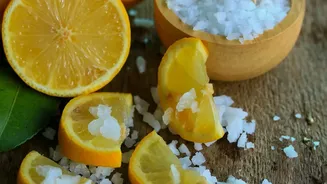
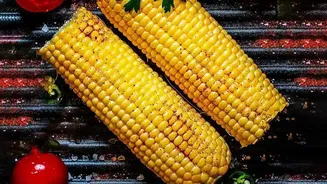
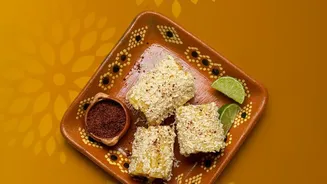
The preparation of street-style bhutta is a ritual in itself. After being roasted directly over hot coals until the kernels are tender and lightly blackened, the real magic begins. The vendor takes half a lemon, dips it generously into a mixture of salt, red chilli powder, and sometimes other spices like chaat masala, and rubs it vigorously all over the hot cob. This tangy, spicy, and salty coating perfectly complements the smoky, slightly-charred flavour of the desi corn. It’s an explosion of flavours that is both simple and profoundly satisfying, a taste that has become synonymous with the rainy season across the country.
A Healthier Street Snack
Compared to many other deep-fried street food options popular during the monsoon, bhutta is a relatively healthy choice. Because it is roasted, not fried, it’s a lower-calorie snack. Desi corn is particularly nutritious, offering a good amount of dietary fibre, which aids digestion. It also has a lower glycemic index than sweet corn, meaning it doesn't cause a sharp spike in blood sugar levels. Furthermore, it is a source of antioxidants and vitamins like Vitamin A and C. When you choose bhutta, you're not just indulging in a tasty treat; you're also opting for one of the more wholesome snacks the street has to offer.