



The Supreme Court's Decisive Order
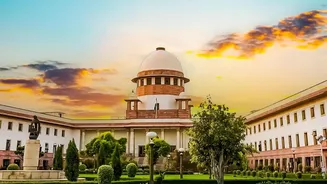
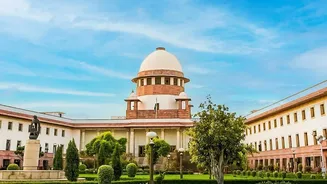
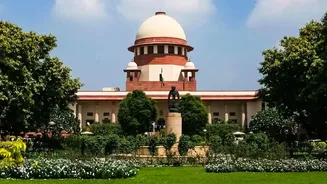
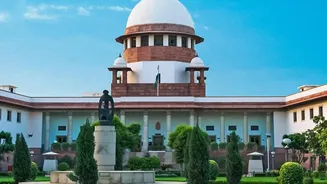
In a significant move to enhance passenger safety and equity, the Supreme Court of India has directed Indian Railways to provide mandatory insurance coverage for all tickets sold at physical counters. This directive, issued on October 6, 2026, by a bench
of Justices Ahsanuddin Amanullah and R. Mahadevan, sets a firm deadline of October 27, 2026, for implementation. The court minced no words, stating the order is 'mandatory' and that the Railway Board will be held directly responsible for any failure to comply. This ruling came during a hearing on a broader railway safety case that originated from the tragic Odisha train accident in June 2023, which brought passenger safety and existing protection mechanisms under sharp judicial scrutiny.
Bridging a Critical Safety Gap
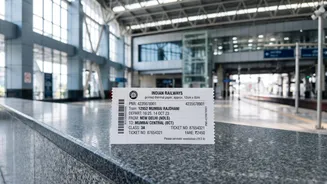
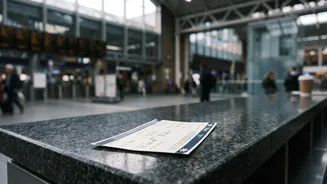
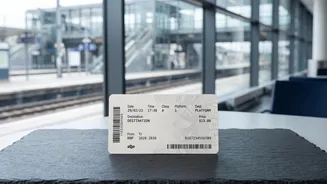
Until now, a significant disparity existed in passenger protection. Travellers booking tickets through the IRCTC website or app had the option to add travel insurance for a nominal fee—currently around 45 paise per passenger. However, this crucial facility was unavailable to millions of people who purchase their tickets at railway station counters. The court noted that this group often includes individuals from economically weaker sections, migrant workers, and those in rural areas who may lack digital access. By making insurance universal, the court has eliminated a two-tier system and affirmed that the method of booking should not determine a passenger's right to financial protection.
What Does the Insurance Cover?
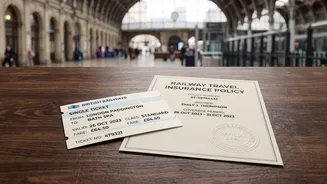
While the exact terms for the newly mandated offline insurance are yet to be detailed by the Railways, they are expected to mirror the coverage offered for online tickets. Typically, this optional policy for e-tickets provides coverage for death or permanent total disability, permanent partial disability, and hospitalisation expenses in the event of a train accident or other untoward incidents during the journey. The sum insured can run into several lakhs, offering a vital financial cushion for victims and their families. The court's directive aims to ensure that the same level of protection is extended to every passenger, regardless of how they bought their ticket. The policy information, including a link to file nomination details, is usually sent via SMS and email for online bookings, and a similar mechanism will need to be established for offline tickets.
From Proposal to Mandate
The journey to this landmark order was marked by judicial persistence. In previous hearings, the Supreme Court had repeatedly urged the railway authorities to create a mechanism for extending insurance to offline ticket holders. Despite assurances from the government that the matter was being considered and modalities were being worked out, the court expressed its 'utter disappointment' at the lack of tangible progress on the ground. Frustrated by the delays, the bench decided to transform the suggestion into a binding directive. This shift from 'proposal' to 'mandate' underscores the court's firm stance on passenger safety as a non-negotiable aspect of public transport.
What This Means for Passengers
From October 27, 2026, anyone buying a train ticket from a station counter will automatically be covered by travel insurance. The responsibility for implementing this lies with Indian Railways, which must now integrate the necessary software and processes at thousands of reservation counters across the country. Passengers should be aware of this new right. While the premium for online tickets is minimal, it remains to be seen how the cost will be handled for counter tickets, though it is expected to be a nominal amount integrated into the ticket price. This move ensures that in the unfortunate event of an incident, every passenger has access to a standardized level of financial support, strengthening the social safety net for millions who rely on India's vast railway network.