




A New Wave of Hype and Hardware
The world of robotics is buzzing with unprecedented energy. Companies like Figure AI, Apptronik, and even Tesla are showcasing humanoid robots with increasingly sophisticated abilities. These aren't just lab experiments anymore. Figure's robots are already
on the factory floor at a BMW plant in the US, moving beyond simple tasks to more complex logistics. The sight of Tesla's Optimus neatly folding a t-shirt in a promotional video or Figure's robot making coffee captures the public imagination, backed by billions in venture capital investment that signal a serious push toward commercialization. This new generation of robots is designed to operate in spaces built for humans, promising a level of flexibility that traditional, fixed automation can't match. The industry has moved from speculative prototypes to commercially available platforms, sparking a global race to see who can build not just the most capable robot, but the most economically viable one.
The Pitch: A Robot for Every 'Dull, Dirty, and Dangerous' Task
The core sales pitch for humanoid robots is compelling. Proponents argue they are the perfect solution for tasks that are dangerous, repetitive, and physically demanding—the '3D' jobs that companies often struggle to fill. In manufacturing and logistics, this could mean anything from loading parts onto an assembly line to sorting packages in a warehouse, 24/7, without breaks or injuries. Beyond the factory, developers envision them assisting in healthcare, stocking retail shelves, and even performing tasks in space. The key advantage is their human-like form, which allows them to use tools and navigate environments designed for people, theoretically reducing the need for costly facility redesigns that fixed automation often requires. The ultimate promise is a flexible, tireless workforce that can be deployed wherever it's needed most.
The Reality Check: Staggering Costs vs. Limited Capability
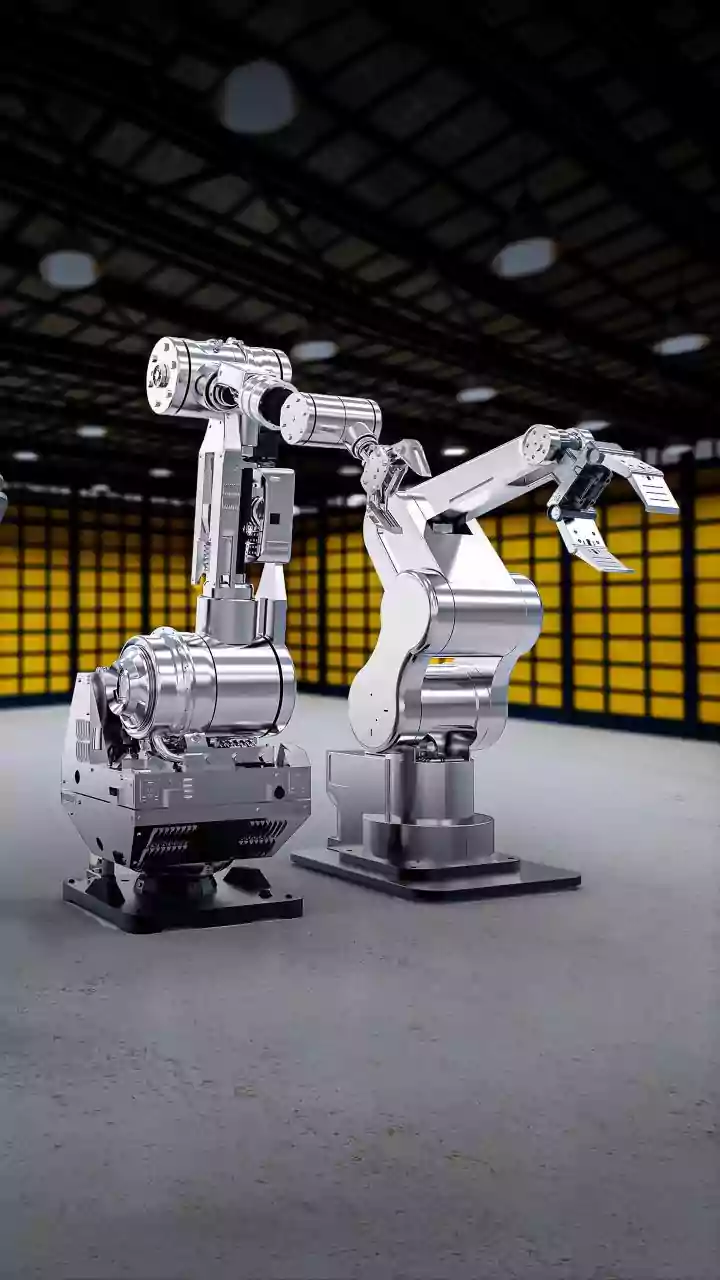
Despite the futuristic demos, the business case for humanoid robots runs into a wall of economic reality. The primary obstacle is cost. While prices are falling, industrial-grade humanoids can still carry price tags from tens of thousands to well over $100,000 per unit. When a business can install highly efficient, specialized automation like a robotic arm or conveyor system for a specific, high-volume task, the flexible but slower and more expensive humanoid often loses the direct cost-benefit analysis. The return on investment, or ROI, is the central question, and it's not a simple calculation. It depends entirely on the specific task, the robot's reliability, and the cost of human labor it's replacing. For now, in many scenarios, a traditional robot that does one thing perfectly is a safer financial bet than a humanoid that does many things imperfectly.
The Software and Battery Bottleneck
Ironically, the biggest challenge for humanoid robots may not be their bodies, but their brains. The physical hardware—actuators, sensors, and limbs—has advanced dramatically. However, the artificial intelligence needed to guide them through the unpredictable chaos of the real world is still catching up. A robot that can flawlessly perform a task in a controlled lab might freeze when encountering an unexpected object on a factory floor. Furthermore, battery life remains a significant constraint, with many models unable to complete a full eight-hour shift on a single charge, limiting their utility and uptime. Until these robots can operate for longer periods and adapt to novel situations as reliably as humans, their 'general purpose' label remains more of an aspiration than a reality.
Where They Are Actually Working
To move beyond hype, several companies are running crucial pilot programs. The most high-profile is Figure AI's partnership with BMW Manufacturing in South Carolina. After a successful 11-month deployment where an earlier model handled sheet metal parts for over 30,000 vehicles, the newer Figure 03 is now tackling more complex logistics tasks like sorting components. Similarly, Agility Robotics' bipedal robot, Digit, has been deployed in warehouses to move totes and manage inventory. These early deployments are less about replacing the entire human workforce and more about proving that the technology can function reliably and safely in a live production environment. The data gathered from these real-world shifts—on everything from efficiency and uptime to maintenance needs—will be critical in building the business case for broader adoption.