


What Exactly Is The Proposal?
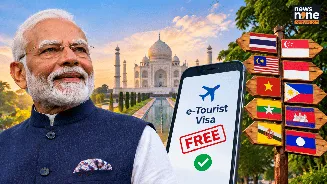
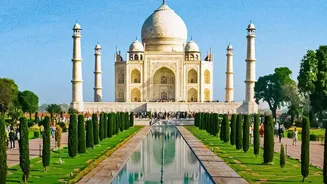
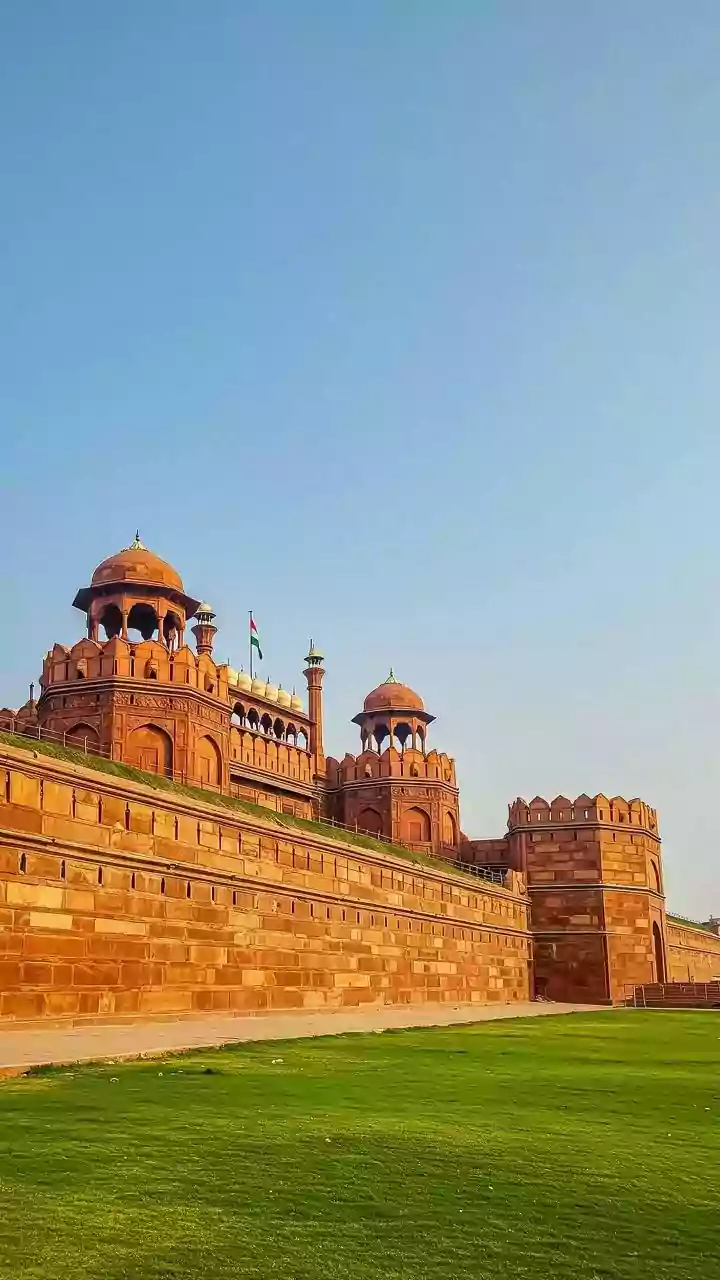
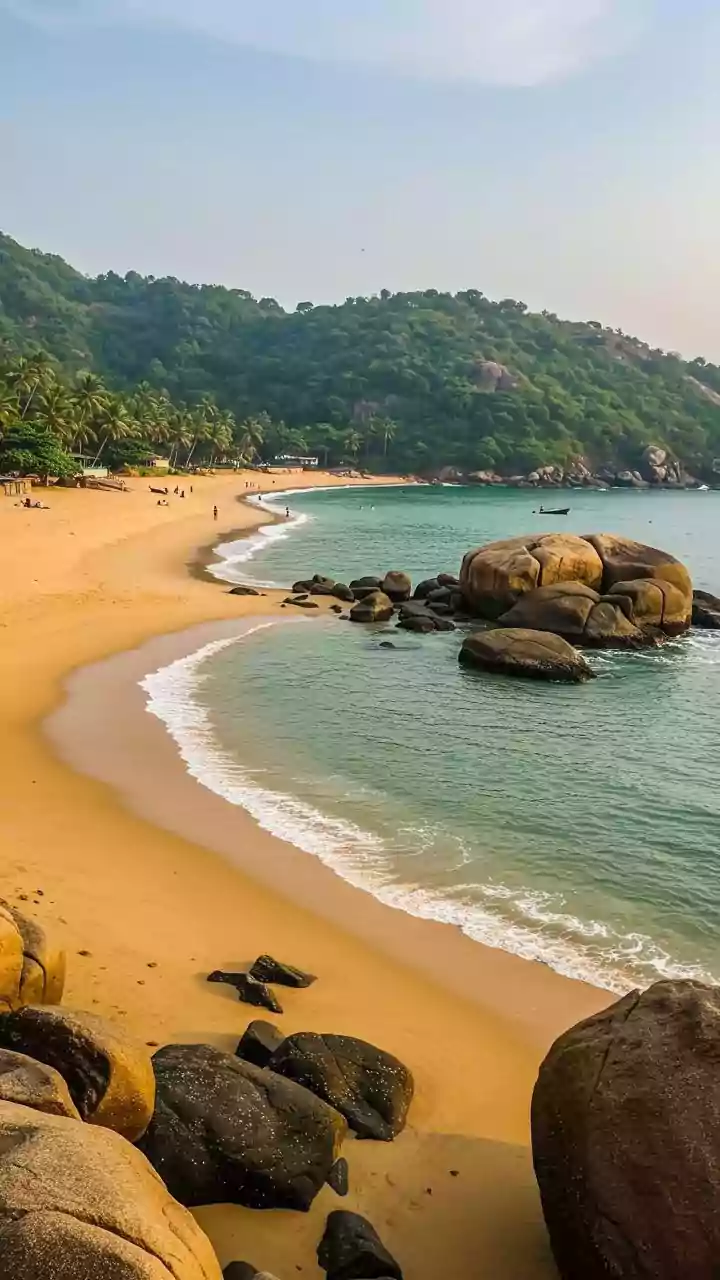
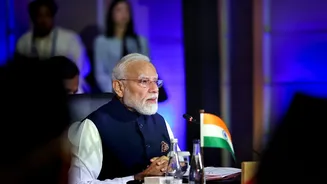
During the 23rd India-ASEAN Summit in Manila, Philippines, Prime Minister Narendra Modi announced a proposal to offer free electronic tourist visas to travellers from all eleven ASEAN member countries. This means that while tourists would still need to apply
for an e-visa online, the associated government fee would be waived. The proposal covers Brunei, Cambodia, Indonesia, Laos, Malaysia, Myanmar, the Philippines, Singapore, Thailand, Vietnam, and the bloc's newest member, Timor-Leste. It is important to note that this is currently a proposal; the Indian government has not yet announced an official start date or the final eligibility details. The move aims to streamline travel, encourage tourism, and deepen the people-to-people connections between India and the economically vibrant Southeast Asian region.
An Extension of an Existing Policy
While the announcement is significant, it's more of an expansion than a brand-new initiative. India already offers a free 30-day e-tourist visa to citizens of 27 countries, including five ASEAN members: Indonesia, Myanmar, Malaysia, the Philippines, and Thailand. For Indonesia and Myanmar, even the one-year and five-year e-visas are free. For the other three, only the 30-day visa is free of charge. This new proposal would harmonize the policy by extending the fee waiver to the remaining six ASEAN countries: Brunei, Cambodia, Laos, Singapore, Timor-Leste, and Vietnam, making entry into India more accessible and affordable for the entire bloc.
The 'Act East' Policy in Action
This visa proposal is a clear and practical application of India's 'Act East' Policy. Initiated as 'Look East' in the 1990s and upgraded to 'Act East' in 2014, the policy focuses on transforming diplomatic ties with Southeast Asian nations into tangible economic and strategic partnerships. By making travel easier, India is not just rolling out a welcome mat for tourists but also signalling its commitment to deeper integration with ASEAN, a region it views as central to its Indo-Pacific strategy. The policy emphasizes the '3 Cs'—Commerce, Culture, and Connectivity—and this visa initiative directly serves all three by promoting tourism (commerce), fostering cultural exchange, and simplifying physical connectivity.
How E-Visas Simplify Travel
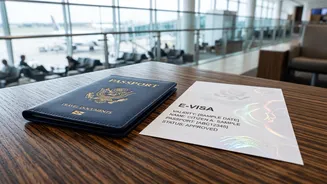
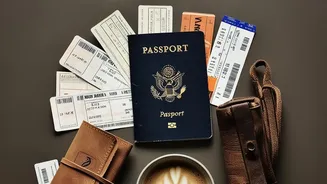
An e-visa, or Electronic Travel Authorization (ETA), has revolutionized international travel by eliminating the need to visit an embassy or consulate. Applicants apply online by filling out a form and uploading a digital photograph and a scan of their passport. After the fee is paid (or in this proposed case, waived), the application is processed, usually within a few business days. If approved, the traveller receives the ETA via email. They must print this document and present it to immigration officials upon arrival in India, where their biometric information is collected and the visa is stamped into their passport. India's e-visa system offers various durations, including 30-day, one-year, and five-year options, catering to different travel needs.
Boosting Tourism and the Economy
The economic rationale behind the proposal is compelling. The ASEAN region is a significant source of tourism for India, with nearly 7 million visitors recorded in 2025. By removing the visa fee, India aims to make itself a more attractive and competitive destination compared to other countries vying for the attention of Southeast Asian tourists. A surge in tourism would directly benefit India's hospitality, aviation, and retail sectors, creating jobs and stimulating local economies. This is particularly crucial for regions like Northeast India, which is being positioned as a strategic gateway to Southeast Asia through infrastructure projects like the India-Myanmar-Thailand Trilateral Highway. Enhanced tourism is expected to spur economic growth and create new opportunities for cross-border trade and investment.