





The Winter Wonder Grain
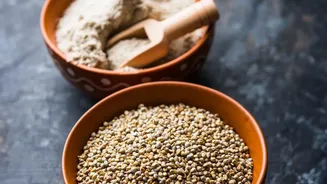
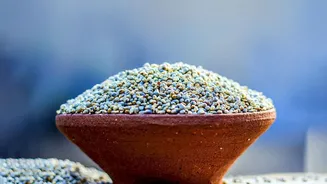
Bajra, or pearl millet, is a gluten-free ancient grain that has been a cornerstone of Indian cuisine for centuries, especially in states like Rajasthan, Gujarat, and Haryana. This hardy crop thrives in dry conditions, making it a reliable source of nutrition.
Ground into flour, it has an earthy, nutty flavour that pairs beautifully with the rich foods of winter. Its resurgence in popularity is thanks to a renewed interest in millets and traditional diets, which highlight its impressive nutritional profile and seasonal relevance. Bajra is packed with complex carbohydrates, plant-based protein, and dietary fibre, making it a superior choice over many refined grains.
Why Bajra is a Winter Essential
Traditionally, bajra is considered a 'warming' food, making it ideal for the colder months. This isn't just folklore; the high fibre content requires more energy to digest, which can help generate internal warmth. Beyond this, bajra is a nutritional powerhouse. It is rich in minerals like magnesium, iron, and phosphorus. Magnesium is beneficial for heart health and can help regulate blood pressure, while iron is crucial for maintaining energy levels and supporting the immune system against seasonal illnesses. The high fibre content also aids digestion, preventing the sluggishness and constipation that can sometimes accompany winter diets. Being naturally gluten-free, it is an excellent option for those with celiac disease or gluten sensitivity.
How to Make the Perfect Bajra Roti
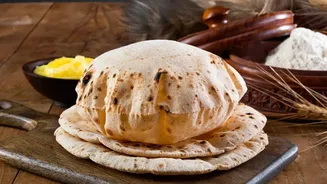
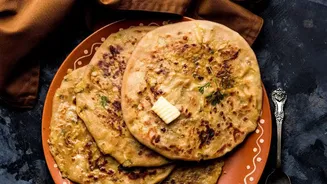
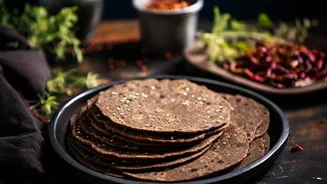
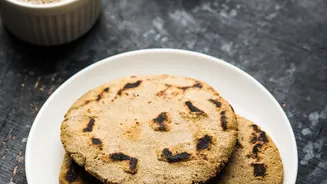
Making bajra roti can seem intimidating because its gluten-free nature means the dough can be prone to cracking. However, the secret to a soft, pliable roti lies in using hot water. To begin, bring water to a near boil. In a wide bowl, place one cup of bajra flour with a pinch of salt. Gradually pour in the hot water, mixing with a spoon until the flour comes together. Once it's cool enough to handle, knead the dough for a few minutes with the heel of your palm until it is smooth. It’s best to knead only enough dough for one roti at a time, as it tends to dry out quickly. Take a lemon-sized portion, roll it into a smooth ball, and then pat it out between your palms or on a sheet of butter paper to a circle about 5 inches wide. Cook on a hot tawa for about a minute on each side before puffing it directly on the flame. Serve immediately with a dollop of white butter or ghee for the best flavour and texture.
Beyond the Roti: More Winter Warmers
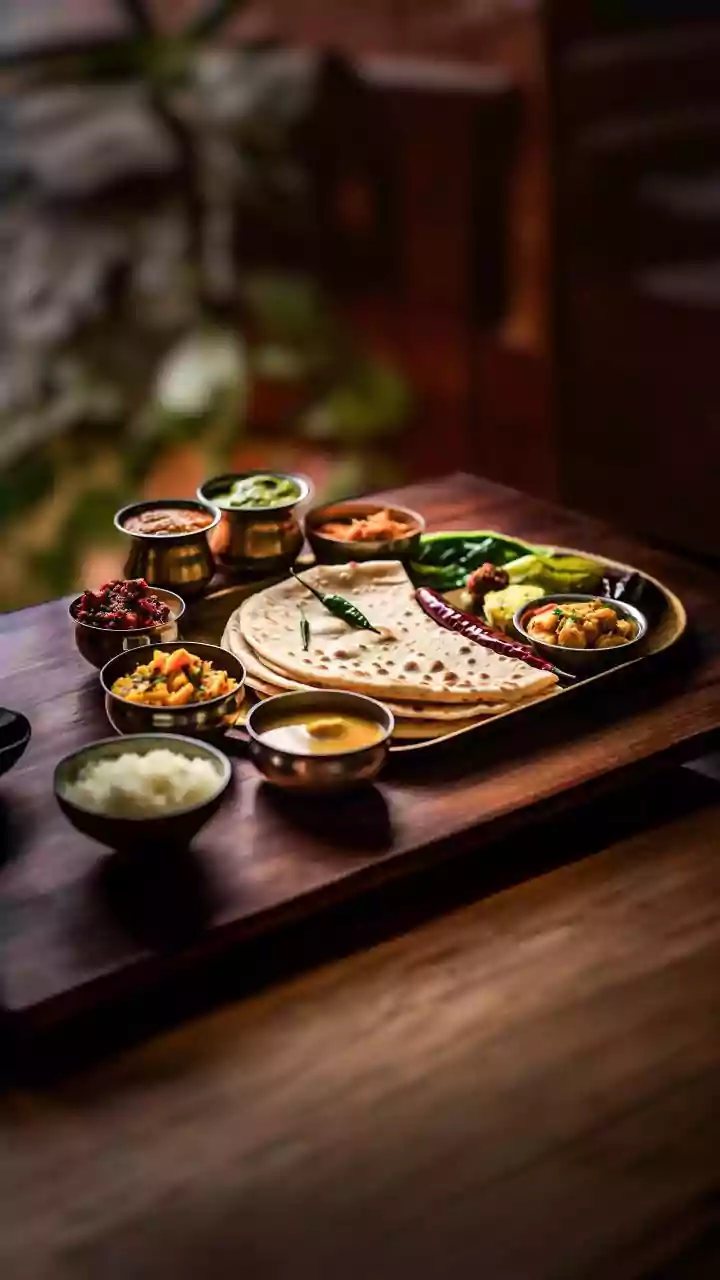
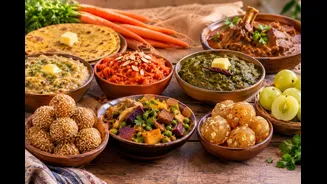
While Bajra Roti is a star, the Indian winter table is laden with other nourishing delights. These dishes often feature seasonal produce and ingredients traditionally believed to provide warmth and strength during the cold season. From hearty greens to energy-dense sweets, these recipes are a celebration of seasonal eating.
Recipe Spotlight: Sarson ka Saag
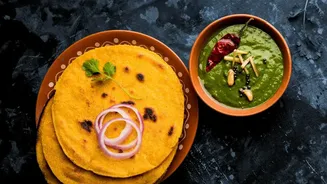
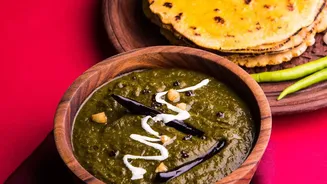
No winter meal is complete without mentioning the iconic companion to millet rotis: Sarson ka Saag. A classic Punjabi dish, it's made from a blend of mustard greens (sarson), often mixed with spinach (palak) or bathua (chenopodium). Slow-cooked for hours with ginger, garlic, and spices, it becomes a creamy, flavourful delicacy. Mustard greens are a winter harvest and are rich in vitamins A, C, and K, as well as iron and antioxidants, making this dish a powerhouse of immunity-boosting nutrients perfect for fending off winter colds. It's traditionally served with a generous spoonful of ghee.
Recipe Spotlight: Gond ke Laddoo
A quintessential winter sweet, Gond ke Laddoo is both a treat and a traditional remedy. The key ingredient, 'gond', is an edible gum from the acacia tree, known for its warming properties. The gond is fried in ghee until it puffs up and then combined with whole wheat flour, nuts, jaggery, and spices. These laddoos are incredibly energy-dense, making them perfect for combating winter lethargy. They are also believed to boost immunity, strengthen bones, and lubricate joints, which is especially beneficial for joint stiffness that can worsen in the cold. Traditionally, they are given to new mothers to aid recovery.
Recipe Spotlight: Gajar ka Halwa
The arrival of sweet, red winter carrots signals the season for Gajar ka Halwa. This beloved dessert involves grating carrots and slow-cooking them in milk, ghee, and sugar until they form a rich, pudding-like consistency, often flavoured with cardamom and garnished with nuts. Carrots are an excellent source of Vitamin A and beta-carotene, making this indulgent dessert a surprisingly nutritious option. It's a comforting and festive dish that brings warmth to any winter gathering.