





The New Weekend Itinerary
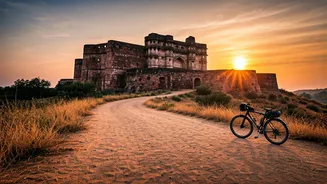
There’s a quiet revolution happening in the historic towns of Central India. In places like Orchha, Mandu, and Gwalior, the demographics of visitors are changing. Alongside seasoned tourists and history buffs, a noticeably younger crowd is exploring the ramparts
of ancient forts and the intricate carvings of centuries-old temples. Armed with smartphones and a genuine curiosity, these young travellers are turning heritage walks into a mainstream activity. This isn't a passive, follow-the-guide tour; it's an active, immersive experience where history isn't just observed but felt. The trend signifies a broader cultural shift, where exploring one's own backyard and understanding its stories has become a new form of social currency.
Beyond the Textbook History
For many, school history lessons were a dry affair, filled with dates and dynasties that felt disconnected from reality. This new wave of heritage tourism is the antidote to that. The appeal lies in storytelling. A well-curated heritage walk doesn't just point out a monument; it brings to life the tales of romance, betrayal, ambition, and artistry that transpired within its walls. Hearing the story of Baz Bahadur and Rani Roopmati while standing in Mandu’s monsoon-kissed palaces, or visualising the fierce battles at Gwalior Fort, provides a visceral connection that a textbook cannot. This experiential approach transforms abstract historical facts into compelling human narratives, making the past feel immediate and relevant.
The Storytellers Making History Cool
This trend is not accidental. It's being driven by a new generation of passionate historians, storytellers, and local entrepreneurs who have found innovative ways to package and present history. Groups and individuals across Madhya Pradesh and neighbouring regions are curating thematic walks—from ghost walks in colonial-era buildings to architectural tours focusing on specific dynasties. They use social media platforms like Instagram and WhatsApp to announce walks, share fascinating tidbits of information, and build communities of 'history geeks'. These guides are often young themselves, speaking the language of their audience and understanding how to make a 15th-century fort feel as exciting as the latest web series.
Mandu and Orchha: The Epicentres
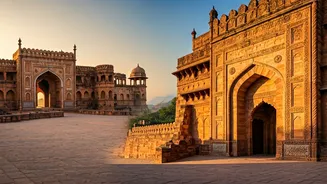
While the trend is widespread, towns like Mandu and Orchha in Madhya Pradesh have become its poster children. Mandu, the ‘City of Joy’, with its stunning Afghan architecture and legendary love stories, offers a romantic, almost poetic, backdrop. Its sprawling ruins are perfect for exploration. Orchha, nestled on the banks of the Betwa River, feels like a perfectly preserved medieval kingdom. Its cenotaphs (chhatris), grand palaces, and vibrant temples offer a condensed and incredibly picturesque historical experience. The accessibility of these towns from major cities, combined with their photogenic qualities, has made them irresistible weekend getaways for young urbanites seeking a blend of adventure and culture.
A Digital Footprint on Ancient Stones
It’s impossible to discuss this trend without acknowledging the role of social media. An Instagram story from Jahaz Mahal or a travel vlog from Orchha's royal palaces does more than just document a trip; it inspires others to follow. Unlike the curated perfection of international destinations, the rustic charm of these Indian towns offers a sense of authenticity that resonates deeply with a generation seeking meaningful experiences. The visual nature of platforms like Instagram has turned these heritage sites into 'discoverable' locations. A well-shot photo of a jali window or a sweeping landscape is often the first touchpoint that sparks curiosity and transforms a passive online scroller into an active traveller.