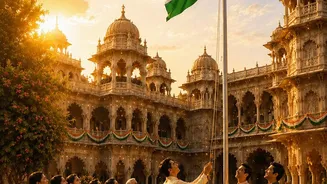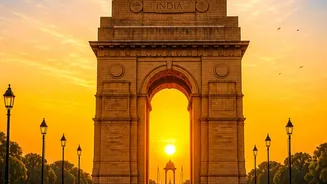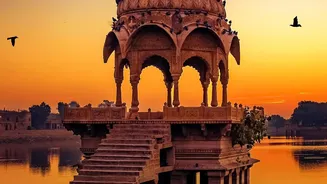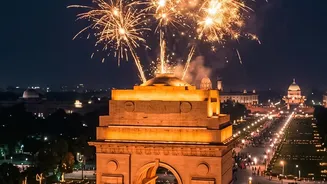




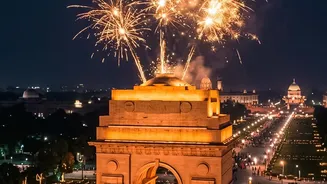
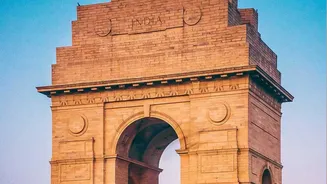
In a major nod to its growing appeal, India has been named the 'Destination of the Year' for 2027 by a leading international travel magazine. This special edition honour isn't just about iconic sites; it reflects a deeper shift in what today's travellers
seek.
A New Era of Indian Travel
The decision to spotlight India for 2027 is a recognition of the country's dynamic evolution as a travel hotspot. The magazine highlights a significant shift away from the traditional, often crowded, tourist circuits. Instead, it celebrates the rise of immersive, conscious, and diverse travel experiences. According to recent travel reports, modern travellers are increasingly prioritising personal growth, authentic cultural connections, and digital detoxing, trends that India is uniquely positioned to meet. This award acknowledges not just the destinations themselves, but also the government's focused investments in tourism infrastructure under programs like Swadesh Darshan and PRASHAD, which have been instrumental in developing new themed circuits and improving facilities at pilgrimage and heritage sites.
Beyond the Golden Triangle
For decades, Indian tourism for many international visitors was defined by the Golden Triangle of Delhi, Agra, and Jaipur. The 2027 special edition makes it clear those days are over. The focus now is on India's incredible diversity and the appeal of its lesser-known regions. The magazine showcases emerging offbeat destinations that offer unique and profound experiences. Think of Gurez Valley in Kashmir, a once-inaccessible paradise now open to trekkers, or Majuli in Assam, the world's largest river island, celebrated for its monastery culture and mask-making traditions. Other highlighted areas include the tranquil Danish colonial town of Tranquebar in Tamil Nadu and Jawai in Rajasthan, where leopards and local communities coexist. This shift encourages slow travel, urging visitors to spend more time in one place to truly absorb its culture.
The Rise of Wellness and Conscious Travel
A key theme underpinning the award is India's emergence as a global hub for wellness and sustainable tourism. With its ancient traditions of Ayurveda, yoga, and meditation, the country offers more than just a vacation; it offers rejuvenation. The magazine features eco-conscious retreats and resorts from the Himalayas to Kerala that blend luxury with sustainability, using practices like solar power, rainwater harvesting, and organic farming. This aligns with a growing global trend where travellers seek to heal both themselves and the planet. Research shows that a majority of Indian travellers themselves prioritise fresh air and nature for relaxation, reinforcing this growing connection between travel, wellbeing, and the environment. Studies also indicate that 'religion, yoga and spirituality' are among the most influential factors for international tourists choosing India.
Upgraded Infrastructure and Connectivity
This recognition would not be possible without the significant, behind-the-scenes upgrades to India's infrastructure. The country's highway network has expanded dramatically, and the number of operational airports has more than doubled since 2014, making once-remote areas far more accessible. The introduction of modern Vande Bharat train services and the expansion of regional air connectivity are also highlighted as game-changers. These improvements in transport are crucial, as they reduce travel time and enhance the overall visitor experience, allowing for smoother journeys to both established hubs and emerging destinations. This focus on better last-mile connectivity and public amenities is helping India support a higher volume of tourists while maintaining quality.
A Feast for the Senses
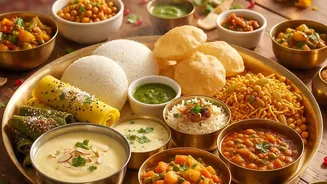
The special edition also celebrates India as a world-class gastronomic destination. It moves beyond the stereotypical curries to explore the vast and varied culinary landscape of the country. From the distinct architectural and culinary styles of Chettinad to the farm-to-table experiences becoming popular at wellness retreats, food is presented as a central part of the Indian travel experience. The focus is on regional specialities and authentic culinary traditions that tell a story about the land and its people. This ties into the broader trend of 'culinary wellness', where travellers explore organic and plant-based cuisines as part of a holistic health experience.