



The Invisible Plastic Problem
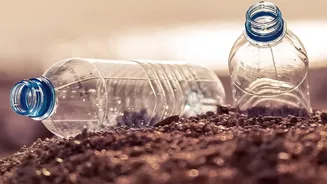
Microplastics are tiny fragments of plastic, less than five millimeters in diameter, that are increasingly being found in our rivers, oceans, and even our drinking water systems. They come from the breakdown of larger plastic items, microbeads in personal
care products, and synthetic fibres from clothing. These particles are so small they easily bypass traditional water treatment methods, posing an unknown but worrying risk to environmental and human health. The search for a way to effectively and affordably remove these contaminants is one of the critical environmental challenges of our time.
A Solution from the Harvest
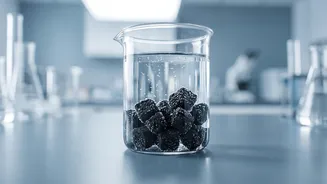
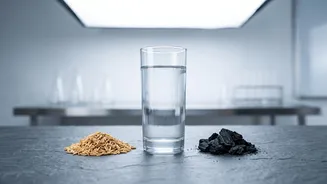
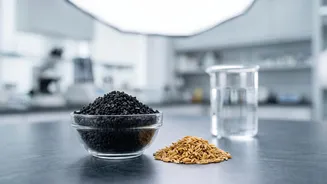
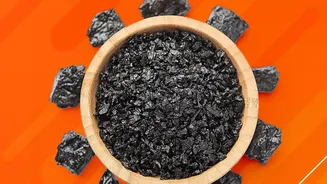
Enter biochar, a special type of charcoal-like substance that is emerging as a hero in this story. Biochar is created by heating biomass—such as wood, manure, or agricultural waste—at high temperatures in an oxygen-limited environment, a process called pyrolysis. What makes this particularly relevant for India is the choice of biomass: rice husks. As one of the world's largest rice producers, India generates millions of tonnes of rice husks as waste. Transforming this abundant, low-value byproduct into a high-value material for water purification is a perfect example of a circular economy in action.
How Does Biochar Filter Water?
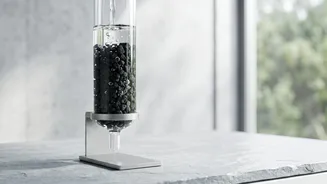
The magic of biochar lies in its incredibly porous structure. Under a microscope, it resembles a rigid sponge with a vast internal surface area. This structure makes it excellent at trapping contaminants. Microplastics are removed through several mechanisms acting at once. Firstly, physical entrapment occurs as water flows through the biochar, and the tiny plastic particles get caught in its complex network of pores. Secondly, chemical interactions like electrostatic attraction and hydrophobic forces cause the microplastics to stick to the biochar's surface, a process known as adsorption. The effectiveness of this process can be very high, with some studies showing that biochar can remove over 90% of microplastics from water.
Affordability and Scalability
Perhaps the most significant advantage of rice husk biochar is its cost-effectiveness. Conventional water filtration methods, like using industrial activated carbon, can be expensive, with costs running as high as $1500 per ton. Biochar, in contrast, can be produced for a fraction of that price, sometimes as low as $250 per ton, because its raw material is essentially free agricultural waste. This dramatic cost difference makes it a viable solution for widespread use, especially in rural or low-income communities that lack access to expensive water treatment infrastructure. The technology to produce biochar is also relatively simple, meaning it can be made locally, reducing transportation costs and creating local enterprise opportunities.
What's Next for Biochar Filters?
Research into biochar is rapidly advancing. Scientists are experimenting with different production temperatures and chemical modifications to enhance its filtering capabilities for various types of pollutants, from microplastics to heavy metals and pesticides. While laboratory results are extremely promising, the next step is to scale up this technology. This involves developing standardized filter designs for household and community use, conducting long-term field studies to test durability, and establishing supply chains for producing and distributing the biochar. Several Indian and international research bodies are already working on pilot projects to bring this green technology from the lab to the people.