







The Monsoon's Last-Mile Mayhem
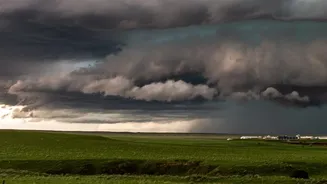
Heavy monsoon showers transform the daily commute into a formidable obstacle course. While long-range forecasts for August 2026 suggest varied rainfall across the country, specific regions are bracing for intense downpours. These wet spells lead to familiar
problems: waterlogged streets, snarled traffic, and a sudden scarcity of transport options. The last mile—that crucial journey from a major transport hub like a metro station or bus stop to your final destination—becomes particularly chaotic. Auto-rickshaws become scarce, drivers may refuse fares to flooded areas, and app-based cabs often show long wait times or surge pricing. This annual disruption not only causes delays but also raises significant safety concerns, from navigating submerged potholes to the risk of vehicle breakdowns in inundated areas.
App-Based Cabs: Convenience vs. Cost
For many, the first instinct is to open a ride-hailing app. Services from platforms like Uber and Ola offer the promise of a 'verified' ride with features like GPS tracking, digital payments, and the ability to share trip details with family. In theory, they are a perfect solution. However, the monsoon exposes their limitations. During a downpour, demand skyrockets, often leading to surge pricing that can multiply the fare substantially. Driver cancellations are also more frequent, as some are hesitant to risk vehicle damage in waterlogged zones. In response, some companies are introducing special incentives or 'rain fees' to keep drivers on the road and are being pushed by new regulations to ensure a replacement vehicle if a breakdown occurs mid-trip. While these platforms provide a layer of accountability, their reliability during peak monsoon downpours can be a gamble.
Traditional Autos: A Risky Reliance
Auto-rickshaws are the backbone of last-mile connectivity in most Indian cities. Their sheer numbers mean they are often the most accessible option. But in heavy rain, their availability dwindles and reliability drops. Fare refusal becomes common, and haggling over prices in the pouring rain is an added stressor. Beyond the frustration, there are safety risks to consider. Many autos are not adequately protected from the elements, and their lower clearance makes them vulnerable to stalling in waterlogged streets. Commuters often find themselves stranded when an auto breaks down or the driver decides a route is impassable. While they remain an essential part of the transport ecosystem, relying solely on them during a heavy shower requires patience and a bit of luck.
Your Monsoon Commuting Checklist
Preparation is the key to navigating the monsoon with less stress. Before you even step out, a few simple checks can make a world of difference. First, check the weather forecast and traffic updates on a reliable app. If heavy rain is predicted, give yourself extra travel time. Ensure your phone is fully charged and consider carrying a power bank, as delays are common. Have multiple payment options ready—keep some cash handy in case digital payments or card machines fail, but also have your UPI apps ready. Finally, protect your electronics and important documents in waterproof bags or pouches. A small, well-packed bag can be your best defense against the monsoon's unpredictability.
Putting Safety First on the Move
Once you're on your way, prioritising safety is crucial. If you are walking, wear footwear with good grip to avoid slipping on wet surfaces and be extremely cautious of open drains or potholes hidden by murky water. When getting into a cab or auto, maintain a safe distance from other vehicles, as wet roads increase braking distances. If visibility is poor, ensure the vehicle's headlights are on. One of the most important safety features of modern transport is the ability to share your location. Whether you're in a pre-booked cab or an auto, share your live location or ride details with a friend or family member. This simple step adds a vital layer of security to your journey, ensuring someone knows your route and expected arrival time.