



The Science of a Great Pickle
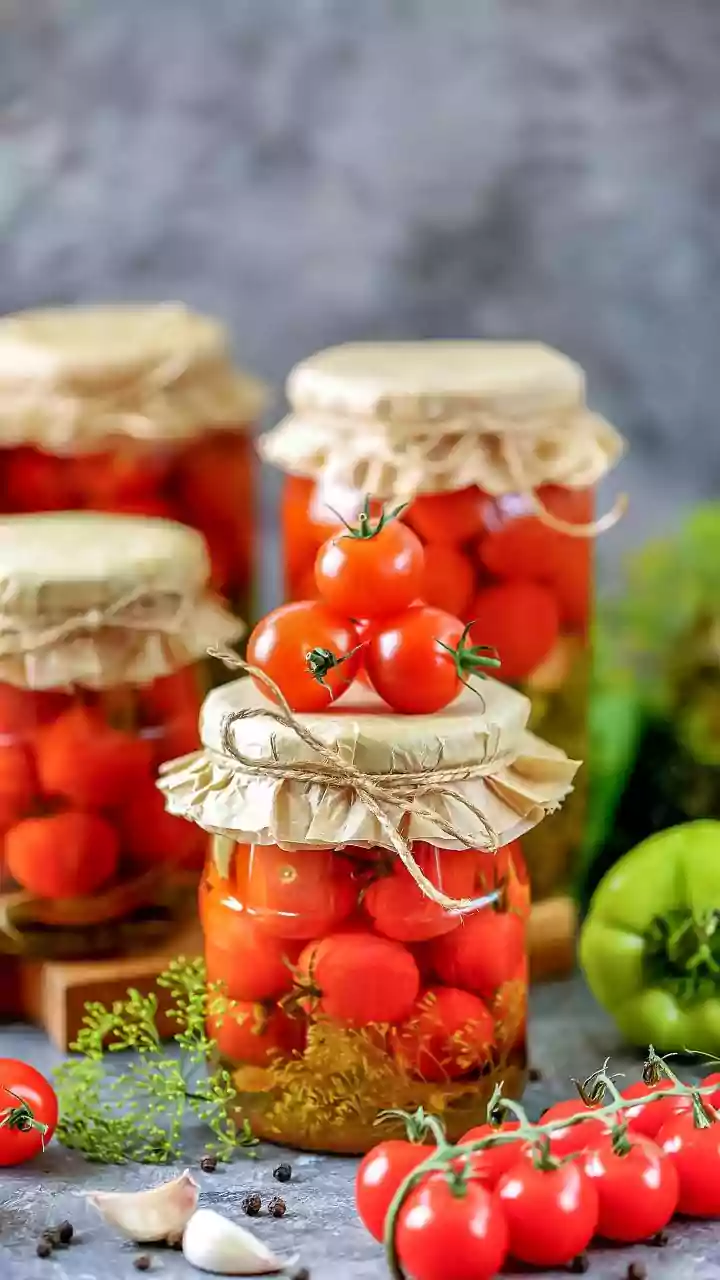
Salt is the unsung hero in your pickle jar, performing several critical jobs that are essential for preservation, texture, and flavour. In traditional pickling, which relies on fermentation, salt is the master controller of the entire process. It’s not
just about taste; it’s about creating an environment where good bacteria can thrive and bad bacteria cannot. Understanding salt's multiple functions is the key to moving from a home cook to a confident pickling pro, ensuring every batch is safe, crunchy, and delicious. Without the right amount of salt, the process can fail, leading to spoilage.
Drawing Out Water for a Superior Crunch
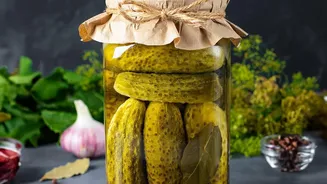
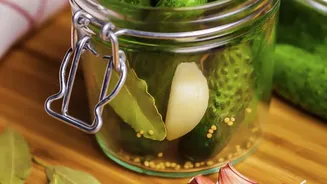
The first and most visible role of salt is drawing moisture out of vegetables. This process, known as osmosis, is fundamental to creating a crisp pickle. Vegetables like cucumbers are full of water. When submerged in a salty brine, the water inside the vegetable's cells is pulled out into the more concentrated solution. This action firms up the cell walls, preventing the vegetable from becoming mushy and resulting in that satisfying crunch everyone loves in a good pickle. This initial dehydration is a crucial first step in transforming a fresh vegetable into a preserved delicacy.
The Guardian of Good Bacteria
In fermented pickles, salt acts as a bouncer at an exclusive club. It creates an environment that inhibits the growth of spoilage-causing microbes but allows beneficial bacteria, primarily from the Lactobacillus family, to flourish. These 'good' bacteria are naturally present on the surface of vegetables. The salt gives them a competitive advantage, allowing them to consume the natural sugars in the vegetables and convert them into lactic acid. This lactic acid is a natural preservative, lowering the pH of the brine and making the environment too acidic for harmful bacteria to survive. This is what gives fermented pickles their characteristic tangy flavour.
Finding the Perfect Salt Balance
The concentration of salt is critical. Too little, and you risk spoilage as harmful bacteria take over. Too much, and you can inhibit the growth of the beneficial lactic acid bacteria, stalling fermentation entirely. Most pickling recipes call for a salt concentration between 2% and 5% of the total weight of the vegetables and water. This 'sweet spot' is enough to keep spoilage at bay while allowing the good bacteria to do their work. It's also important to use the right kind of salt. Non-iodized salts like pickling salt or kosher salt are preferred, as the additives in regular table salt can make the brine cloudy and interfere with fermentation.
More Than Just a Preservative
While preservation and texture are key, salt also plays a vital role in flavour. Beyond its own salty taste, it works to amplify the natural flavours of the vegetables and spices in the brine. During fermentation, the activity of the beneficial bacteria releases complex flavour compounds, contributing to the deep, umami-rich taste of a well-made pickle. Salt helps to balance the overall flavour profile, ensuring the final product is not just sour but deeply flavourful and complex. It's the ingredient that ties everything together, transforming simple vegetables into a culinary treat.