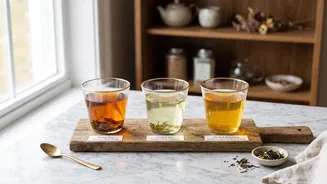

The First Rule of Pairing
When selecting snacks for a tea tasting, the guiding principle is simple: match intensity. The goal is to enhance the tea's natural flavour profile, not mask it. Delicate teas require delicate foods, while more robust brews can handle slightly bolder
accompaniments. Think of the food as a supporting actor, allowing the tea to be the star. Heavy, greasy, overly spicy, or intensely sugary foods can overwhelm the palate, making it difficult to appreciate the subtle notes in a high-quality tea. The focus should always be on creating harmony between the food and the drink.
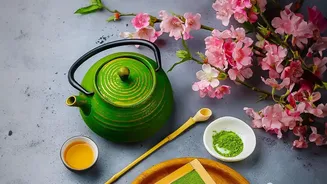
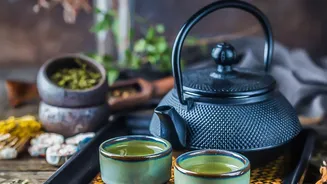
For Delicate White and Green Teas
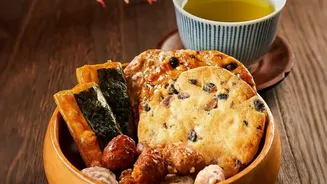
White and green teas are known for their subtle, fresh, and often floral or grassy notes. To preserve their delicate character, your food pairings should be equally light and clean. Steer clear of anything that will overpower them. Simple, unsalted rice crackers or plain water biscuits are excellent choices as they provide a neutral crunch. Fresh, light fruits like melon, pears, and mild berries work beautifully. For a savoury touch, consider cucumber finger sandwiches with the crusts removed, lightly steamed vegetable dumplings, or fresh cheese like goat cheese or brie. Even a light vanilla sponge cake or a buttery madeleine can be a perfect sweet companion.
Pairings for Floral Oolong Teas
Oolong teas occupy a fascinating space between green and black teas, with a wide range of flavours from light and floral to dark and roasted. For lighter, greener oolongs, stick to pairings similar to those for green tea. They are beautiful with seafood like scallops or lobster, and their floral notes are complemented by fresh fruits such as peaches and mangoes. Mild cheeses like a gentle cheddar or Gouda also pair well. For a classic treat, buttery and flaky pastries like croissants or simple scones work wonderfully, balancing the tea's fragrant aroma without being too heavy.
What to Serve with Robust Black Teas
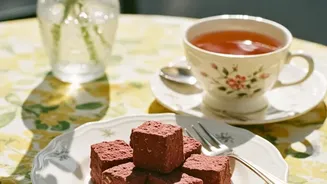
Black teas, with their bold, malty, and sometimes astringent profiles, can stand up to richer flavours. This is where classic afternoon tea fare truly shines. Hearty snacks like scones with jam and cream are a quintessential choice. On the savoury side, small sandwiches with fillings like smoked salmon, egg salad, or even roast beef are appropriate. Richer pastries and desserts, including carrot cake or even dark chocolate, can complement the deep notes of a strong black tea. For a simpler option, classic shortbread or oatmeal cookies bring out the malty sweetness in the tea.
The Role of Neutral Palate Cleansers
In any tasting, it is important to offer snacks that can cleanse the palate between different teas. These should be very simple and neutral. Unsalted nuts, like plain almonds or cashews, are a great option as their texture and mild flavour reset the taste buds. Plain, dry crackers or simple breadsticks serve a similar purpose. Having a platter of these neutral snacks available allows your guests to fully appreciate the unique characteristics of each new tea they sample, without the lingering flavours from the previous one.
Foods to Generally Avoid
While pairing is an art, there are some items that are almost always a bad match for a tea tasting. Very spicy foods, such as anything with a lot of chili, will numb the taste buds to the subtleties of the tea. Heavily fried or greasy foods can coat the mouth, making it difficult to taste anything else. Exceptionally strong cheeses, garlic-heavy dishes, and overly sweet, frosted cakes tend to dominate the palate. The goal is a balanced experience, so it's best to save these powerful flavours for another occasion and let the elegance of the tea lead the way.