





The Invisible Contaminant in Your Glass
Microplastics are tiny fragments of plastic, typically smaller than five millimetres. They come from countless sources, including the breakdown of larger plastic waste, fibres shedding from synthetic clothing, and microbeads in cosmetics. These particles
have infiltrated nearly every corner of the globe, from the deepest oceans to the rain that falls from the sky. Unsurprisingly, they have also found their way into our drinking water systems, both bottled and tap. While the World Health Organization currently suggests the risk to human health at current levels appears low, concerns remain about the long-term effects. Many plastics contain chemical additives like BPA and phthalates, which can disrupt hormones, and the particles themselves can act like sponges, absorbing other toxins like heavy metals and pesticides from the environment. When we ingest these particles, those toxins can come along for the ride.
From Farm Waste to Water Purifier
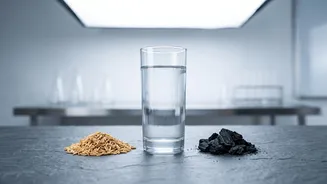
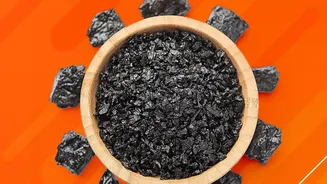
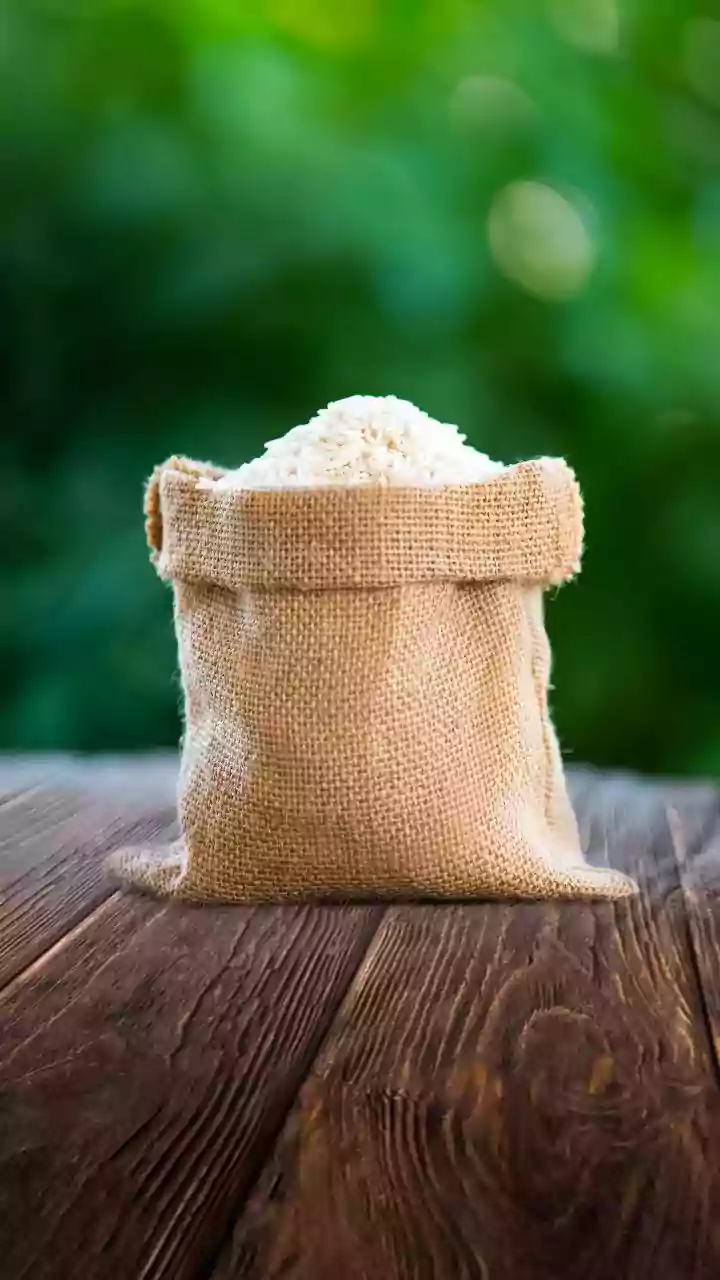
The solution to this modern pollution problem may come from one of the world's oldest and most vital crops: rice. India is a massive producer of rice, which leaves behind an enormous amount of agricultural waste in the form of rice husks. Often, this waste is burned or discarded. However, by heating these husks in a low-oxygen environment—a process called pyrolysis—they can be transformed into a black, carbon-rich substance called biochar. Biochar is incredibly porous and has a massive surface area relative to its size. While traditionally used to improve soil quality, researchers have discovered these same properties make it an excellent material for filtration. It provides a sustainable and low-cost alternative to other filtration materials like activated carbon, turning a widespread waste product into a valuable tool for environmental protection.
The Science of Trapping Plastics
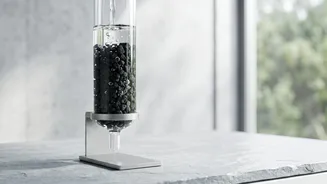
So, how does a filter made of burnt rice husks actually catch something as small as a microplastic? The magic lies in its complex structure and surface chemistry. The pyrolysis process creates a honeycomb-like internal structure within the biochar, full of pores and channels of various sizes. As water flows through the biochar filter, microplastic particles are physically trapped and entangled in this intricate network. But it’s not just a simple sieve. The surface of the biochar also has specific chemical properties that attract plastic particles. Mechanisms like electrostatic interactions, where the charged surface of the biochar attracts the plastics, and other forces like hydrogen bonding and hydrophobic interactions (where water-repelling substances stick together) cause the microplastics to latch onto the biochar surface, effectively pulling them out of the water. Research has shown biochar filters to be highly effective, in some cases removing over 95% of microplastic particles from water.
The Promise for India's Water Supply
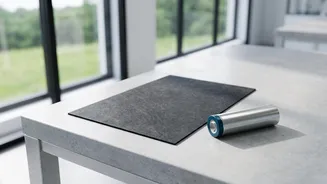
The potential for this technology in India is significant. Using a readily available agricultural byproduct like rice husks makes biochar a cost-effective and sustainable solution. It avoids the need for expensive, imported filtration materials and simultaneously addresses the issue of agricultural waste management. Research has demonstrated that biochar made from rice husks is highly effective, sometimes outperforming other types of biomass. However, the technology is still in a relatively early stage of application for microplastic removal. Most studies are conducted in laboratory settings, and challenges remain in standardizing production to ensure consistent quality and performance. Scaling up these systems for use in municipal water treatment plants or even as point-of-use filters in homes will require further development. Nonetheless, the initial results are incredibly promising, pointing toward a future where a simple, natural material can help ensure our drinking water is safer and cleaner.