




The Monsoon Month of Healing
Every year, from mid-July to mid-August, Kerala observes Karkidakam, the final month of the Malayalam calendar. This period coincides with the peak of the monsoon, a time that Ayurvedic wisdom regards as challenging for the body. According to Ayurveda,
the damp, cool weather weakens our digestive fire, or 'agni', and aggravates the 'Vata' dosha, making us more susceptible to ailments like joint pain, indigestion, and lowered immunity. This is precisely why Karkidakam is also seen as the most opportune time for rejuvenation and detoxification, a practice known as 'Karkidaka Chikitsa'. The body's pores are believed to be more open and receptive to healing, making it the perfect season for restorative therapies and, most importantly, nourishing food.
A Pharmacy in a Porridge Pot
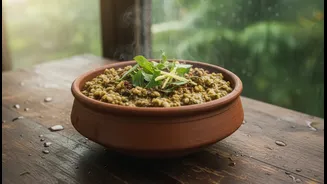
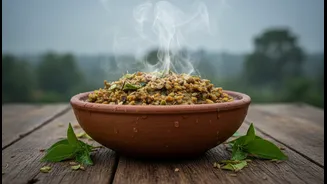
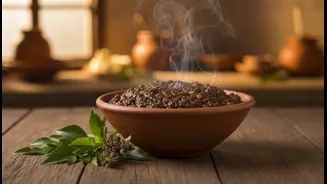
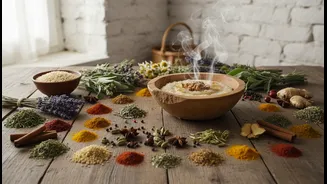
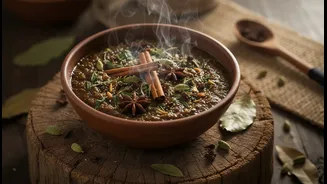
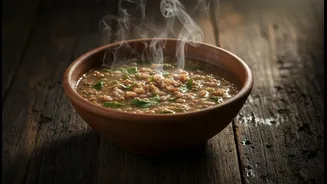
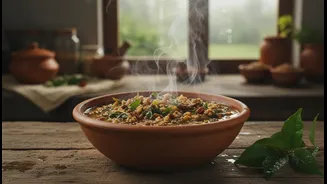
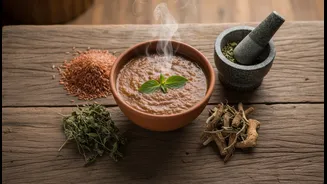
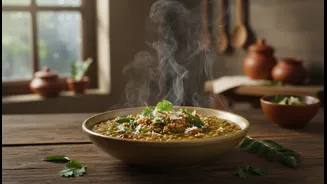
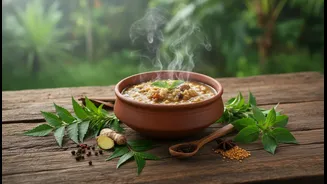
At the heart of this seasonal wellness regimen is Karkidaka Kanji, also called Oushadha Kanji, which translates to 'medicinal porridge'. This is far more than a simple gruel; it is a meticulously formulated dish where food truly becomes medicine. The base is often Njavara rice, a special medicinal variety from Kerala known for being easy to digest and highly nourishing. To this, a host of herbs and spices are added, each with a specific purpose. Key ingredients like dry ginger and cumin are included to rekindle digestive fire. Fenugreek helps reduce inflammation, while herbal combinations like Dashamoola (a blend of ten potent roots) work to boost immunity and pacify the aggravated Vata dosha. The result is a warm, comforting meal that detoxifies the system, strengthens the body's defenses, and provides easily absorbable nutrition.
Ancient Wisdom for Modern Kitchens
The practice of eating Karkidaka Kanji embodies a profound 'pantry wisdom'—the intuitive knowledge of using everyday ingredients for wellness. While traditionally consumed for a period of 7, 14, or 21 days during the month, the principles behind it are timeless. Today, this tradition is experiencing a revival. What was once prepared by grandmothers who foraged for herbs in their backyards is now accessible to a new generation. Busy home cooks can find pre-packaged 'kanji kits' containing the essential dried herbs and rice, making it easier than ever to embrace this seasonal practice. Restaurants and wellness centres also feature it on their menus, introducing the benefits of this Ayurvedic porridge to a wider audience and affirming its relevance in our modern quest for health.
India's Broader Monsoon Palate
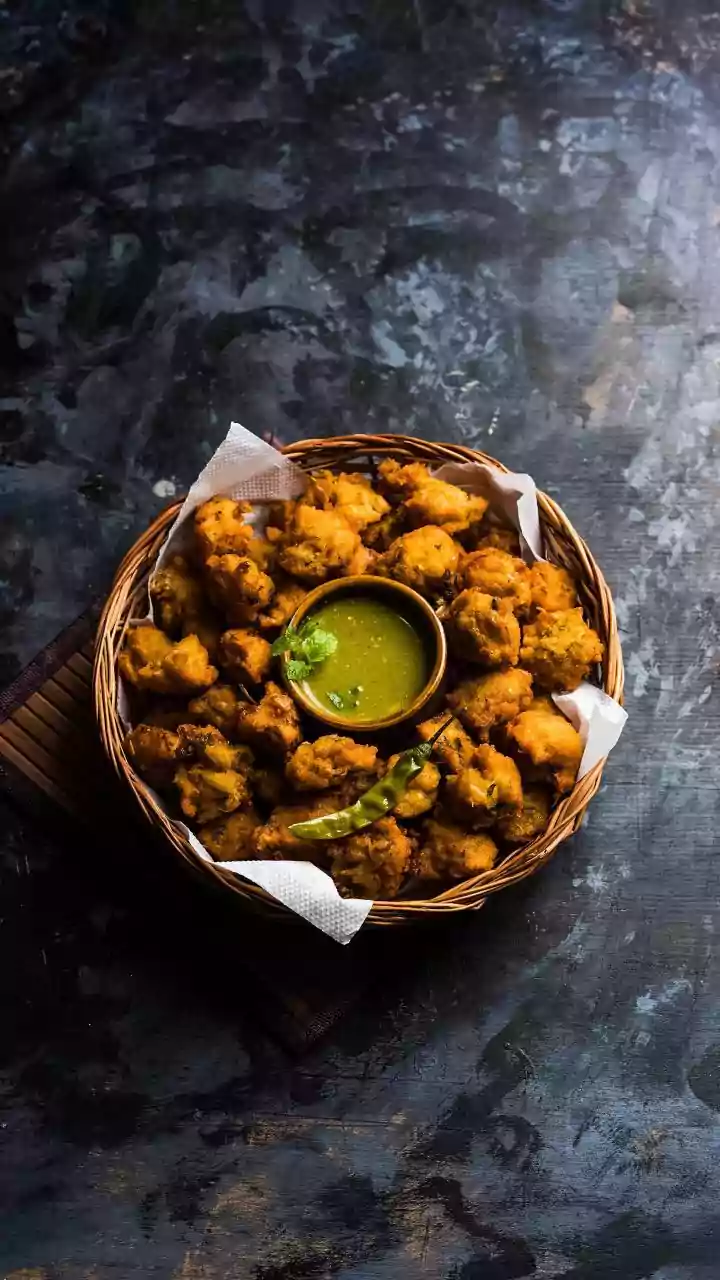
While Karkidaka Kanji is specific to Kerala, the idea of eating specific foods during the monsoon is a pan-India phenomenon. In Maharashtra, the rainy season is incomplete without hot Kanda Bhaji (onion fritters) and Batata Vada. Kolkata finds comfort in a soulful bowl of Khichuri, a lentil and rice dish, often served with fried fish or eggplant. Across North India, the craving for chai and pakoras becomes a daily ritual, while street vendors selling roasted corn on the cob (bhutta) are a common sight everywhere. Though different in form, these regional specialities share a common thread: they are warm, comforting, often feature digestive spices, and provide a sense of well-being during the damp, grey days of the monsoon.