






The New Monsoon Ritual
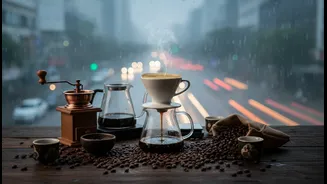
The classic pairing of monsoon rain has long been a cup of masala chai and a plate of hot pakoras. While that tradition remains cherished, a more modern ritual is gaining ground among urban millennials and Gen Z. The scene is familiar: a cozy cafe, the
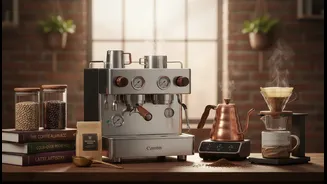
rhythmic drumming of rain, and a meticulously prepared cup of coffee. But this isn't the instant coffee of yesteryear. We're talking about single-origin, small-batch roasted coffee, which has transformed from a niche product into a mainstream lifestyle choice. The entire experience, from the knowledgeable barista to the distinct flavour notes, has become a shareable, aesthetic moment that perfectly complements the moody, introspective vibe of a rainy day.
What is 'Single-Origin' Anyway?
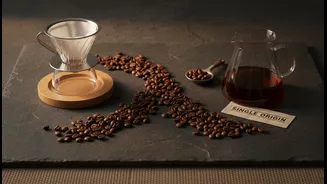
In simple terms, single-origin coffee comes from a single, specific place—one farm, one estate, or a distinct region. Unlike blends, which are mixed to create a consistent, balanced flavour, single-origin beans are all about showcasing the unique character of their 'terroir'. Think of it like wine; the soil, altitude, climate, and even the surrounding plants of a specific estate in, say, Chikmagalur or the Araku Valley, will impart a flavour story that is impossible to replicate elsewhere. You’re not just tasting coffee; you're tasting a place. This focus on traceability and a unique story in every cup is a huge part of its growing appeal.
An Earthy, Sensory Connection
The link between single-origin coffee and the monsoon is deeply sensory. Many Indian coffees, particularly those grown in regions like Coorg and the Western Ghats, are noted for their earthy, spicy, and chocolatey flavour profiles. These notes of pepper, cardamom, and nuts resonate perfectly with the season's atmosphere. The smell of damp earth after the first rain, known as petrichor, finds an olfactory companion in a cup of full-bodied, shade-grown coffee. There is even a specific type of Indian coffee called 'Monsooned Malabar', where beans are historically exposed to moisture-laden monsoon winds, altering their character to become low in acidity with a heavy, woody body. It’s a literal taste of the season.
The Artisan Roaster as Storyteller
This trend wouldn't exist without the rise of local, specialised coffee roasters in cities like Mumbai, Bengaluru, and Delhi. Brands like Blue Tokai, Third Wave Coffee, and Subko have done more than just sell coffee; they have educated a generation of consumers. They have made the journey from farm to cup transparent, highlighting the growers and experimenting with innovative processing methods. These roasters and their cafes act as community hubs, becoming 'third places' where people can work, socialise, and learn. The barista is no longer just a server but a guide, explaining the nuances between a honey-processed Ratnagiri estate bean and a fruit-fermented offering from another.
A Taste of the 'Slow Living' Movement
Beyond flavour, the single-origin phenomenon taps directly into the growing 'slow living' movement in India. In a culture of rush and digital fatigue, the ritual of preparing a pour-over or French press coffee is a deliberate act of slowing down. It’s about intentionality—choosing a specific bean, grinding it fresh, and savouring the process and the result. This shift is away from mass-produced convenience and towards mindful consumption, quality, and appreciating craftsmanship. For many, it's an affordable luxury, a small way to reclaim a moment of peace and presence in a hectic urban life, a philosophy that feels especially right when the world outside is on pause during a downpour.