





A Familiar Heartbreak for Dog Lovers
Anyone who has ever loved a large dog knows the unspoken pact: the bigger the dog, the shorter the time you have together. This isn't just an anecdotal observation; it's a well-documented biological phenomenon. Across the vast spectrum of canine breeds,
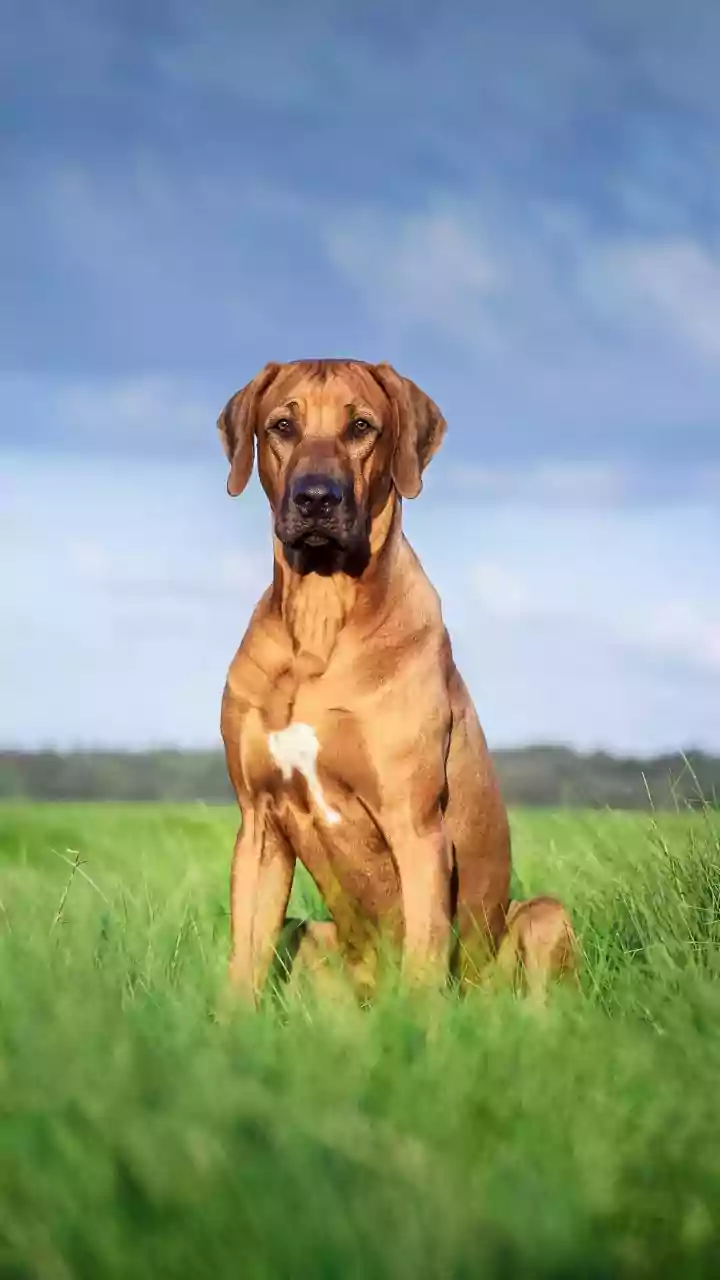
from the tiniest terrier to the most massive mastiff, a clear pattern emerges: smaller dogs frequently live twice as long as their larger counterparts. This size-lifespan trade-off is a strange inversion of the rule seen elsewhere in the animal kingdom, where larger species like elephants and whales typically outlive smaller ones like mice. For dog owners, it's a painful reality that raises an urgent question: why must their gentle giants have such compressed lives?
The Clues Hidden in DNA
For years, scientists have suspected the answer lies somewhere in the rapid growth of large breeds. After all, a Great Dane goes from a small pup to a full-sized adult in just over a year, a staggering rate of development. But how does this growth translate to a shorter life? To find out, researchers are now looking beyond the basic genetic code and into the world of epigenetics. Think of epigenetics as the software that runs on the hardware of DNA. It involves chemical tags and markers that attach to DNA and tell genes when to turn on or off. These patterns change over our lives in response to age and environment, and recent studies, like those from the Dog Aging Project, are using them to measure 'biological age'.
An Accelerated 'Epigenetic Clock'
A groundbreaking study recently analysed the DNA of nearly 900 dogs of various breeds and sizes to track these epigenetic changes. The findings were striking: the epigenetic clock in large dogs ticks much faster. Scientists found that the DNA of giant breeds showed signs of aging that were, on average, more advanced for every year of their chronological life compared to small breeds. This accelerated aging wasn't random; it was concentrated in specific areas of the genome. Researchers noted a significant loss of special chemical tags, a process called methylation, in regions known as 'jumping genes' or transposable elements. These tags normally keep the jumping genes locked down, but as they are lost, the genes can become more active, potentially leading to DNA damage, genomic instability, and the kinds of cellular chaos associated with aging.
The High Price of Rapid Growth
The study suggests that large dogs pay a heavy molecular price for their impressive size and rapid growth. The accelerated loss of these protective DNA tags, especially around 'jumping genes' called LINE1s, is a clear signature of their faster aging process. In fact, research found that big dogs lose these crucial LINE1 methylation tags about 35% faster per year than small dogs do. This molecular decline likely contributes to the earlier onset of age-related diseases that are tragically common in large breeds, such as cancer and orthopedic issues. Their bodies are essentially aging at an accelerated rate from the inside out. The very biological processes that enable their majestic size may also be what hastens their decline, creating an inescapable trade-off between growth and longevity.
What This Means for Your Big Dog
While this research doesn't offer a magic bullet to extend your dog's life, it provides invaluable understanding. Knowing that large breeds are on a faster aging trajectory reinforces the need for proactive and specialised care. This science underscores the importance of a high-quality diet formulated for large breeds, careful weight management to reduce stress on joints, and regular veterinary check-ups to screen for age-related conditions earlier than you might for a smaller dog. This knowledge empowers owners to be vigilant advocates for their pet's health. It transforms our understanding from a simple, sad fact—'big dogs live shorter lives'—to a more nuanced and actionable insight: their accelerated aging process requires more attentive care throughout their lives to ensure their years are as healthy and happy as possible.