

Beerakaya Thokku Pachadi (Ridge Gourd Peel Chutney)
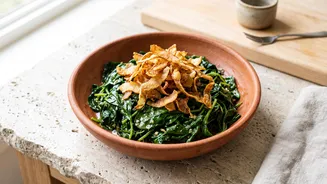
In Andhra Pradesh and Telangana, the tough, ridged peel of the humble ridge gourd is never wasted. Instead, it's turned into a fiery and tangy chutney known as Beerakaya Thokku Pachadi. The peels are sautéed until tender with chillies, garlic, and spices,
then ground with tamarind to create a coarse, rustic condiment that explodes with flavour. It’s a perfect example of how a tough, fibrous peel, often considered inedible, can become a celebrated side dish, typically enjoyed with hot rice and a spoonful of ghee.
Vazhaithandu Poriyal (Banana Stem Stir-fry)
The core of the banana plant's trunk, or pseudostem, might look like a throwaway part, but in South India, it’s a prized vegetable. Vazhaithandu Poriyal is a classic Tamil dish where the fibrous inner stem is finely chopped, soaked in buttermilk to prevent browning, and then stir-fried. Often cooked with lentils, coconut, and a simple tempering of mustard seeds and curry leaves, the result is a crunchy, refreshing, and incredibly nutritious side dish. The process of carefully removing the outer layers to get to the tender core is a lesson in patience and resourcefulness.
Kumro Phool Bhaja (Pumpkin Flower Fritters)
In Bengal, even the delicate, bright yellow flowers of the pumpkin vine are turned into a delicacy. Kumro Phool Bhaja are crispy fritters made by dipping whole pumpkin blossoms into a spiced batter of gram flour (besan) and rice flour, and then deep-frying them until golden. These fritters are light, airy, and have a subtly sweet flavour that’s incredibly addictive. They must be cooked the day they bloom before the petals wilt, making them a true seasonal treat and a beautiful way to honour an ephemeral ingredient.
Kathal Bichi Sabzi (Jackfruit Seed Curry)
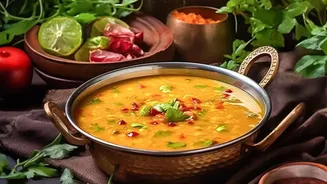
After enjoying sweet, ripe jackfruit, many people discard the large seeds inside. However, in many parts of India, these seeds are saved to make a hearty and delicious curry. The seeds have a texture similar to chestnuts or potatoes when cooked. To prepare them, the hard outer shell is removed, and the seeds are boiled until tender. They are then cooked in a flavourful gravy with onions, tomatoes, and spices, creating a comforting and protein-rich dish that stands on its own.
Alur Khosha Bhaja (Potato Peel Fry)
This Bengali dish proves that even the most commonly discarded kitchen scrap can be a star. Alur Khosha Bhaja is a simple stir-fry made from potato peels. The peels are washed, finely sliced, and then fried in mustard oil with nigella seeds (kalonji), green chillies, and sometimes poppy seeds until crisp and flavourful. It’s a crunchy, savoury side dish that pairs perfectly with dal and rice. This recipe is a testament to the no-waste philosophy ingrained in Bengali cooking, transforming potato skins into an irresistible snack.
Pathrode (Colocasia Leaf Rolls)
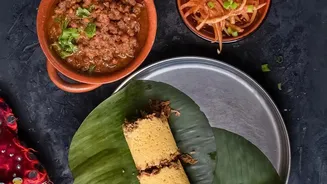
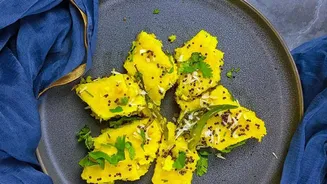
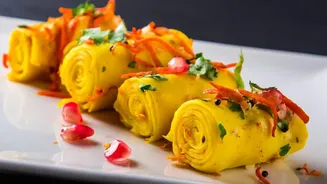
A monsoon specialty from the coastal regions of Karnataka, Pathrode uses the large, earthy leaves of the colocasia (or taro) plant. A spicy, tangy paste made from ground rice, coconut, jaggery, and tamarind is spread over the leaves, which are then stacked, rolled into tight logs, and steamed. The steamed rolls are sliced into pinwheels and can be eaten as is or pan-fried for extra crispiness. This dish expertly balances the unique flavour of the leaves with a complex masala, turning a simple green into an elaborate delicacy.
Moringa Keerai Poriyal (Drumstick Leaf Stir-fry)
While drumsticks (moringa pods) are a staple in sambar, their tiny leaves are often overlooked despite being a nutritional powerhouse. In Kerala and Tamil Nadu, these leaves are used to make a simple yet flavourful stir-fry, known as Muringayila Thoran or Murungai Keerai Poriyal. The leaves are quickly sautéed with shallots, garlic, and a generous amount of grated coconut. The dish highlights the slightly bitter, earthy taste of the leaves, celebrating an ingredient that grows abundantly but is frequently underutilised.
Tarbuj ke Chilke ki Sabzi (Watermelon Rind Curry)
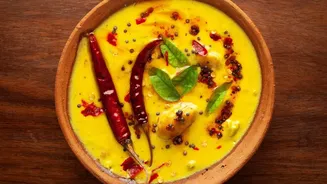
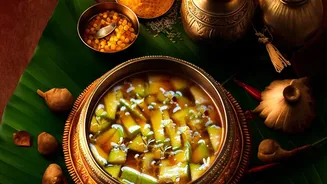
Don't throw away that watermelon rind! In states like Rajasthan and Gujarat, the white part of the rind, just beneath the tough green skin, is used to make a surprising and delicious curry. The rind is peeled, chopped into cubes, and cooked much like a vegetable. It has a crisp texture that softens upon cooking, absorbing the flavours of spices like cumin, turmeric, and dried mango powder (amchur). The result is a slightly sweet, slightly tangy curry that showcases incredible culinary creativity.