



The Allure of an Open Approach
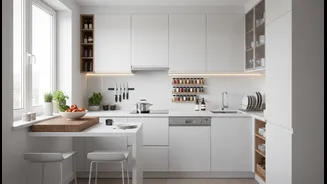
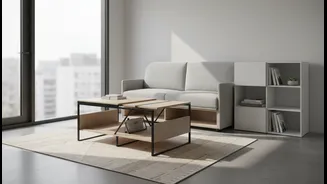
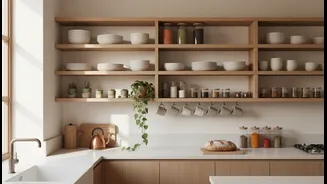
The primary appeal of open storage is its light, airy aesthetic. Unlike bulky upper cabinets that can make a kitchen feel cramped, open shelves visually expand a room, making it feel larger and more inviting. This is especially effective in smaller spaces
where traditional cabinetry might feel overwhelming. Beyond aesthetics, there's a significant functional advantage: accessibility. With open shelving, everyday items like plates, glasses, and go-to ingredients are always visible and within easy reach, streamlining daily routines like cooking and setting the table. This grab-and-go convenience eliminates rummaging through dark cupboards to find what you need.
A Personalised Display
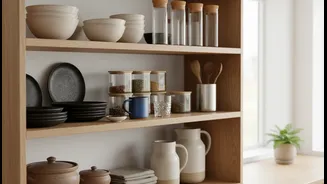
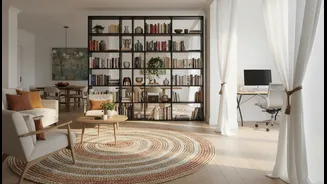
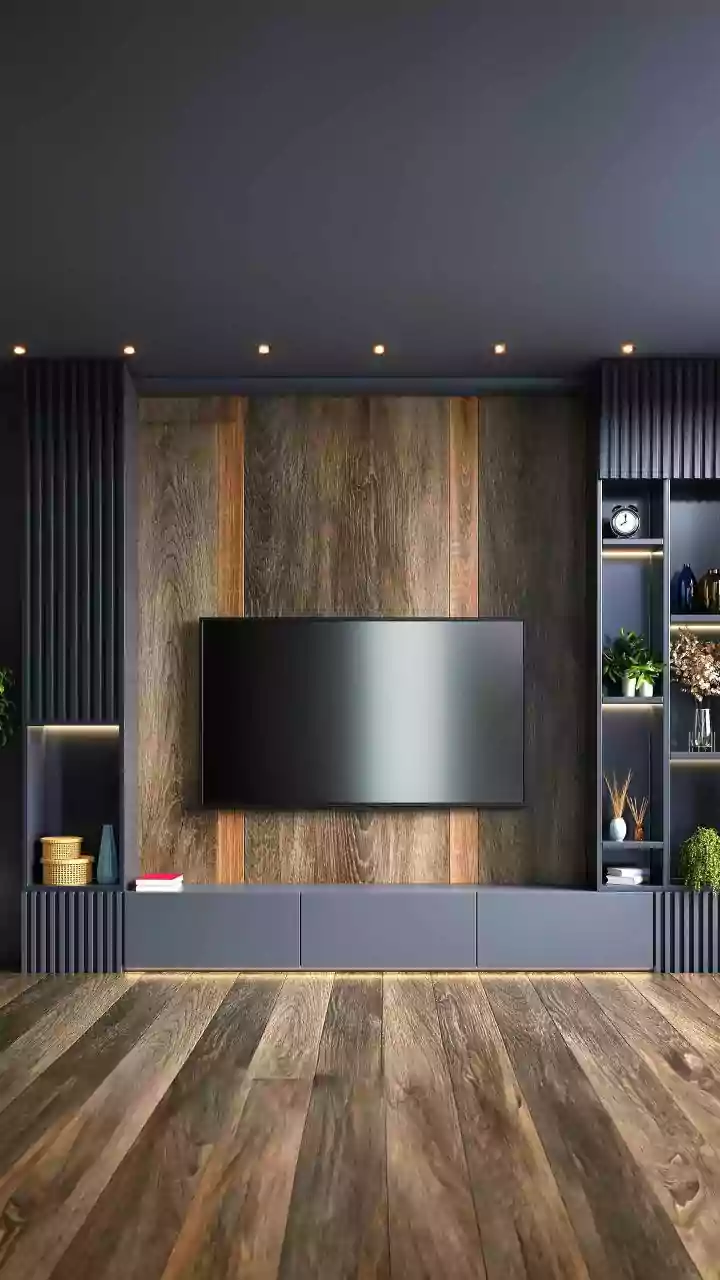
Open shelves transform storage from a purely utilitarian function into an opportunity for personal expression. They act as a canvas to showcase your personality. You can display treasured dishware, a collection of unique mugs, colourful cookbooks, or small pieces of art. This curated approach adds character and warmth, turning a functional area like a kitchen or living room into a space that feels uniquely yours. It forces a degree of mindfulness about your possessions, encouraging you to keep and display items you truly love.
Making Open Shelves Work for You
The key to successful open shelving is curation, not chaos. To avoid a cluttered look, start with a consistent colour palette for your displayed items. Grouping items in threes and varying their height and shape creates visual interest without looking messy. Using attractive baskets and bins is a great trick for corralling smaller, less uniform items. Most importantly, leave some empty space; this “breathing room” is crucial for a clean, intentional look. Remember that these shelves are on display, which means they will require more frequent dusting to keep them looking fresh. Items are also more exposed to kitchen grease, so strategic placement away from the stovetop is wise.
The Enduring Case for Closed Cabinets
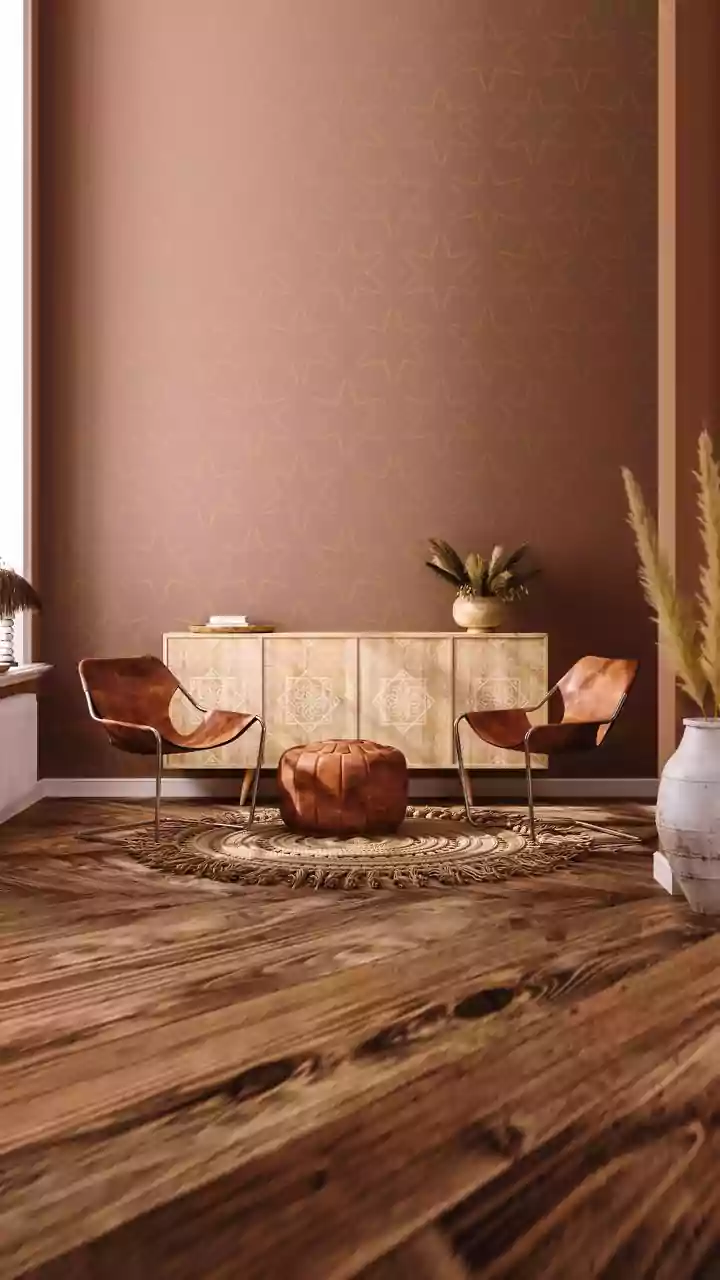
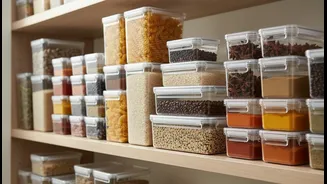
Despite the benefits of open storage, it’s not a one-size-fits-all solution. Closed cabinets remain essential for a reason: they hide the necessary but less attractive aspects of a household. Not everything you own is display-worthy, and cabinets are perfect for stashing mismatched food containers, bulky small appliances, cleaning supplies, and pantry overflow. They protect items from dust and grease, reducing your cleaning workload, and provide a sense of calm by creating a clean, uniform facade. For those who prefer a low-maintenance approach to organisation or simply don't want their items on constant display, closed cabinets are the undisputed champion.
Finding Your Perfect Balance
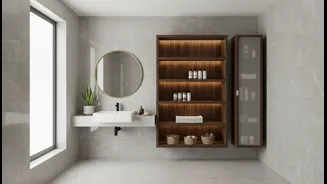
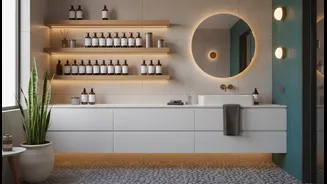
Ultimately, the debate isn't about choosing one over the other. The most effective and personalised storage solutions often involve a thoughtful mix of both open and closed systems. Many designers now advocate for a hybrid approach. You could use open shelves in a specific zone—like above a coffee station or to flank a window—for daily-use items and decorative pieces. The rest of the kitchen can rely on closed cabinets for the heavy lifting of practical storage. This gives you the airy, personalised feel of open shelves while retaining the clutter-concealing power of traditional cabinetry, creating a space that is both beautiful and perfectly functional for your lifestyle.