



Why Does Sitting Make Us So Tired?
Prolonged sitting, a hallmark of modern office life, is surprisingly taxing on the body. When we stay in one position for hours, our muscles tighten, particularly in the neck, shoulders, and hips. This static posture restricts blood flow, which means
less oxygen and fewer nutrients reach our muscles and, crucially, our brain. This reduction in circulation is a primary driver of that sluggish, drained feeling. Furthermore, the constant, low-level strain of holding a seated posture, often hunched over a keyboard, forces muscles to work inefficiently, leading to physical and mental exhaustion. The good news is that breaking this cycle doesn't require a full gym session. Just a few minutes of targeted stretching can dramatically reverse these effects.
1. The Seated Spinal Twist
This gentle twist awakens the spine and can help counteract hours of slouching. Sit upright at the edge of your chair with your feet flat on the floor. Keeping your hips facing forward, gently twist your upper body to the right, using your right hand on the back of the chair for a light pull. Hold for 20-30 seconds, breathing deeply, then slowly return to the center and repeat on the left side. This movement improves spinal mobility and can help alleviate the muscle fatigue that builds up from being in a fixed position. The twisting motion also gently stimulates your core and internal organs, promoting better circulation and digestion, which can contribute to a feeling of renewed energy.
2. The Neck and Shoulder Release
Hunching over a computer screen is a major source of tension in the neck and upper back. To release it, sit tall and gently drop your right ear toward your right shoulder, feeling a stretch along the left side of your neck. Hold for 20 seconds; do not pull on your head. Repeat on the other side. Next, roll your shoulders backward and down in a circular motion five times, then reverse the direction for five forward rolls. This simple series directly targets the muscles that become stiff from screen time, releasing tension, reducing discomfort, and allowing for better blood flow to the head, which can sharpen focus and alleviate fatigue-related headaches.
3. The Chest Opener
To combat the 'office hunch', this stretch opens up the chest and fronts of the shoulders. While seated or standing, clasp your hands behind your back. Straighten your arms and gently push your chest forward, squeezing your shoulder blades together. Lift your chin slightly and hold the stretch for 20-30 seconds. This movement is the direct opposite of typing and screen-gazing, helping to realign your posture. By opening the chest, you allow for deeper breathing, which increases oxygen intake and can provide an immediate energy boost. Improved posture makes it easier for your muscles to support you, reducing overall fatigue.
4. The Seated Hip and Glute Stretch
Sitting for long periods can cause the hip flexor muscles to shorten and tighten, leading to lower back pain and stiffness. The seated figure-four stretch is an excellent counter. While sitting, place your right ankle on your left thigh, just above the knee. Gently press down on your right knee until you feel a stretch in your right glute and hip. To deepen the stretch, lean forward slightly while keeping your back straight. Hold for 20-30 seconds and then switch sides. This stretch helps release deep-seated tension in the hips, which can relieve associated back pain and improve overall mobility, making you feel less stiff and more energized.
5. The Wrist and Finger Extensor
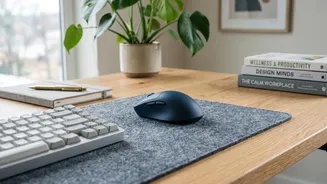
Our hands and wrists are in constant motion while typing and using a mouse, making them prone to repetitive strain. To keep them limber, extend your right arm in front of you with your palm facing down. With your left hand, gently bend your right wrist downward, feeling a stretch in your forearm. Hold for 15-20 seconds. Then, bend the wrist upward, palm facing out, and gently pull your fingers back. Repeat on the left arm. This helps prevent stiffness, improves circulation to your hands, and can reduce the risk of conditions like carpal tunnel syndrome, ensuring you can work comfortably and without pain-induced fatigue.