

1. A Mild, Natural Fertiliser
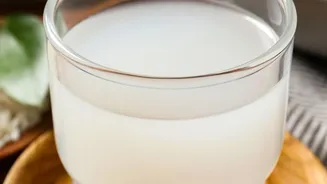
Rice water is packed with trace minerals and nutrients that are beneficial for plant health. The milky liquid contains small amounts of nitrogen, phosphorus, and potassium (NPK), the three primary macronutrients essential for plant growth. It also contains B
vitamins, iron, zinc, and magnesium. While it is not a replacement for a balanced fertiliser, it serves as an excellent, gentle supplement that can support leafy growth and root development. Studies have shown that water from washing rice has significantly more of these key nutrients than regular tap water, making it a valuable, low-cost plant food.
2. Boosts Beneficial Soil Microbes
The key to rice water's effectiveness lies in its starch content. This starch isn't directly absorbed by the plants, but instead serves as food for beneficial microorganisms in the soil, such as bacteria and mycorrhizal fungi. When these microbes thrive, they improve soil structure and help break down organic matter into forms that plant roots can more easily absorb. Fermenting the rice water for a few days can amplify this effect, as the fermentation process encourages the growth of beneficial bacteria like lactobacilli, which further enrich the soil ecosystem.
3. Promotes Stronger Root Systems
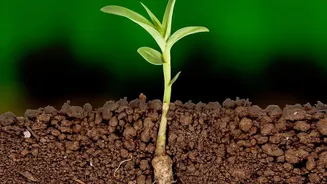
The nutrients and beneficial microbes in rice water work together to create an environment that encourages robust root development. The phosphorus present in the water is particularly important for strengthening root systems, while vitamins like thiamine (B1) also play a role in promoting healthy roots. A stronger root system allows a plant to absorb water and nutrients more efficiently, leading to overall healthier and more resilient growth. Some gardeners find it especially helpful for rooting and propagating new plant cuttings.
4. May Help Deter Pests
While not a direct insecticide, using fermented rice water can contribute to pest management in an indirect way. The fermentation process encourages the growth of certain fungi, like Metarhizium anisopliae, which is a known biological control agent for common garden pests including aphids, thrips, and root weevils. By fostering a healthy and diverse soil microbiome, you create an environment that is less hospitable to unwanted pests, providing a natural and organic method of pest control.
5. A Sustainable and Cost-Effective Practice
In a world where sustainability is increasingly important, using rice water is a perfect example of repurposing kitchen waste. For households where rice is a staple, a constant supply of this nutrient-rich liquid is available at zero cost. Instead of being poured down the drain, it becomes a valuable resource for your indoor or outdoor garden. This practice reduces waste and saves you money on commercial fertilisers, all while providing a natural boost to your plants.
How to Prepare and Use Rice Water
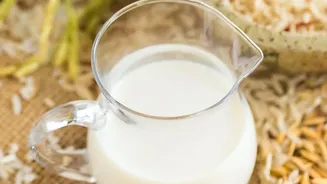
Making rice water is simple. The best source is the cloudy water left over from rinsing uncooked, unsalted rice. You can use this plain rinse water immediately, either undiluted or slightly diluted. For a more potent version, you can ferment it. To do this, let the rinse water sit in a loosely covered jar at room temperature for three to five days, until it develops a slightly sour smell. This fermented liquid is more concentrated and should be diluted, often at a 1:1 ratio with plain water, before being applied to the soil. It's best to use rice water no more than once every one to two weeks during the growing season.
Important Considerations and Risks
While beneficial, rice water should be used in moderation. Overuse, especially of undiluted or boiled rice water, can lead to a starchy buildup on the soil surface, which may attract pests like fungus gnats or even cause mould. It's also crucial to only use water from unsalted rice, as salt can harm plant roots. Some sources note that rice can absorb arsenic from the soil it's grown in, and these trace amounts can transfer to the water; while occasional use is not a concern, it's something to be aware of for edible plants. Always let the soil dry out between applications to prevent root rot.