
1. The Soft Touch: Limewash and Specialty Paints
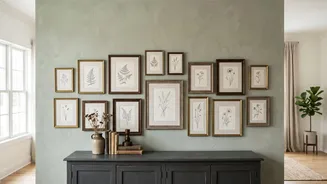
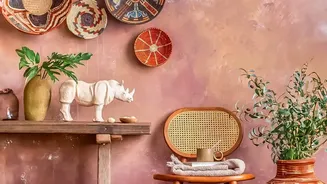
One of the most accessible ways to introduce texture is through paint itself. Forget a simple flat finish; specialty paints offer a world of subtle, touchable surfaces. Limewash, a classic choice, is a mineral-based paint that creates a soft, chalky finish with
gentle variations in tone. Applied with a brush using cross-hatch strokes, it leaves behind a cloud-like movement that feels both ancient and modern. This technique gives the wall a sense of depth and history, as if it has been there for centuries. Other options include textured paints with sand or other aggregates mixed in, which can be rolled on to create a fine, grainy surface. These paints are excellent for hiding minor wall imperfections and provide a subtle, three-dimensional effect that changes with the light throughout the day.
2. The Natural Weave: Grasscloth Wallpaper
For a texture that feels organic and warm, grasscloth wallpaper is a timeless favorite. Made from hand-woven strands of natural fibers like jute, sisal, and raffia, grasscloth introduces an authentic, earthy element into a room. Because it is a natural product, no two rolls are exactly alike, and the visible seams between panels are considered part of its unique charm. The fine weave brings a sophisticated and tactile quality that painted drywall can't replicate, making it perfect for a bedroom accent wall behind a bed or in a dining room to add a layer of elegance. While true grasscloth is best for low-moisture areas like living rooms and offices, convincing faux and vinyl versions are available that offer a similar look with added durability for kitchens or hallways.
3. The Architectural Statement: Wood Slats and Paneling
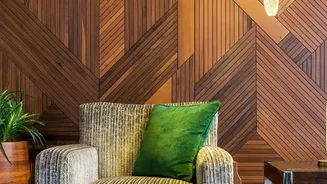
Wood adds instant warmth and architectural interest. A wood-slat accent wall is a hugely popular trend that works across styles from Scandinavian to mid-century modern. Vertical slats can draw the eye upward, making a room feel taller, while horizontal slats can create a sense of width. The gaps between the slats create a rhythmic pattern of light and shadow, adding significant depth. You can choose from various woods like warm oak, rich walnut, or budget-friendly pine and finish them with a clear coat, a stain, or even paint. Many modern slat panels also offer acoustic benefits, helping to dampen sound in a living room or home office. It's a method that adds a structured, yet natural, focal point.
4. The Luxurious Comfort: Upholstered Wall Panels
To create a feeling of softness, luxury, and comfort, consider an upholstered wall. This technique involves covering panels in fabric, which can range from plush velvet to sophisticated bouclé or classic linen. These soft panels are especially effective in bedrooms, where they can serve as a floor-to-ceiling headboard, making the entire room feel cozier and more inviting. Beyond aesthetics, upholstered walls have a significant functional benefit: they are excellent for sound absorption, which can transform a noisy room into a quiet sanctuary. Panels can be arranged in simple rectangular shapes, geometric patterns, or in a tufted style for a more traditional look, offering a bespoke finish that feels both high-end and deeply comfortable.
5. The Rustic Charm: Faux Stone and Brick Veneers
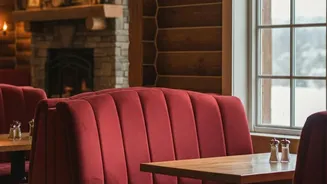
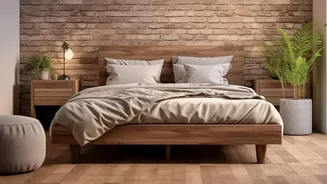
If you crave an industrial or rustic feel, an accent wall of stone or brick is a classic way to achieve it. However, using real masonry indoors can be expensive, heavy, and messy. Faux stone and brick veneers offer a highly realistic alternative without the drawbacks. These products are typically made from lightweight, high-density polyurethane or similar materials, and are cast from real stone or brick to capture their authentic textures and color variations. The panels are designed for easy installation and can often be applied directly over drywall. An exposed brick look in a bedroom can add urban-loft character, while a stacked stone finish behind a fireplace brings a cozy, lodge-like feel to a living room.