




A Shift in the Chocolate Landscape
For years, the gold standard for gourmet chocolate in India was synonymous with names like Belgian or Swiss. Pastry chefs and chocolatiers relied on imported couverture to craft their decadent creations. However, the tide is turning. A burgeoning 'bean-to-bar'
movement is gaining momentum across the country, prompting dessert makers to champion a local ingredient that has been cultivated in the nation’s south for centuries but was often overlooked in the high-end market. This shift is driven by a desire for greater transparency, unique flavour profiles, and a philosophy that connects the final product directly to the farmer who grew the beans.
Discovering India's 'Chocolate Terroir'
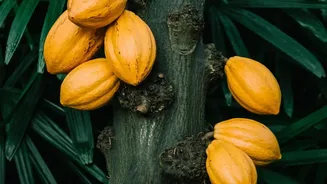
Just like wine grapes, cocoa beans have a 'terroir'—a unique flavour profile shaped by the soil, climate, and surrounding crops. South India's cocoa-growing regions, primarily in Kerala, Karnataka, Andhra Pradesh, and Tamil Nadu, offer a stunning diversity of tastes. Beans from Kerala, grown amidst coconut groves and spice plantations, can have bright, fruity notes of apricot and green apple with spicy undertones of cardamom and pepper. Those from Karnataka might offer nuttier or spicier notes. This practice of intercropping, where cocoa grows alongside everything from bananas to nutmeg, imbues the beans with a complexity and character that simply can't be found in mass-produced commodity cocoa. This provides chefs with a rich palette of flavours to experiment with, creating desserts that tell a story of their origin.
The Farm-to-Dessert Connection
At the heart of this movement is a closer relationship between producers and growers. Artisanal brands like Paul and Mike, Soklet, and Manam Chocolate are not just buying beans; they are working directly with farmers. This direct-sourcing model cuts out middlemen, ensuring farmers receive fairer, more consistent pay for their crops. It also gives chocolatiers and dessert makers unprecedented control over quality, from the fermentation and drying of the beans—critical steps in developing flavour—to the final processing. This collaborative 'tree-to-bar' or 'bean-to-bar' approach fosters sustainability and results in a higher quality product where the nuances of the bean are preserved and celebrated.
Chefs and Chocolatiers Leading the Charge
The growing popularity of Indian single-origin chocolate is a testament to the pioneering brands and chefs who are showcasing its potential. Brands like Paul and Mike have won international awards for their creations, proving that Indian cocoa can compete on a global stage. Others, like Soklet, India's first tree-to-bar maker, control the entire process from their own plantations in Tamil Nadu. These chocolatiers are not just making chocolate; they're crafting experiences. They are creating bars infused with uniquely Indian flavours like masala chai, Guntur chilli, and even sakkarai pongal, celebrating a sense of place and nostalgia that resonates deeply with local consumers.
An Ethical and Sustainable Choice
Beyond the superior taste and traceability, choosing single-origin South Indian cocoa is an ethical and sustainable decision. Relying on local supply chains significantly reduces the carbon footprint associated with importing heavy goods from across the globe. Furthermore, as global cocoa markets face volatility and shortages due to climate change, developing a robust domestic supply chain offers stability for both farmers and businesses in India. For consumers, this means that indulging in a locally sourced chocolate dessert is not just a treat for the palate, but also a vote for a more sustainable, equitable, and flavourful future for Indian food.