

The Pride of Malabar: Thalassery Biryani
In the northern Malabar region, biryani is not just a dish; it's a celebration. The Thalassery Biryani stands apart from its more famous counterparts. Instead of Basmati, it uses a unique, short-grained local rice called Kaima or Jeerakasala, which is known
for its ability to absorb flavour. The magic lies in the 'dum' cooking method, where layers of this aromatic rice and spiced meat—usually chicken or mutton—are sealed in a pot and slow-cooked over coals. This technique, influenced by centuries of Arab and Persian trade, creates a moist, fragrant, and subtly spiced biryani that is a cornerstone of Mappila (Muslim) cuisine and a highlight at weddings and festivals across the region.
Syrian Christian Kitchens: A Legacy of Flavours
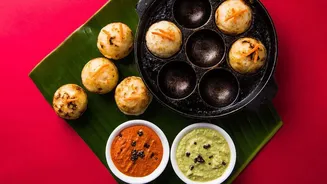
Central Kerala's culinary identity is deeply intertwined with its Syrian Christian community, whose cooking style is a delicious blend of local traditions and Western influences. A star dish is 'Meen Moilee', a gentle fish stew where seer fish or pearl spot is simmered in creamy coconut milk with mild spices, turmeric, and green chillies. Another beloved classic is 'Beef Ularthiyathu', where chunks of beef are slow-roasted with a host of spices, coconut slivers, and curry leaves until they are dark, fragrant, and incredibly tender. These dishes, often served with spongy, lace-edged Appams (fermented rice pancakes), showcase a sophisticated use of spices and coconut that defines the region's palate.
Travancore's Soulful Staples: Puttu and Kadala
Travel south to the Travancore region, and you'll find breakfast is a serious affair. The undisputed king is 'Puttu and Kadala Curry'. Puttu is a fascinating dish made from steamed cylinders of ground rice layered with fresh, grated coconut. Cooked in a special steamer, it emerges soft, crumbly, and wonderfully aromatic. It is most famously paired with Kadala Curry, a robust and spicy black chickpea gravy that perfectly complements the mildness of the puttu. This combination is more than just a meal; it is a daily ritual in countless homes and a comforting start to the day.
The Backwater Star: Karimeen Pollichathu
No culinary tour of Kerala is complete without tasting 'Karimeen Pollichathu', a true delicacy from the state's serene backwaters. 'Karimeen', or pearl spot fish, is marinated in a vibrant paste of chillies, spices, and onions. The fish is then wrapped snugly in a banana leaf and steamed or pan-fried. This method allows the fish to cook in its own juices, absorbing all the flavours of the masala marinade while the banana leaf imparts a subtle, earthy aroma. The result is a flaky, flavour-packed fish that falls off the bone, representing the best of Kerala's coastal cooking.
A Sweet Finale: Ada Pradhaman
While the Sadhya has its own set of payasams, one of the most cherished desserts in Kerala is Ada Pradhaman. Often called the 'king of payasams', this rich pudding is a staple at celebrations. It is made with 'ada' (small, steamed rice flour flakes), which are cooked in a luscious mixture of coconut milk and dark, smoky jaggery. Flavoured with cardamom and garnished with fried coconut pieces and cashews, Ada Pradhaman is a deeply comforting and traditional sweet that offers a different flavour profile from the milk-based payasams, showcasing the versatility of rice and coconut in Kerala's desserts.