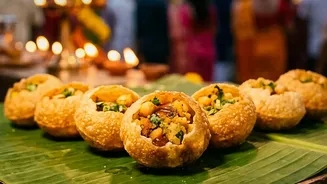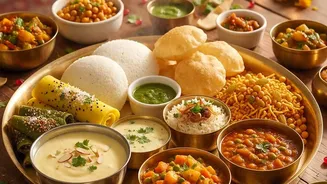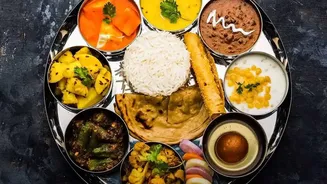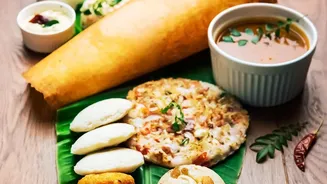



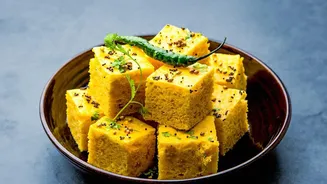
Not long ago, your food delivery app likely offered a familiar choice between North Indian, South Indian, and Chinese. Today, you can find Bihari litti chokha, Naga smoked pork, and Kerala's avial just a few taps away. What changed?
The Great Indian Kitchen Migration
For decades, India
has witnessed a steady wave of internal migration. Millions of young professionals, students, and workers have moved from their hometowns to bustling metropolitan hubs and tier-II cities in search of education and economic opportunities. This demographic shift has reshaped not just urban workforces and housing, but also the very flavour of our cities. When people move, they bring more than just their skills and ambitions; they bring their culture, their traditions, and most importantly, a longing for the taste of home. This simple, powerful craving is the initial spark that has ignited a nationwide culinary revolution, moving regional food from the periphery to the mainstream.
From Comfort Food to Culinary Curiosity
The journey of a regional dish often begins modestly. A migrant, missing a specific flavour from home, starts a small tiffin service or a weekend-only kitchen catering to others from their community. Initially, these enterprises serve a niche audience seeking comfort and nostalgia. However, in a connected world, food doesn't stay secret for long. Food bloggers, social media influencers, and curious colleagues get a taste, and the word begins to spread. A dish that was once a comforting meal for a homesick individual becomes an exciting discovery for an adventurous urban diner. This transition is crucial: it marks the point where a cuisine moves beyond its community and begins to be adopted by the wider city, driven by a growing appetite for authenticity and new experiences.
The Digital Dhaba: Technology as an Accelerator
If migration planted the seeds, technology provided the fertile ground for rapid growth. The rise of food delivery platforms like Swiggy and Zomato, coupled with the cloud kitchen model, has been a game-changer. Cloud kitchens, which are delivery-only establishments with no physical storefront, drastically lower the financial barrier to entry. A talented home cook specialising in Odia pakhala or a chef with expertise in Kashmiri Wazwan no longer needs massive capital to open a full-fledged restaurant. They can start with a small, shared kitchen space and reach thousands of customers via an app. According to a report by Swiggy, hyper-regional cuisines like Bihari, Goan, and Pahari are now growing at a rate 2 to 8 times faster than mainstream options on their platform.
Beyond Butter Chicken and Dosa
The result is a wonderful diversification of the national palate. For years, 'Indian food' in many cities was a monolithic concept, often limited to popular Punjabi dishes or a generic South Indian menu. Now, urban diners are exploring the subtle complexities of food from across the country. Restaurants and cloud kitchens are proudly showcasing the provenance of their ingredients, from Bengal's gondhoraj lime to Nagaland's bamboo shoots. Dishes once confined to specific regions, like Jharkhand's forest-inspired foods or Telangana's gongura preparations, are finding their place on city menus. This isn't just about variety; it's about a deeper appreciation for the true diversity of India's culinary heritage, where every dish tells a story about climate, agriculture, and community.
An Evolving National Palate
This trend is a twoway street. While migrants introduce new flavours, host cities with their curious and experimental diners create the demand that allows these cuisines to flourish. There is a growing fatigue with standardised menus, and diners are actively seeking out unique and authentic food stories. Industry reports confirm this shift, with one finding that 38% of diners are most excited to try regional cuisines over other options. This cultural exchange enriches everyone. The migrant entrepreneur finds a new market, and the local resident gets to travel the country one plate at a time, all without leaving their city.