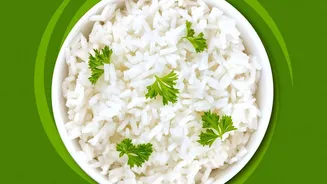







Swap Refined Grains for Whole Grains
One of the most impactful changes you can make is switching from refined grains to whole grains. Refined products like white bread, white rice, and regular pasta have been stripped of their most nutritious parts. Whole grains, on the other hand, contain
the entire grain kernel—bran, germ, and endosperm—offering fiber, vitamins, and minerals. Diets rich in whole grains are linked to a lower risk of heart disease and type 2 diabetes. On your next shopping trip, look for labels that say “100% whole wheat” or “100% whole grain.” Simple swaps include choosing brown rice instead of white, whole-wheat pasta, and bread made from whole grains. These options provide more fiber, which helps you feel full longer and supports digestive health.
Choose Healthier Cooking Oils
Not all cooking oils are created equal. Many common vegetable oils are highly processed. Upgrading to less processed, nutrient-dense oils can make a significant difference. Olive oil, for instance, is a kitchen staple rich in antioxidants and healthy monounsaturated fats. Avocado oil is another excellent choice with a neutral flavor and high smoke point, making it versatile for various cooking methods. For baking, melted coconut oil or even applesauce can be used as a substitute for vegetable oil. These fats are better for you and can add a new depth of flavor to your dishes. When possible, opt for oils like olive, avocado, or coconut oil over blended vegetable oils.
Opt for Plain Greek Yogurt
Yogurt is often seen as a health food, but many flavored varieties are packed with added sugars, sometimes as much as a dessert. A simple upgrade is to choose plain Greek yogurt instead. Greek yogurt is strained to remove much of the whey, resulting in a product that's typically higher in protein and lower in sugar and carbohydrates than regular yogurt. The higher protein content can help you feel fuller for longer. While it is lower in calcium than regular yogurt, it's still a good source. Use plain Greek yogurt as a base and add your own flavor with fresh berries, a sprinkle of nuts, or a small drizzle of honey for a nutritious breakfast or snack. It also makes a great substitute for sour cream in recipes.
Rethink Your Sauces and Spreads
Condiments, sauces, and spreads are common sources of hidden sugars, sodium, and unhealthy fats. A single tablespoon of ketchup can contain around four to five grams of sugar, while some bottled salad dressings and barbecue sauces are also surprisingly high in sweeteners. When shopping, take a moment to read the nutrition labels. Look for pasta sauces, ketchups, and nut butters with “no added sugar” on the label. Better yet, try simple homemade alternatives. A vinaigrette made with olive oil and vinegar has very little sugar. Swapping mayonnaise for hummus or mashed avocado on a sandwich is another easy way to boost nutrients and avoid processed ingredients.
Hydrate Smarter, Not Sweeter
Sugary drinks like sodas, juices, and energy drinks are a major source of empty calories and added sugars. Regularly consuming these beverages is linked to a higher risk of several health issues, including type 2 diabetes and heart disease. The simplest swap is to choose water. To make it more exciting, infuse your water with slices of lemon, cucumber, or fresh berries. Unsweetened sparkling water can satisfy a craving for carbonation, and you can add a splash of 100% fruit juice for flavor. Unsweetened iced tea is another refreshing alternative. Cutting back on sugary drinks is one of the easiest ways to significantly reduce your overall sugar intake.