


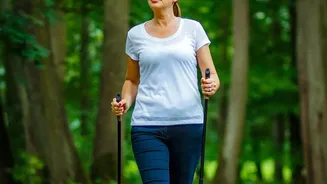


The Science of the Post-Meal Stroll
The idea of a walk after eating isn't new; it’s a practice ingrained in many cultures, including our own. But modern science now confirms the wisdom behind this habit. When you eat, especially a meal rich in carbohydrates, your body converts it into glucose,
causing your blood sugar levels to rise. For your body to use this glucose, it needs insulin. A light walk after a meal works wonders here. When you move, your muscles need energy, so they start pulling glucose from your bloodstream. This process helps lower your blood sugar levels more gradually, preventing the sharp spikes and subsequent crashes that can leave you feeling tired and craving more sugar. Studies have shown that a walk within 60 to 90 minutes after eating is particularly effective. Even a walk as short as two to five minutes can make a noticeable difference in moderating blood sugar.
Easing Stiffness and Aiding Digestion
If you spend much of your day sitting at a desk, you’re likely familiar with muscular stiffness. A post-meal walk acts as a form of active recovery. It gently stimulates blood flow to your muscles, helping to alleviate the stiffness that comes from being sedentary. This improved circulation delivers oxygen and nutrients that help muscles relax and recover. Beyond your muscles, a stroll also benefits your digestive system. Movement helps stimulate peristalsis, the series of wave-like muscle contractions that moves food through your digestive tract. This can help reduce common post-meal complaints like bloating, gas, and that overly full feeling, leaving you feeling more comfortable after you eat.
How to Walk the Right Way
You don’t need to embark on a strenuous power walk to reap the benefits. The key is light to moderate intensity. Think of it as a gentle stroll, not a race. You should be able to hold a conversation comfortably while you walk. Aim for about 10 to 15 minutes. Research indicates this is an ideal duration for blood sugar management benefits. The timing is also crucial. The golden window is to start your walk within an hour of finishing your meal, as this is when blood sugar levels tend to peak. While a walk after any meal is beneficial, if you can only manage one, consider making it a habit after dinner. This can be particularly helpful as our bodies can be more insulin resistant in the evening.
Making It a Lasting Habit
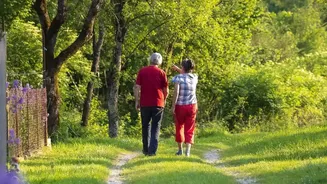
The biggest challenge with any new routine is consistency. Start small and make it enjoyable. Don't feel pressured to walk for 30 minutes right away; even five minutes is a great start. You can gradually increase the duration as you get more comfortable. To make it stick, try linking it to your mealtime routine. As soon as you finish eating, put on your shoes and head out the door. Setting a timer or a reminder on your phone can also help build the habit. Turn it into a social activity by walking with a family member or friend. For many in India, the post-dinner walk is a cherished time for community and conversation. By reframing it as a moment to connect and unwind, you're more likely to look forward to it each day.