






Why Your Eyes Are So Vulnerable
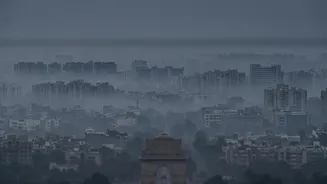
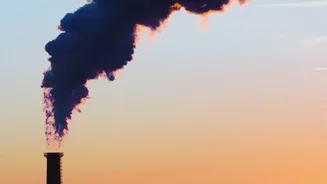
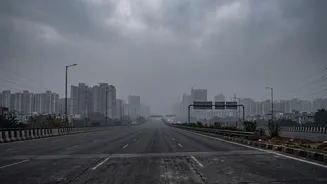
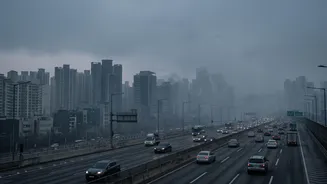
Your eyes are constantly exposed to the environment, and their moist surfaces easily absorb airborne pollutants. The smog blanketing Delhi is a cocktail of fine particulate matter (PM2.5), nitrogen dioxide, sulfur dioxide, and other toxic gases. These
particles disrupt the eye's natural protective layer, the tear film, which is responsible for keeping the surface lubricated and clear of debris. When this barrier is compromised, it leads to inflammation, dryness, and a host of uncomfortable symptoms, turning a simple walk outside into a high-risk activity for your vision.
The Warning Signs You Shouldn't Ignore
The body's response to these pollutants is often immediate. Experts explain that early signs are the eyes' natural defense mechanism. You may experience persistent redness, itching, and a burning or stinging sensation. Many people report a gritty feeling, as if sand is in their eye, along with excessive watering as the eye tries to flush out the irritants. In some cases, vision can become temporarily blurry, and you might notice increased sensitivity to light. While these symptoms might seem minor, they are a clear indication that the air quality is taking a toll on your ocular health.
Practical Steps for Immediate Protection
With the Commission for Air Quality Management (CAQM) already invoking Stage 1 of the Graded Response Action Plan (GRAP), taking precautions is essential. The most effective first step is to limit your exposure, especially during early morning and evening hours when pollution levels are often highest. When you do go out, wear wraparound sunglasses to create a physical barrier against dust and pollutants. Upon returning home, make it a habit to wash your face and rinse your eyes with clean water to remove any accumulated particles. Crucially, resist the urge to rub your eyes, as this can push irritants further in and cause more damage.
Managing Your Indoor Environment
Since staying indoors is a key recommendation, ensuring your indoor air is clean becomes paramount. Keep windows and doors closed on high-pollution days. Investing in an air purifier with a HEPA filter can significantly reduce the concentration of PM2.5 and other particles inside your home or office, creating a safe zone for your eyes to recover. Using a humidifier can also help, as it adds moisture to the air, which can soothe dry, irritated eyes. Simple additions like air-purifying houseplants such as snake plants and spider plants can also contribute to better indoor air.
Eye Drops and When to Use Them
For immediate relief from dryness and irritation, lubricating eye drops, also known as artificial tears, are highly recommended. They help restore moisture and flush out pollutants. It's best to opt for preservative-free drops if you need to use them frequently throughout the day. However, it's important to distinguish these from medicated eye drops. If your symptoms are severe or persistent, you may have an allergy or infection that requires anti-allergic or antibiotic drops, which should only be used after consulting an ophthalmologist.
When to See an Eye Specialist
While most mild irritation subsides once you are in a cleaner environment, some symptoms warrant immediate medical attention. According to eye care professionals, if you experience severe or continuous pain, significant discharge from the eyes, swelling, or any sudden changes in your vision, you should consult a doctor without delay. These could be signs of a more serious condition like conjunctivitis ('pink eye'), an infection, or even damage to the cornea that requires professional treatment. Long-term exposure to high pollution levels has also been associated with an increased risk of serious conditions like glaucoma and age-related macular degeneration, making proactive care even more critical.