



Embrace a New Travel Philosophy
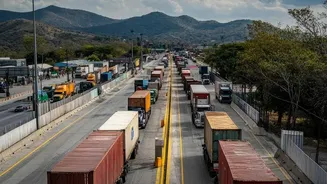
Planning a trip in India usually starts with a question: “Where should we go?” We pick a place, book a hotel, and only then figure out the travel. This often defaults to taking the car, leading to long, tiring hours behind the wheel. The route-first approach
asks a different question: “What journey do I want to experience?” This simple shift in mindset transforms a holiday from a destination-driven checklist into an immersive experience. It’s about enjoying the gentle sway of a train, the scenic surprises of a bus ride, or the freedom of combining different modes of transport. This philosophy encourages ‘slow travel’, allowing for a deeper connection with the landscapes you pass through, rather than just rushing to a postcode.
The Magic of Indian Railways
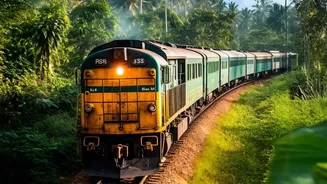
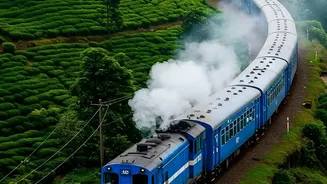
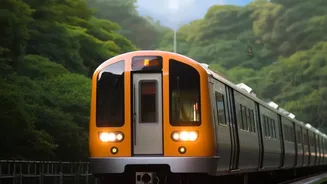
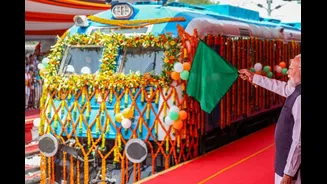
India’s rail network is the backbone of car-free travel and a destination in itself. Instead of seeing a train as just a way to get from A to B, consider the route itself as the main attraction. The Konkan Railway, for instance, is a journey that offers breathtaking views of the Sahyadri hills and the Arabian Sea. Similarly, the UNESCO World Heritage mountain railways like the Kalka-Shimla line, the Darjeeling Himalayan Railway, and the Nilgiri Mountain Railway are not just transport; they are iconic travel experiences. These journeys, often on 'toy trains', are slow by design, allowing you to soak in the majestic scenery of the Himalayas and the Western Ghats. Planning a trip around one of these routes ensures the travel days are as memorable as the days spent at the destination.
Rediscovering Travel by Bus
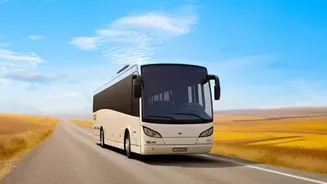
Buses in India have evolved far beyond their once-modest reputation. Today, they connect almost every corner of the country and offer a surprising level of comfort. Many popular routes are incredibly scenic, offering a ground-level view that trains and planes can't match. A bus journey from Mumbai to Goa, for example, winds through the lush Western Ghats, becoming especially magical during the monsoon. Other popular and scenic routes include Delhi to Jaipur, traversing the Aravalli foothills, or Chennai to Pondicherry along the beautiful East Coast Road. For the more adventurous, the bus ride from Manali to Leh is a legendary journey through some of the world's highest motorable passes. By choosing a well-serviced bus route, you can sit back, relax, and watch the diverse Indian landscape unfold.
The Art of Multi-Modal Planning
The ultimate car-free holiday often involves more than one type of transport. This is multi-modal travel: combining trains, buses, ferries, and local transport to create a seamless journey. For example, you could take an overnight train to a major hub, then a comfortable bus to a smaller town, and finally use local auto-rickshaws or rented bicycles for sightseeing. Planning such a trip might seem complex, but it’s easier than ever. The key is to book your main long-distance leg first—be it a train or bus—and then plan the shorter connections around it. This approach gives you incredible flexibility, allowing you to reach less-accessible gems like Matheran, Asia's only automobile-free hill station, which is best reached by train to Neral and then a short ride on the toy train or by foot.
Your Route-First Planning Toolkit
To start planning your car-free break, you need the right tools. Begin with a railway map of India instead of a road map. Identify major scenic lines or routes that pass through regions you're interested in. Use websites like IRCTC for train schedules and bookings, and platforms like redBus or AbhiBus for intercity bus options. For multi-modal planning, some newer AI-powered trip planners are emerging that can help optimize routes across trains, buses, and flights. When looking at a route, don't just focus on the start and end points. Look at the towns in between. A stopover in a small, interesting town you would have otherwise driven past can become the highlight of your trip. Remember to confirm last-mile connectivity with your hotel; many are happy to arrange pickups from the nearest station or bus stand.