





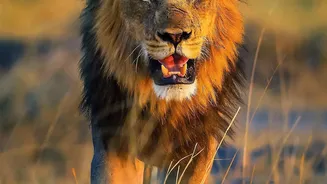
A Historic Homecoming
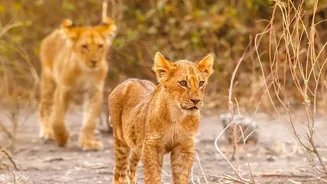
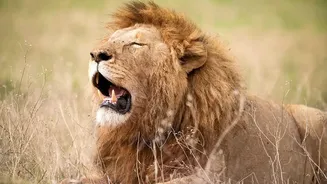
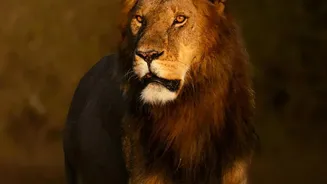
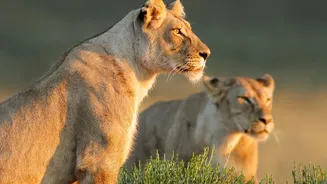
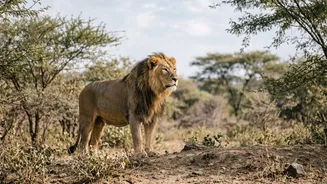
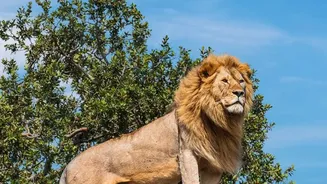
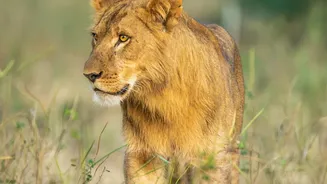
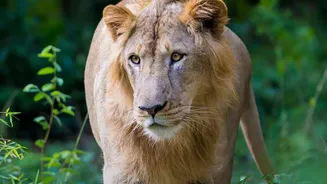
The return of lions to Barda is a landmark event in Indian conservation. After being absent from the landscape since 1879, the natural dispersal of a male lion into the sanctuary in January 2023 marked a historic moment. This was followed by the strategic
introduction of five females by the Gujarat Forest Department to establish a new, viable population. This move is a key part of 'Project Lion', which aims to secure the future of the species by creating a second wild population away from the concentrated numbers in Gir. Having a separate, satellite population reduces the risk of the entire species being wiped out by a single disease outbreak or natural disaster. As of late 2026, the sanctuary is home to a growing pride of 17 lions, a testament to the success of these early conservation efforts.
Life in the Open Grasslands
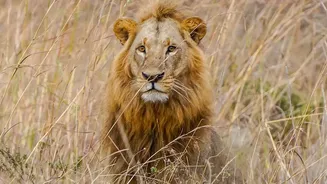
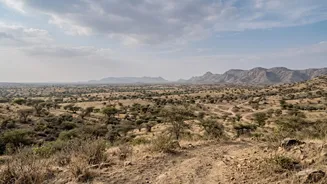
A significant part of Barda is characterised by open grasslands and scrubland, offering a habitat that is different from the dense forests many associate with Asiatic lions. A recent scientific study revealed that lions in Barda show a preference for these grasslands within their core areas. This environment offers distinct advantages and challenges. Open terrain allows for hunting strategies that rely on teamwork and speed, similar to those seen in African savannahs. The primary prey in these areas includes wild pig and nilgai (blue bull), which lions have been documented to hunt successfully. In fact, studies show wild pigs make up a remarkable 55% of the lions' diet in Barda, showcasing their adaptability to the available prey base. To further support the predators, authorities have been actively augmenting the prey population by releasing hundreds of spotted deer (chital) and sambar into the sanctuary.
Mastering the Forested Hills
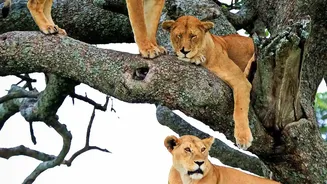
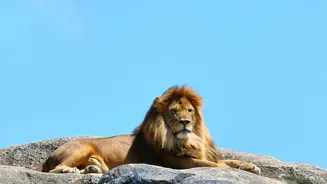
Beyond the grasslands, Barda features rugged, hilly terrain with mixed and deciduous forests. This landscape provides a different set of resources and requires a different set of skills. At the broader home-range scale, research shows the lions prefer these mixed forests. The denser tree cover offers shade and security, providing safe places to rest during the heat of the day and secure dens for raising cubs. Hunting in these wooded areas is less about open chases and more about stealth and ambush. The vegetation provides cover, allowing lions to stalk prey more effectively, a behaviour more aligned with the classic hunting style observed in Gir's thorn forests. This dual competency in both open and forested terrains demonstrates the remarkable versatility of the Asiatic lion.
A Laboratory for Adaptability
The presence of both grasslands and forests makes Barda an invaluable natural laboratory for understanding lion ecology. By tracking six radio-collared lions, researchers have gathered over 169,000 data points on their movements between January 2023 and July 2025. This data shows lions establishing average home ranges of about 70 square kilometres, utilising both habitat types. This ability to thrive in a varied landscape is a positive sign for their long-term survival. A diverse environment can support a wider range of prey and offer seasonal refuges, making the ecosystem more resilient. As the population grows, observing how prides partition these different habitats will provide crucial insights for managing this second home and ensuring its success as a permanent stronghold for the species.