



The Dark Side of 'Fitspiration'
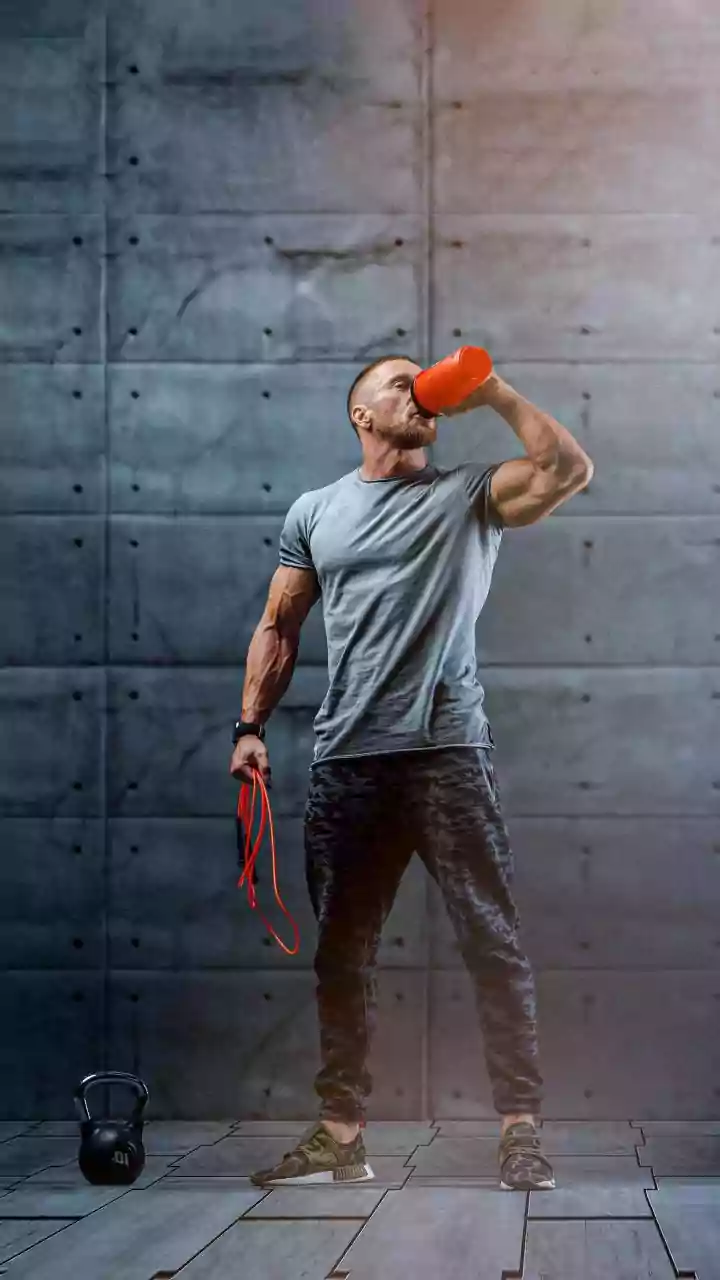
Social media is saturated with 'fitspiration'—content designed to motivate you to live a healthier lifestyle. While some of it is genuinely helpful, a significant portion is created by influencers without any formal qualifications in fitness, nutrition,
or exercise science. [3] A 2023 study found that nearly two-thirds of the top 100 fitness influencer accounts promoted unrealistic or unhealthy body shapes. [3] The problem is that anyone can call themselves a 'coach' online, leading to a flood of misinformation. [13] In India, the rapid growth of gyms and online fitness culture has led to an increase in uncertified trainers who rely on social media trends rather than formal education, posing risks to their clients. [22] This lack of regulation means it's up to you to be discerning.
The High Risk of Injury
Many viral workouts and challenges feature complex movements, extreme intensity, or poor form demonstrated by the creator. Following these without proper guidance can lead to significant physical setbacks. [3] Incorrect exercise form, such as improper deadlifts or squats, can cause severe lower back, knee, and waist injuries that may have lifelong consequences. [22] Trainers without proper qualifications often fail to provide modifications for different fitness levels, body types, or pre-existing conditions. [14] This 'one-size-fits-all' approach, often packaged with a 'no pain, no gain' mentality, is a major red flag and can push you beyond your limits unsafely. [3, 10]
Mental Health Under Pressure
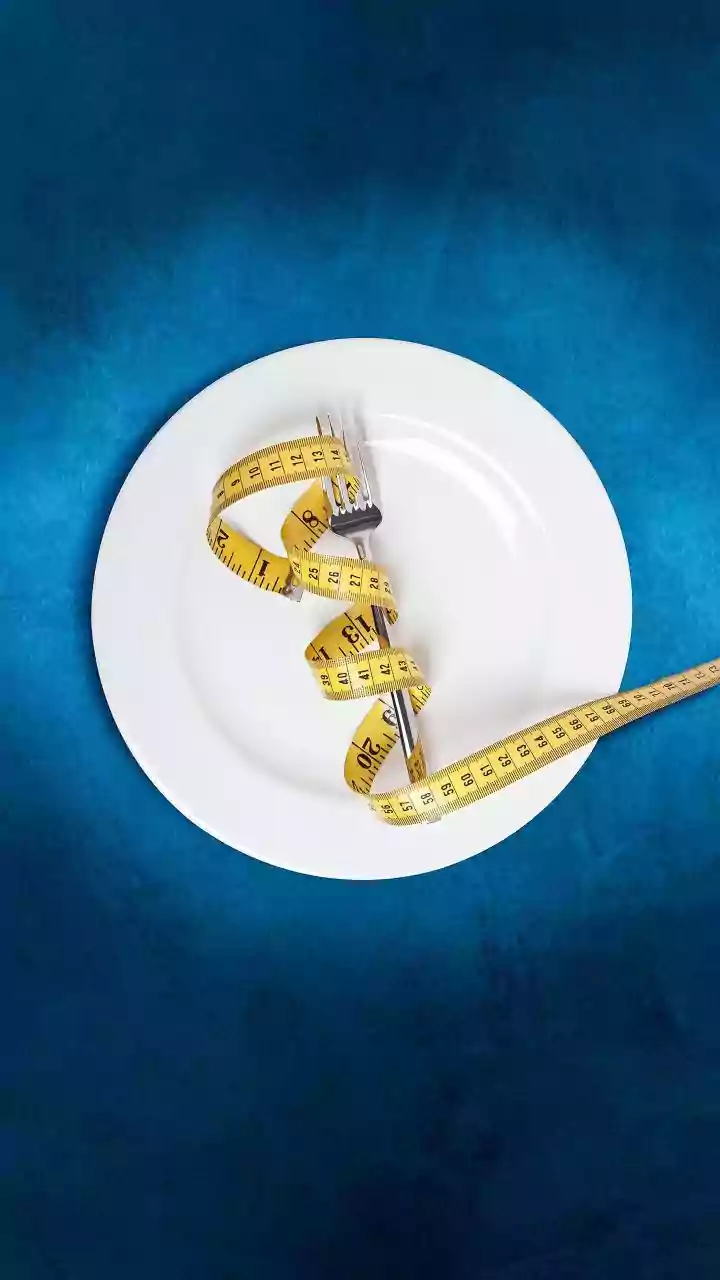
The constant exposure to perfectly curated bodies and seemingly effortless workouts can take a heavy toll on your mental health. This can trigger feelings of anxiety, depression, and body dissatisfaction. [3] Research shows that following health influencers, while it might motivate more vigorous exercise, is also linked to greater psychological distress. [7] This constant comparison can lead to body dysmorphia, compulsive exercise, and disordered eating habits as you strive to meet an unrealistic, often digitally altered, ideal. [2, 14] The pressure to achieve rapid results, fueled by 'transformation' videos, creates an unhealthy cycle that prioritizes aesthetics over genuine, long-term health. [18]
Your Vetting Toolkit: How to Stay Safe
Navigating the world of online fitness doesn't mean you have to unfollow everyone. Instead, develop a critical eye. First, check for qualifications. Look for influencers with degrees or certifications from reputable organizations like the National Academy of Sports Medicine (NASM) or the American Council on Exercise (ACE). [9] In India, new government guidelines now require health influencers to disclose their professional qualifications. [11] Be wary of anyone promising a 'quick fix' or using fear-mongering language like 'never eat this'. [6, 8] A true professional offers a balanced approach, emphasizes listening to your body, and promotes consistency over perfection. [3] Look for content that is educational and explains the 'why' behind an exercise, rather than just showing off a physique. [13]
Build a Healthy Relationship with Fitness
Ultimately, your fitness journey is unique. Use social media for inspiration and ideas, but always filter them through a lens of safety and self-awareness. If an influencer makes you feel inadequate, it might be time to hit the unfollow button. Prioritize accounts run by licensed professionals like physical therapists, registered dietitians, and certified trainers who ground their advice in science. [12, 16] They often focus on functional movement, injury prevention, and building sustainable habits—not just aesthetics. Remember that progress takes time and consistency, and there are no shortcuts or magic supplements that can replace that. [8]