

The Great Reopening
Most of India's premier national parks and tiger reserves remain closed to the public during the peak monsoon months, typically from July to September. This annual closure is essential for several reasons. It allows the forest ecosystems to recover from human
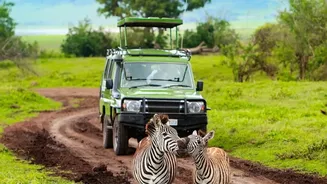
traffic, gives animals privacy during their crucial breeding seasons, and provides time for authorities to repair safari tracks and infrastructure damaged by heavy rains. Starting from October 1st, and in some cases later in the month or in November, these parks begin to reopen their gates. Destinations like Ranthambore, Kanha, Bandhavgarh, and Kaziranga become accessible again, marking the official start of the wildlife safari season that generally lasts until the following June.
A World Rejuvenated and Replete
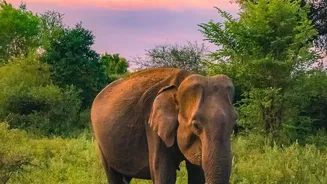
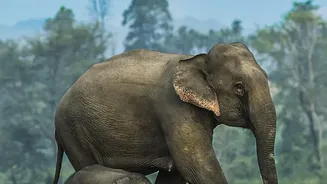
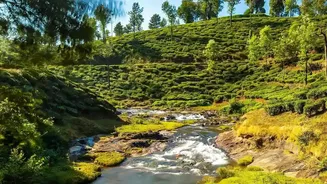
The monsoon is nature's reset button. The rains replenish rivers, lakes, and seasonal waterholes, ensuring water is abundant across the forest. This vital resource, combined with the flourishing plant life, means herbivores like deer, sambar, and nilgai have ample food. The parched earth is replaced by a vibrant green carpet, and the entire ecosystem bursts with life. This period of plenty leads to healthier and more active animal populations. While the dense vegetation can sometimes make spotting animals a bit more challenging than in the dry summer months, the sheer vibrancy of the landscape offers an unparalleled aesthetic experience.
Increased Animal and Avian Activity
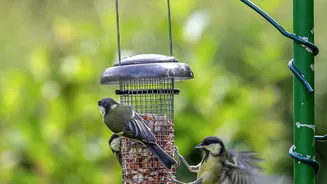
The post-monsoon period is a time of great activity in the animal kingdom. With water sources full, animals don't need to travel as far for a drink, but they are often seen enjoying the replenished environment. The pleasant weather, with cooler temperatures and clear skies, makes it comfortable for both animals and visitors. For birdwatchers, this season is particularly special. It marks the beginning of the migratory season, where birds from Central Asia, Siberia, and Europe start arriving for the winter. Sanctuaries like Keoladeo National Park in Rajasthan and Chilika Lake in Odisha become bustling hubs for waterfowl, waders, and raptors, alongside a flurry of activity from resident bird species enjoying the abundance of insects.
Prime Viewing in Key Parks
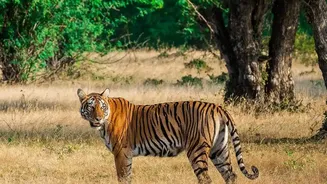
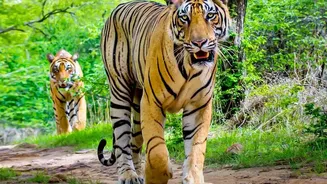
Different parks offer unique experiences during this time. In Central India, parks like Kanha and Bandhavgarh are renowned for tiger sightings amidst the fresh sal and bamboo forests. Ranthambore in Rajasthan, with its mix of rocky hills and lakes, becomes a stunning backdrop for photography. In Assam, Kaziranga National Park, home to the one-horned rhinoceros, typically reopens in October or November after the severe flooding of the Brahmaputra subsides, revealing lush grasslands teeming with life. The reopening allows visitors to witness these iconic animals in a revitalised habitat, making for memorable and often dramatic sightings against the verdant scenery.
Ideal Conditions for Visitors
Beyond the wildlife, the post-monsoon season simply offers some of the best travel conditions. The extreme heat of the Indian summer has passed, and the heavy rains have ceased, giving way to pleasant, cool, and comfortable weather. The air is fresh and the dust has settled, creating clear light that is perfect for photography. For families, photographers, and first-time safari-goers, the period from October to March is considered ideal for a comfortable and scenic experience. It's a window where you can enjoy the wilderness without battling extreme temperatures, making the entire journey more enjoyable.