







Why You Must Act Quickly
The journey to the Amarnath cave, situated at an altitude of 3,888 metres, is as challenging as it is sacred. To manage the sensitive ecology and ensure pilgrim safety, the Shri Amarnathji Shrine Board (SASB) strictly regulates the number of yatris allowed
each day. Registrations are opened for a specific period, typically a couple of months before the yatra begins in late June or early July. With millions of devotees aspiring to undertake the pilgrimage, the limited daily slots for each route get filled up with astonishing speed. Waiting until the last minute is not an option; it almost guarantees disappointment. The registration is a time-sensitive process that rewards the prepared.
Essential Eligibility and Documents
Before you even think about the registration portal, ensure you are eligible. The yatra is open to individuals aged between 13 and 70 years. Women who are more than six weeks pregnant are not permitted to undertake the pilgrimage due to the high altitude and strenuous nature of the trek. The single most important document you will need is the Compulsory Health Certificate (CHC). This must be issued by a doctor or medical institution authorized by your state or UT government. The list of authorized doctors is available on the SASB website. Ensure the CHC is issued on or after the date specified by the board for the current year, as older certificates are invalid. You will also need a passport-sized photograph and a valid government ID.
Step-by-Step Online Registration Guide
The primary way to register is through the official SASB online portal (jksasb.nic.in). Offline registration is available at designated bank branches, but online is often more convenient. Follow these steps: 1. **Visit the Website:** Navigate to the official SASB portal. Do not use third-party sites, as they are not authorized. 2. **Fill the Application Form:** Enter your personal details exactly as they appear on your ID. You will need to choose your preferred route (Pahalgam or Baltal) and the specific date for your trek. 3. **Upload Documents:** You will be prompted to upload scanned copies of your passport-sized photograph and the Compulsory Health Certificate (CHC). Make sure the scans are clear and meet the specified size and format requirements. 4. **Verification:** An OTP will be sent to your mobile number for verification. Ensure you have your phone handy. 5. **Pay the Fee:** A nominal registration fee is charged per yatri. Payment can be made online through the portal. 6. **Download Your Permit:** Once the payment is successful and your application is processed, you can download your Yatra Permit. This is the crucial document you must print and carry with you.
Choosing Your Path: Pahalgam vs. Baltal
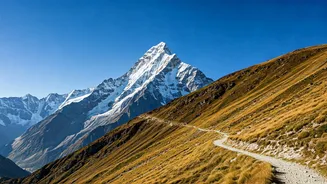
During registration, you must select one of two traditional trekking routes. Your choice impacts the duration and difficulty of your journey. **The Pahalgam Route:** This is the longer, more traditional path. It spans about 46-48 km and typically takes 3-5 days to complete. While more challenging in terms of length, the ascent is more gradual, making it a better option for those who want to acclimatise slowly. The scenic beauty along this route is breathtaking, with lush valleys and panoramic mountain views. **The Baltal Route:** This is the shorter but much steeper alternative. The trek from the Baltal base camp is about 14-16 km and can be completed in a single day (to the holy cave and back). It's preferred by younger, fitter pilgrims or those short on time. The climb is very demanding and requires a high level of physical fitness.
Final Preparations and What's Next
Securing your Yatra Permit is the most important first step, but preparation doesn't end there. Begin a fitness regimen at least a month in advance; walking for a few hours daily is highly recommended. Pack appropriate clothing, including thermal wear, a waterproof jacket, and sturdy trekking shoes with good grip. Acclimatisation is key to preventing altitude sickness, so plan to arrive at the base camp at least a day before your trek begins. Carry your original photo ID and the CHC along with the Yatra Permit, as they will be verified at multiple checkpoints. Without these documents, you will not be allowed to proceed.