






Meet the Unseen Kitchen Crew
Every time you cook or bake, you’re managing a delicate dance between heat, moisture, and time. These three elements are the true architects of your final dish. Understanding how they work together—and sometimes against each other—is the secret to moving
beyond simply following a recipe to truly understanding how to cook. A recipe gives you instructions, but knowing the 'why' behind those instructions empowers you to troubleshoot when things go wrong and adapt to your unique kitchen environment. Think of them less as potential problems and more as variables you can learn to control for consistent, delicious results.
Heat: More Than Just a Number
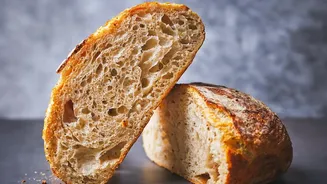
Heat is the catalyst for almost every chemical reaction in cooking, from the Maillard reaction that browns your food to the activation of leavening agents that make your cakes rise. But not all heat is equal. Most home ovens are inaccurate, with their actual temperature varying significantly from what the dial says. An oven that runs too hot can burn the outside of a cake before the inside is cooked, leading to a raw center and a cracked top. An oven that’s too cool won't provide the initial burst of heat needed for a good oven spring in bread, resulting in a dense loaf. Investing in an inexpensive oven thermometer is one of the single best things you can do to improve your baking, as it tells you the real temperature you're working with.
Moisture: A Double-Edged Sword
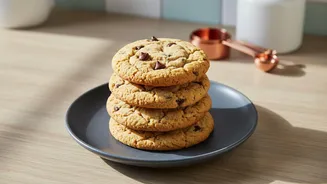
Moisture, whether from liquid ingredients or the humidity in the air, plays a critical role in texture. On a humid day, dry ingredients like flour can absorb moisture from the atmosphere, making your dough stickier and more difficult to handle. This can lead to cookies that spread too much or cakes that are overly moist and fail to set properly. Conversely, a very dry environment can suck moisture out of doughs, resulting in a dry, crumbly final product. In bread baking, humidity is essential during proofing to keep the dough supple, but in the oven, it affects crust formation. High oven humidity can delay the crust from setting, allowing for a better rise but potentially leading to a softer, paler crust if not managed correctly.
Time: The Most Patient Ingredient
Time is about more than just the number on the timer. It’s about allowing crucial processes to happen. When making bread, time allows gluten to develop, creating the chewy structure we love. Rushing this process results in a weak dough that can't trap the gas from the yeast. For tough cuts of meat, long, slow cooking times are necessary to break down tough collagen into succulent gelatin; cooking them too quickly at a high heat will only make the proteins seize up, resulting in tough, dry meat. Even resting cookie dough in the fridge for an extended time allows the flour to hydrate more fully, leading to a richer flavor and better texture. Time is an active ingredient that transforms ingredients in ways that heat and moisture alone cannot.
The Three-Way Interaction
The real challenge is that these three elements never work in isolation. Imagine baking bread on a hot, humid summer day. The extra heat and moisture in the air will cause your yeast to work much faster, shortening your proofing time. The dough will be stickier, potentially requiring a little less liquid or more flour. When it goes into the oven, the cooking process might be faster due to the higher ambient temperature and moisture levels. A recipe written for a cool, dry day won't account for this. This interplay is why a recipe that worked perfectly in winter might fail in summer. The key is to observe your dough, batter, or meat, not just the clock. Learn what a properly proofed dough looks and feels like, or the internal temperature of a perfectly cooked chicken, and you'll be able to adapt to any conditions.