


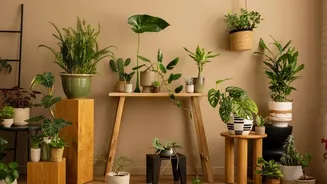
First, Decode Your Home's Light
Before you buy a single plant, become an observer of your own space. 'Bright light' doesn't just mean a room with a window. The direction that window faces is key. South-facing windows offer the most intense, high light, while north-facing ones provide
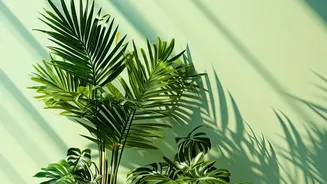
the least. East-facing windows get gentler morning sun, and west-facing windows receive strong afternoon light. A simple way to test your light is the 'shadow test'. At midday, hold your hand about a foot from where you want to place a plant. A sharp, well-defined shadow means you have bright light. A softer, fuzzier shadow indicates medium light. If the shadow is faint or barely there, you're working with low light. Understanding this is the first step to becoming a successful plant parent.
Low-Light Champions: For Dimmer Corners
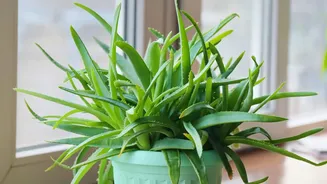
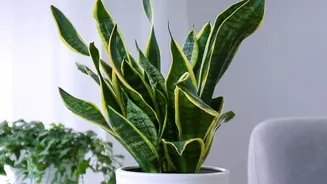
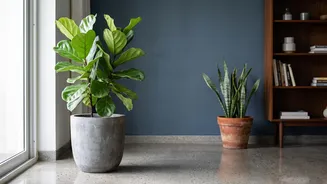
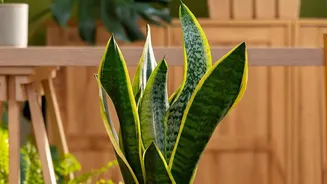
Don't let a darker room stop you from going green. Many popular houseplants are perfectly happy without direct sun. The Snake Plant (Dracaena trifasciata) is a superstar of adaptability, known for surviving in low light and with infrequent watering. While it prefers brighter, indirect light to truly flourish, it is one of the toughest and most tolerant plants for beginners. Similarly, the ZZ Plant (Zamioculcas zamiifolia) is nearly indestructible, with glossy leaves that remain lush even with minimal light and water. Another classic is the Pothos, or Money Plant, whose trailing vines are incredibly forgiving and can thrive in a range of conditions, making it perfect for shelves and hanging baskets in less-lit areas.
The Happy Medium: For Bright, Indirect Sun
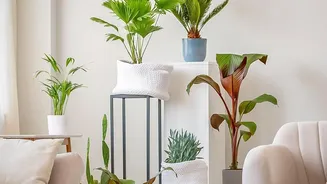
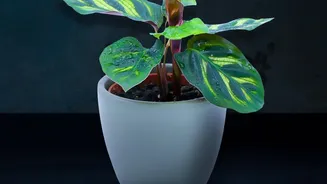
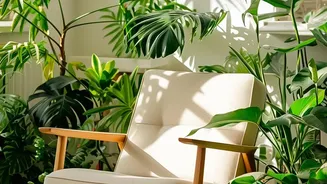
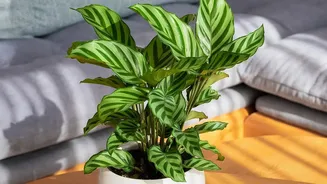
Many of the most popular 'statement' plants fall into this category. They want brightness, but not the harsh, direct rays that can scorch their leaves. This is the light you'd find a few feet back from a sunny window or near an east-facing one. The Monstera deliciosa, famous for its split leaves, thrives in bright, indirect light which encourages its iconic fenestrations to develop. Philodendrons, which come in a huge variety of shapes and sizes, are also happiest in medium light. You can also consider Calatheas, known for their stunningly patterned leaves, which prefer a spot with filtered sunlight. These plants offer a lush, tropical feel and are often the centrepiece of an indoor garden.
Sun Worshippers: For Your Brightest Spots
If you have a spot that gets at least six hours of direct sunlight, you can host a different class of plants. These are the sun-lovers that crave the bright, direct light from a south-facing window. Many succulents and cacti fall into this category, as they are adapted to arid, sunny environments. The striking Bird of Paradise (Strelitzia) is a showstopper that needs lots of light to flourish, and a Croton's vibrant red, yellow, and orange leaves become more intense with more light. Even some trees can be grown indoors in high-light conditions, such as an Indoor Olive Tree or a Ponytail Palm. Just be mindful that plants in direct sun will dry out much faster and require more frequent watering.