




Superman (1978): You'll Believe a Man Can Fly
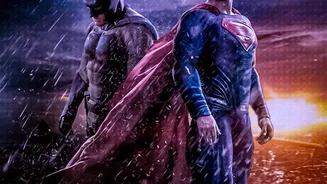
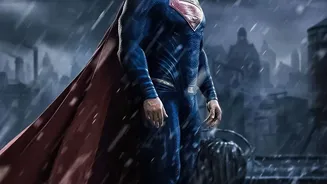
Before 1978, live-action superheroes were largely confined to low-budget TV shows and serials. Richard Donner’s “Superman: The Movie” changed everything. With a then-massive budget, its marketing promise was simple but audacious: “You’ll believe a man can
fly.” The film delivered, using groundbreaking visual effects to make Christopher Reeve’s Man of Steel soar with convincing grace. But its scope wasn’t just technical. It treated its source material with reverence, blending sincere Americana with a mythic origin story and a sweeping orchestral score. It was the first time a comic book character was given the prestige, budget, and scale of a true Hollywood epic, proving these stories could be both profitable and culturally significant.
Batman (1989): The Blockbuster as a Cultural Event
If Superman made comic book movies respectable, Tim Burton’s “Batman” made them cool. Burton traded the sunny optimism of Metropolis for a dark, gothic Gotham City, a character in its own right. The film’s genius was in its world-building and marketing. The iconic Bat-symbol was everywhere in the summer of 1989, turning the movie’s release into an unmissable global event. It redefined the scale of a blockbuster’s cultural footprint. Michael Keaton’s brooding hero and Jack Nicholson’s scene-stealing Joker created a pop culture phenomenon that went beyond the screen, influencing everything from fashion to music. It proved that a darker, more stylized vision could have massive commercial appeal.
Spider-Man (2002): The Heart of a Modern Blockbuster
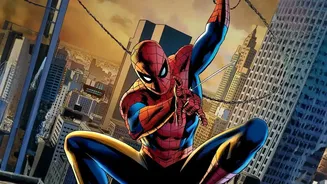
By the early 2000s, the genre was on shaky ground. Sam Raimi’s “Spider-Man” swung in and revitalized it by perfectly blending spectacle with heart. It was the first film to truly harness the power of modern CGI for superheroics, creating thrilling, kinetic web-slinging sequences that felt torn from the comic panel. But its true success was its earnest, relatable core. Tobey Maguire’s Peter Parker was a hero defined by his vulnerability and sense of responsibility. Becoming the first movie to gross over $100 million in its opening weekend, it didn’t just set a new box office record; it created the template for the modern superhero origin story, proving that dazzling effects were most powerful when anchored by human emotion.
The Dark Knight (2008): The Superhero Film as Prestige Cinema
Christopher Nolan’s sequel to “Batman Begins” elevated the genre to a new level of critical acclaim. “The Dark Knight” was less a comic book movie and more a sprawling crime epic in the vein of a Michael Mann film. Its cinematic scope was literal; it was the first major feature film to use high-resolution IMAX cameras for key narrative sequences, immersing audiences in its action with unprecedented clarity and scale. Thematically, it was dense and complex, exploring post-9/11 anxieties about surveillance, chaos, and morality. Heath Ledger’s legendary performance as the Joker won a posthumous Academy Award, cementing the film’s status as a serious work of art that demanded to be taken seriously.
The Avengers (2012): The Universe Comes Together
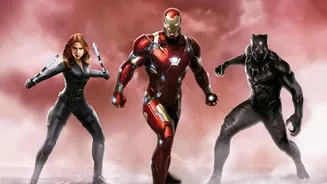
The idea of a shared cinematic universe was a massive gamble until “The Avengers” proved it could work on a spectacular scale. After years of careful setup across several solo films, director Joss Whedon brought Iron Man, Captain America, Thor, and the Hulk together. The film’s grand scope wasn’t just in its explosive final battle across New York City, but in its character dynamics. It successfully balanced multiple larger-than-life personalities, creating a team that felt earned and compelling. Earning over $1.5 billion, it solidified the Marvel Cinematic Universe (MCU) as a dominant force and changed the business of Hollywood, making the interconnected universe the new benchmark for blockbuster franchising.