





Shillong, Meghalaya: The Scotland of the East
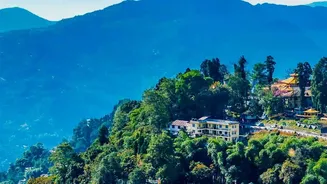
Known as the 'Scotland of the East', Shillong is a popular mountain destination that frequently boasts better air quality than India's metros. Its high altitude, abundant greenery, and regular rainfall help to naturally cleanse the air by dispersing and washing
away pollutants. Factors like minimal industrial activity and a rolling plateau geography, which prevents pollutants from getting trapped, contribute to its cleaner environment. While the Air Quality Index (AQI) can fluctuate, with some recent days showing moderate levels, it often remains in the 'Good' to 'Satisfactory' range, offering a refreshing escape. Visitors are drawn to its vibrant cafe culture, colonial-era charm, and natural attractions. Key experiences include boating on the serene Umiam Lake, visiting the cascading Elephant Falls, exploring the sacred Mawphlang forest, and taking a stroll around the picturesque Ward's Lake. For travellers looking to combine mountain beauty with cleaner air, Shillong remains a top contender.
Aizawl, Mizoram: India's Clean Air Champion
Consistently ranked as one of India's cleanest capital cities, Aizawl is a testament to what is possible when geography and community effort combine. Perched on steep hills, the city benefits from fresh air flowing through the surrounding river valleys. Its lower population density, minimal traffic, and active cleanliness initiatives play a significant role in maintaining excellent air quality, with the AQI frequently staying in the 'Good' category. In late October 2026, for example, the city recorded a 'Good' AQI of just 21. Beyond its clean air, Aizawl offers travellers stunning panoramic views, a tranquil atmosphere, and a rich cultural experience. Key attractions include visiting the Solomon's Temple, exploring the Mizoram State Museum, and taking in the views from Durtlang Hills. For those seeking adventure, there are opportunities for paragliding and rafting nearby.
Kinnaur, Himachal Pradesh: A Pristine Himalayan Escape
For those seeking truly pristine mountain air, the remote district of Kinnaur in Himachal Pradesh is an unparalleled choice. Far from urban pollution, this region is renowned for having some of the cleanest air in the country, a fact supported by past scientific studies. Its high altitude, sparse population, and vast expanses of coniferous forests act as a natural defense against pollution. The landscape is a breathtaking mix of snow-clad peaks, lush apple orchards, and picturesque villages like Sangla and Kalpa. A visit here is a deep detox, offering a complete escape from the smog and stress of city life. Clean-air experiences include trekking through stunning valleys, visiting ancient monasteries, and simply breathing in the crisp, cool air while gazing at the majestic Kinnaur Kailash range. It’s an ideal destination for travellers who prioritise nature and tranquility above all else.
Madikeri, Karnataka: Coorg's Verdant Retreat
Nestled in the Western Ghats, Madikeri is the main town in the Coorg region, famously known as the 'Coffee Capital of India'. Its landscape, dominated by sprawling coffee plantations, spice estates, and dense forests, acts as a massive green lung, naturally purifying the air. This abundance of greenery, coupled with a lack of heavy industry, helps Madikeri maintain better air quality compared to larger cities. While daily AQI can vary, it often falls within the 'Good' to 'Moderate' range, as seen in a recent reading of 54. The air here feels different—moist and fragrant with the scent of coffee blossoms and spices. Visitors can enjoy plantation walks, explore the dramatic Abbey Falls, watch the sunset from Raja's Seat, and discover the source of the river Cauvery at Talacauvery.
Munnar, Kerala: The High-Altitude Tea Haven
Perched high in the Western Ghats, Munnar is a world of rolling green hills covered in meticulously manicured tea estates. This hill station is famous not only for its scenic beauty but also for its remarkably clean air, with an AQI that often stays below 50. The high altitude and the endless canopy of tea plants, which act as a natural air filter, contribute to incredibly low levels of particulate matter. The air is crisp, cool, and carries the sweet aroma of tea leaves. A morning walk through the misty Eravikulam National Park, home to the endangered Nilgiri Tahr, or a visit to the Top Station viewpoint offers a rejuvenating experience for the lungs and the soul. Munnar is a perfect example of a commercial tourist destination that has managed to preserve its environmental purity.
Gangtok, Sikkim: An Eco-Friendly Capital
Gangtok, the capital of Sikkim, is another Himalayan city that consistently features on lists of places with the best air quality in India. With an AQI that regularly registers in the 'Good' range, the city's clean air is a result of its high altitude and strong pro-environment policies, including restrictions on traffic and a focus on cleanliness. The city offers stunning views of Mount Kanchenjunga and serves as a gateway to the region's breathtaking natural beauty. Visitors can find tranquility at the serene Rumtek and Enchey monasteries, enjoy the vibrant atmosphere of MG Marg, or take a cable car ride for panoramic views of the valley. For a truly immersive nature experience, a trip to the nearby Tsomgo Lake is a must.