






What Exactly is Zone 2 Cardio?
Zone 2 cardio refers to exercising at a low-to-moderate intensity, typically at 60% to 70% of your maximum heart rate. Think of it as the “conversational pace.” You should be able to hold a full conversation without gasping for air, but singing a song
would feel difficult. Unlike high-intensity interval training (HIIT) that leaves you breathless, Zone 2 is about steady, sustainable effort. The goal isn't exhaustion; it's building a strong aerobic base, which is the foundation of cardiovascular fitness and endurance. This type of training primarily uses fat for fuel, making it incredibly efficient for improving metabolic health.
Why It Matters for Desk Workers
A sedentary lifestyle is linked to a higher risk of metabolic issues and cardiovascular disease. Zone 2 cardio directly counteracts these effects. By training your body to become better at using fat for energy, it improves metabolic flexibility, which can be diminished by long periods of sitting. It also strengthens the heart muscle, improves circulation, and can lower your resting heart rate over time—all key markers of long-term vitality. Furthermore, because it's less taxing on the body, the risk of injury is lower and recovery is faster, making it a habit you can actually stick with. This consistency is crucial for seeing real, lasting benefits.
Finding Your Personal Zone 2
You don’t need a fancy lab to find your Zone 2. There are two simple methods: 1. The Talk Test: This is the easiest and most intuitive method. During your activity, try to speak a full sentence. If you can do so comfortably, you're likely in Zone 2. If you can only get out a few words at a time, you’re pushing too hard. If you can sing easily, you're probably in Zone 1 and need to increase the intensity slightly. 2. The Heart Rate Formula: A more precise method involves a simple calculation. First, estimate your maximum heart rate (MHR) by subtracting your age from 220. For example, if you are 40 years old, your estimated MHR is 180 beats per minute (bpm). Your Zone 2 range would then be 60% to 70% of that number, which is 108 to 126 bpm. A fitness watch or chest strap can help you monitor this in real time.
Your Four-Week Transition Plan
Transitioning from a sedentary state requires a gradual approach. The key is to build consistency before intensity or duration. Here's a sample plan: Week 1-2: Focus on Habit Formation. Aim for two to three sessions of 20-30 minutes each. The goal is simply to get moving and stay within your Zone 2. Don't worry about speed or distance. Just show up. Week 3-4: Increase Duration. Once the habit feels established, begin extending your sessions. Add 10-15 minutes to each workout, aiming for 30-45 minutes per session. Maintain the same number of sessions per week. * Week 5 and Beyond: Build Towards the Goal. The general recommendation for moderate-intensity cardio is around 150 minutes per week. You can achieve this with three 50-minute sessions or four sessions of roughly 40 minutes. Listen to your body and adjust as needed. Some people find success integrating movement into their workday with under-desk treadmills or bikes.
Best Exercises for Beginners
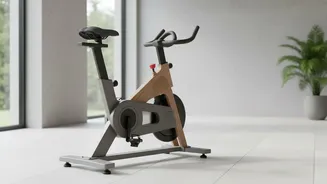
The best Zone 2 exercise is one you enjoy and can do consistently. For those transitioning from a desk job, low-impact options are ideal to prevent strain on joints. Brisk Walking: A brisk walk, especially with a slight incline on a treadmill, is one of the most accessible ways to hit Zone 2. Stationary Cycling: Cycling allows you to maintain a steady heart rate with zero impact on your knees and ankles. Elliptical or Rowing: These machines provide a full-body workout while remaining low-impact. Light Jogging: For those with a bit more fitness, a slow jog can be a great Zone 2 activity. If your heart rate spikes, alternate between jogging and walking.