






The Return of the Statement Sofa
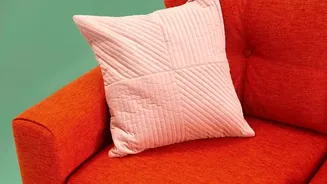
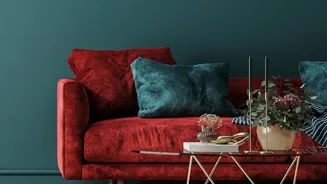
Forget years of understated greys and beiges dominating showrooms. The trend for 2026 is about personality and warmth, with sofas appearing in rich, saturated colours. Think deep jewel tones like emerald and sapphire, warm earth tones like terracotta
and rust, and even bold wine reds. This revival isn't just about colour; it's also about texture and shape. Curvy silhouettes, plush velvets, and tactile bouclé fabrics are turning sofas from simple furniture into the undisputed centrepiece of the home. While a neutral sofa can feel safe, a bold choice offers a unique opportunity to inject character and joy into your daily life. It’s an investment in your home’s atmosphere, but one that requires the right knowledge to protect.
First, Decode Your Fabric's Cleaning Tag
Before you ever face a spill, the most critical step is to identify your sofa's cleaning code. This single letter, usually found on a tag under a cushion or on the furniture's frame, is the manufacturer's instruction manual for fabric care. Ignoring this code is the fastest way to turn a small mishap into a permanent disaster. Using water on a fabric that requires a solvent, for example, can lead to irreversible water rings, shrinkage, or discolouration. These codes are standardized across the industry and are your primary guide to safe cleaning.
The Four Codes: W, S, W/S, and X
Understanding these four letters is the key to sofa maintenance. 'W' stands for Water-Based Cleaner. This is the most common code and means you can use water-based shampoos or foam cleaners. However, this doesn't mean the fabric is machine washable. Use distilled water to avoid mineral stains. 'S' stands for Solvents Only. This means the fabric must be cleaned with a water-free dry-cleaning solvent. Using water on an 'S' code fabric is a recipe for disaster. Always ensure good ventilation when using solvents. 'W/S' means you can use either a water-based or solvent-based cleaner. It’s best to match the cleaner to the stain type—water-based for things like coffee and juice, and a solvent for oil-based stains like makeup or grease. 'X' means Vacuum Only. These fabrics are extremely delicate. Do not use any liquid or foam cleaners. Your only line of defence is regular vacuuming with a soft brush attachment. For any significant soiling, you must call a professional.
Everyday Habits for a Lasting Sofa
Proper care isn't just about tackling emergencies; it's about prevention. Regular maintenance is crucial to extending the life and beauty of your sofa. First, vacuum your upholstery weekly using a proper attachment to remove the dust, pet dander, and crumbs that can degrade fabric over time. If you have removable cushions, fluff, flip, and rotate them regularly. This ensures even wear and prevents one side from becoming noticeably faded or flattened. Finally, be mindful of sunlight. Direct UV exposure is a primary cause of fabric fading, so try to position your bold sofa away from windows that get harsh, direct sun, or consider using sheer curtains to filter the light.
The Golden Rule of Stain Removal
When a spill inevitably happens, your first instinct is your most important action. The golden rule is to blot, never rub. Rubbing grinds the spill deeper into the fabric's fibres and can damage the material itself. Use a clean, dry, white cloth to gently press on the spill and absorb as much as possible. Once you’ve blotted, you can proceed with the appropriate cleaning agent for your fabric's code. Always test any cleaner on a hidden, inconspicuous spot first to ensure it doesn’t cause fading or damage. Apply the cleaner to a cloth, not directly to the upholstery, and work from the outside of the stain inward to prevent it from spreading.
When to Call a Professional Cleaner
While regular maintenance and proper spot cleaning can handle most situations, there are times when a DIY approach isn't enough. For large, set-in stains, or for fabrics with an 'X' or 'S' code that you're not comfortable treating yourself, it's best to call a professional upholstery cleaner. They have access to equipment and specialised treatments, such as hot water extraction for 'W' code fabrics or specific dry-cleaning solvents, that can deeply clean and refresh your furniture without risk. An annual professional cleaning is a wise investment to keep your sofa looking its best and remove the deep-seated allergens and grime that routine vacuuming can't reach.