





A Monsoon of Misery Elsewhere
The 2026 monsoon season has been particularly harsh on traditional holiday destinations in states like Himachal Pradesh and Uttarakhand. Reports of blocked highways, flash floods, and devastating landslides have dominated headlines. Just this month, heavy
rains triggered over 120 road blockages in Uttarakhand, while parts of Himachal saw landslides and bridge collapses, forcing authorities to issue red alerts and advise against travel. This recurring and dangerous pattern has created a strong 'push' factor, prompting safety-conscious tourists to desperately search for alternatives that won't put their lives at risk during their much-awaited vacation.
The Rain Shadow Sanctuary
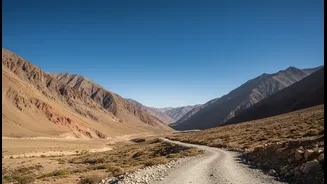
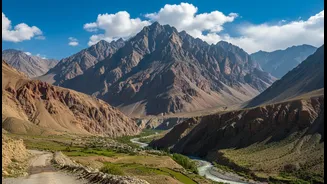
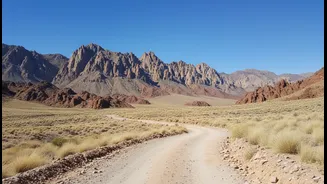
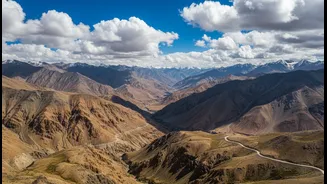
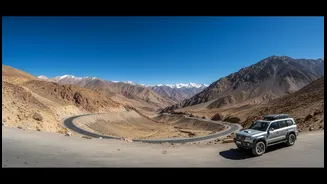
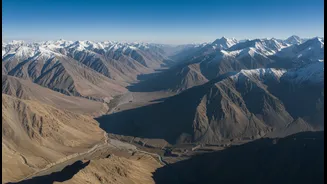
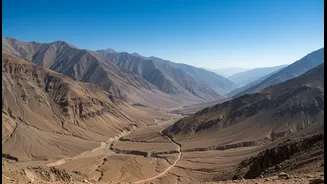
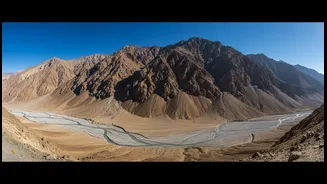
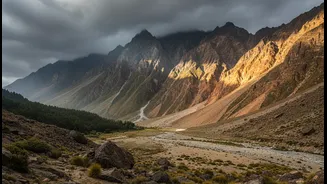
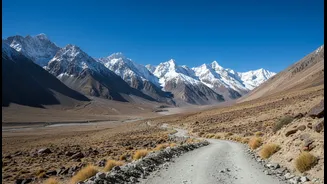
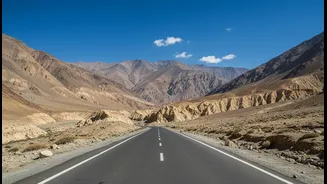
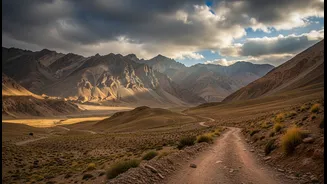
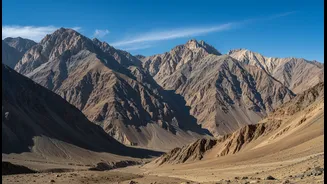
Enter Spiti and Ladakh. The primary reason for their appeal lies in a simple geographical phenomenon: the rain shadow effect. These high-altitude cold deserts are located on the leeward side of the mighty Himalayan ranges. The mountains act as a colossal barrier, blocking the moisture-laden monsoon clouds that cause widespread rain across the rest of the country. As a result, while other regions are drenched, Spiti and Ladakh receive minimal rainfall, experiencing dry, sunny days that are perfect for travel and exploration. This makes them appear as idyllic, 'landslide-free' sanctuaries during the treacherous monsoon months.
A Boom in the Barren Lands
Travel agencies and tour operators have been quick to capitalize on this trend, marketing Spiti and Ladakh as the perfect monsoon getaways. While concrete, real-time booking numbers for July 2026 are still being compiled, anecdotal evidence and reports from previous seasons suggest a significant pivot in travel patterns. However, it's a complex picture. Some recent data from 2025 showed a surprising dip in domestic tourism in Lahaul-Spiti, attributed to a combination of factors including weather disruptions and changing preferences. Yet, the overarching narrative of safety continues to drive interest. This creates a perception of a booking spike as travelers, spooked by disasters elsewhere, consolidate their plans towards these regions.
Not Without Its Own Risks
The label 'landslide-free' is a dangerous oversimplification. While these regions are safer from monsoon-induced slides, they are not immune to geological instability. Spiti Valley, for instance, is in a seismically active zone with fragile geology, making it prone to landslides for other reasons. Furthermore, Lahaul-Spiti has been identified as highly vulnerable to avalanches. The journey itself can be perilous; the approach roads, especially from Manali, pass through areas that are highly susceptible to landslides and flash floods. The biggest risk for tourists, however, is often acute mountain sickness (AMS) due to the high altitude, a factor that many unprepared visitors tend to underestimate in their quest for a safe holiday spot.
The Cost of a Sudden Influx
This sudden surge in popularity comes at a heavy price for these fragile ecosystems. Ladakh, a cold desert with less than 100mm of annual rainfall, derives its water from finite glacial melt. A massive influx of tourists puts an immense strain on these precious water resources. The region is already grappling with the challenges of overtourism, including mountains of plastic waste, air pollution from tourist vehicles, and the replacement of traditional, eco-friendly buildings with modern concrete structures. Irresponsible tourist behaviour, such as off-roading in sensitive areas, further damages the delicate biodiversity.