








Decoding the Planting Window
Before you dismiss this as agricultural jargon, let’s break it down. The 'rain-fed planting window' is simply nature's green light for gardening. It's that perfect period when the soil has enough moisture from rainfall, and temperatures are just right
for seeds to sprout and thrive without needing constant watering. In Bengaluru, this magic window swings wide open with the arrival of the southwest monsoon, typically from June to September. The scorching summer heat gives way to cooler days, with temperatures hovering between a pleasant 20 and 28 degrees Celsius, and the air becomes humid. These conditions create a natural greenhouse effect, reducing plant stress and encouraging robust growth, making it the ideal time to get your hands dirty.
Why It Matters in Modern Bengaluru
Bengaluru's 'Garden City' tag wasn't just a marketing slogan; it was a reality built on a delicate balance with nature, including thousands of lakes and a reliance on seasonal rains. Today, rapid urbanization puts immense pressure on this ecosystem. Concrete surfaces replace porous earth, leading to water runoff and flooding, while the urban heat island effect intensifies. Engaging with the planting window is a small but powerful way to push back. Cultivating green pockets in our homes and communities helps improve air quality, supports local biodiversity (like bees and butterflies), reduces temperatures locally, and re-establishes a connection to the city’s ecological heritage. It’s about actively participating in the city's health, not just living in it.
Adapting to Unpredictable Skies
Climate change is making Bengaluru’s weather patterns more volatile. Instead of steady, predictable monsoons, we are seeing more instances of long dry spells punctuated by sudden, intense downpours. This unpredictability makes the traditional planting window more crucial than ever. By planting at the start of the monsoon, you give your plants the best chance to establish strong roots that can withstand both heavy rain and potential dry gaps later in the season. Working with this window is a climate-adaptive strategy. It means relying on the rain when it’s most likely to fall, conserving precious piped water, and growing plants that are naturally suited to thrive in these specific conditions.
From Concrete Jungle to Urban Farm
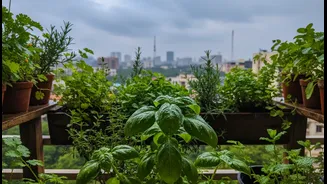
Now for the best part: you don’t need an ancestral farm to do this. This is for everyone, from the student in a PG to the young professional in a high-rise. Your patch of green can be a couple of pots on a windowsill, a few planters on a small balcony, or a collection of grow bags on a terrace. The urban gardening movement in Bengaluru is proof that space is not the primary barrier; intention is. Starting small makes the process manageable and rewarding. The goal isn't to become a full-time farmer overnight but to experience the joy of nurturing life, harvesting something you grew yourself, and creating a tiny oasis amidst the city's hustle.
Your Beginner's Monsoon Planting Guide
Ready to start? The key is choosing plants that love the monsoon's humidity and moisture. Here are some beginner-friendly options that do exceptionally well in Bengaluru's rainy season. For vegetables, try tomatoes, chillies, beans, and leafy greens like spinach (palak) and amaranth. They are relatively low-maintenance and yield quickly. If you want fresh flavours for your kitchen, herbs like coriander (dhania), mint (pudina), and basil are perfect for small pots. For a splash of colour, nothing beats the Rainy Lily, which bursts into bloom after the first showers, or the vibrant, multi-coloured leaves of the Coleus plant, which thrives in the high humidity. Always ensure your pots have good drainage to prevent waterlogging during heavy downpours.