


A Stitch in Time
For many, a vintage saree is more than just six yards of fabric; it's a trove of memories. It might be your mother’s wedding Banarasi or your grandmother’s favourite printed silk, now tucked away in a trunk. Instead of letting these treasures fade in obscurity,
upcycling them into cushion covers gives them a new life and a place of honour in your daily life. This practice transforms an heirloom from a stored memory into a functional piece of art that you can see and touch every day. Each cushion tells a story, carrying the legacy of the women in your family and adding a deeply personal layer to your home that no store-bought item ever could. This is not just recycling; it's the preservation of personal history.
Eco-Chic Comes Home
Beyond the emotional appeal, this trend is a powerful statement in sustainable living. The textile industry is a major contributor to waste, and upcycling is a creative and effective way to combat this. By reusing existing fabrics, you reduce the demand for new resources, lower your carbon footprint, and prevent beautiful textiles from ending up in landfills. Choosing to upcycle is a conscious decision to participate in a circular economy, where materials are kept in use for as long as possible. It’s a move away from fast fashion and disposable decor towards a more mindful, eco-friendly lifestyle that is both stylish and responsible.
A Pop of Tradition
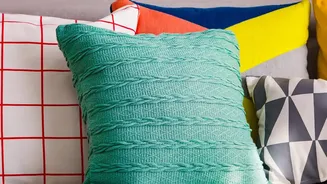
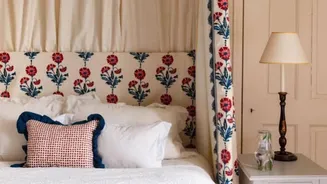
Metro living rooms often favour clean lines and contemporary aesthetics, which can sometimes feel impersonal. This is where upcycled saree cushions truly shine. The rich colours, intricate zari work, and diverse patterns of Indian sarees—from the regal sheen of Kanjeevaram silks to the bright bandhani prints—can provide a stunning contrast to modern furniture. A single, well-placed cushion with a decorative pallu or an ornate border can become the focal point of a room, adding a splash of colour, texture, and Indian heritage. It’s a sophisticated way to blend tradition with modernity, creating a space that feels both globally chic and deeply rooted.
Fabric, Feel, and Function
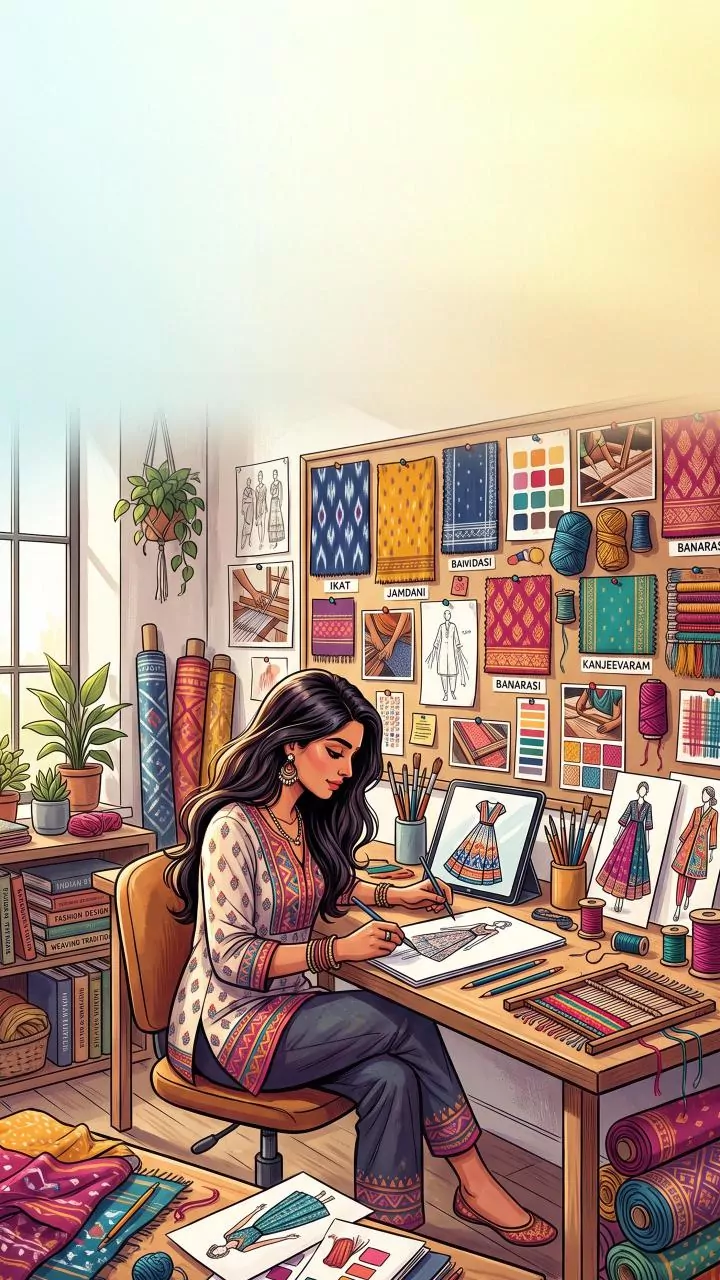
Not all sarees are created equal when it comes to durability. For cushion covers that will see daily use on a sofa, sturdy fabrics like silk, cotton, or cotton-silk blends are ideal. These materials can withstand wear and tear while retaining their beauty. The heavy weaves of Banarasi or Kanjeevaram sarees are particularly well-suited for creating luxurious, structured cushions. Lighter fabrics like chiffon or georgette are more delicate and better suited for decorative cushions that won't be handled as much. When choosing a saree for your project, consider its condition, the strength of the weave, and the part of the saree you want to highlight—often, the heavily decorated 'pallu' makes for a spectacular cushion front.
Your Project, Your Way
Embarking on this creative journey can take two paths. For the hands-on and crafty, turning a saree into cushion covers can be a rewarding DIY project. There are numerous online tutorials to guide you through the process of measuring, cutting, and sewing. However, if your sewing skills are not quite up to the task, or if you're working with a particularly precious heirloom, seeking professional help is a great option. Today, many boutique designers and local services across India specialize in repurposing and upcycling textiles. These experts can artfully transform your cherished sarees into beautifully finished cushion covers, quilts, and other home decor items, ensuring a professional and polished result.