





The Race Against Fading Ink
In kitchens and keepsake boxes across India, a quiet race against time is underway. We all have them: Grandma's perfectly spiced biryani, an aunt's secret pickle recipe, or a father's instructions for a Sunday mutton curry. These recipes are often jotted
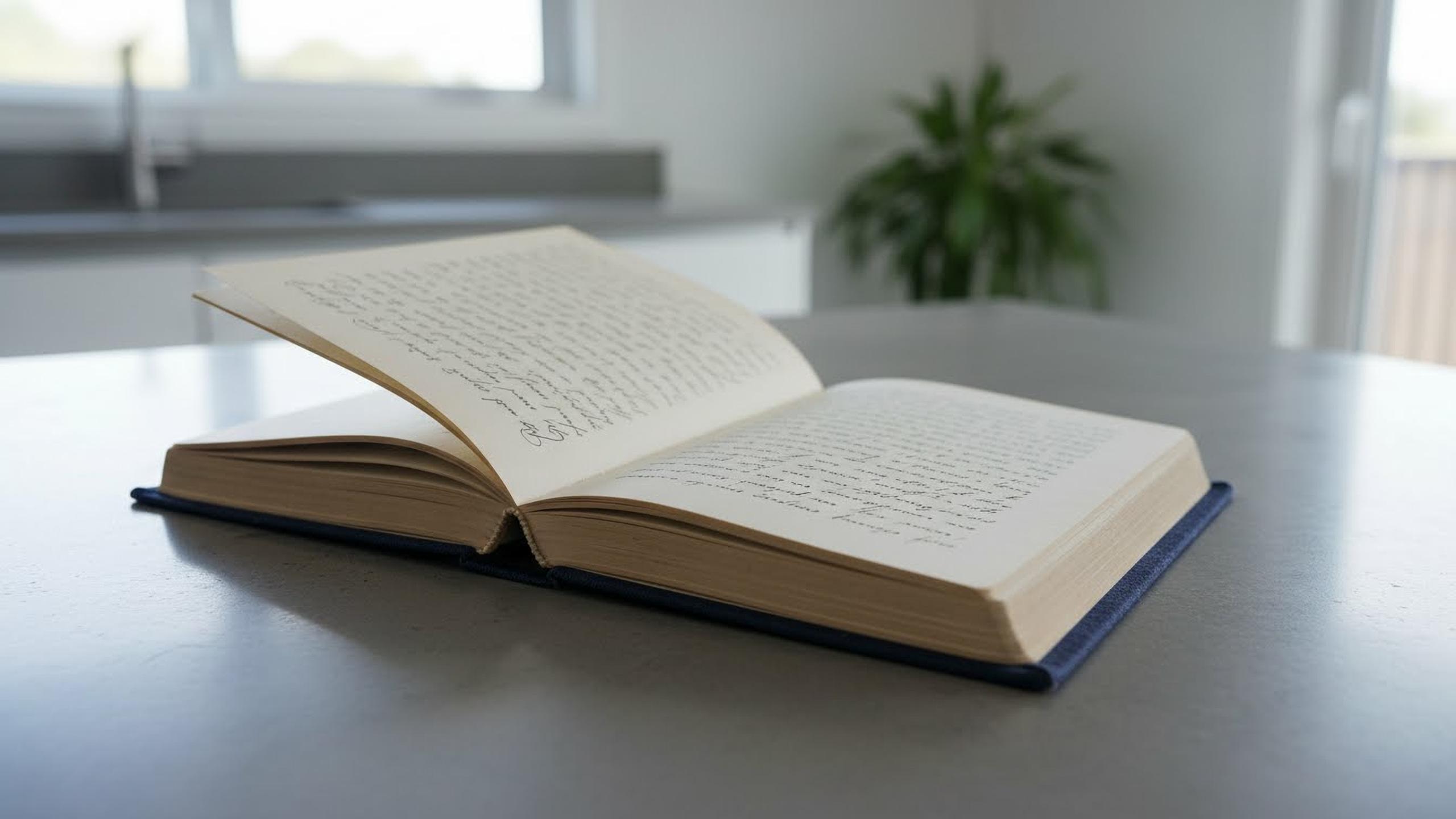
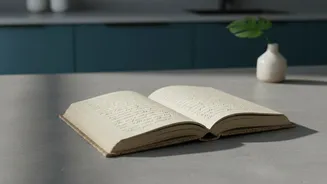
down on loose sheets of paper, in the back of old diaries, or on yellowed index cards. They are more than just instructions; they are tangible pieces of family history, each smudge and annotation telling a story. But paper deteriorates, ink fades, and these precious documents are vulnerable to being lost forever. For food bloggers, whose work often revolves around sharing personal and traditional food stories, the risk of losing these primary sources is a constant worry. Digitising them is not just about backup; it is an act of cultural preservation that ensures these flavours and the memories attached to them can be passed down.
What Exactly Is Vision AI?
Enter Vision AI. While the term might sound like something from a science fiction film, its application here is deeply practical. At its core, Vision AI is a field of artificial intelligence that trains computers to 'see' and interpret the visual world. Think of it as a super-powered version of a scanner. Instead of just creating an image of a document, Vision AI uses a technology called Optical Character Recognition (OCR) to read and understand the text within that image, even if it's handwritten. Modern AI models are becoming increasingly sophisticated, learning to decipher messy cursive, faded lettering, and even notations written in the margins—challenges that would stump basic OCR software. For a food blogger, this means an AI can look at a photo of an old recipe card and not just see a picture, but actually read the words on it.
From Scrawled Notes to Searchable Text
The process is surprisingly straightforward for the user. A blogger simply takes a clear photograph of the handwritten recipe. This image is then uploaded to a service or app that uses Vision AI. The AI gets to work, analysing the image to identify the characters and words. It converts the handwriting into digital, editable text. Some advanced platforms can even go a step further, automatically structuring the chaotic notes into a clean, digital format. The AI can identify which part is the ingredient list, which part contains the step-by-step instructions, and which are the cooking times or serving sizes. What used to be a time-consuming manual transcription job—typing out each word while squinting at faded ink—can now be done in minutes, transforming a fragile piece of paper into a durable, editable digital asset.
More Than Just Transcription
The benefits of digitising recipes with AI extend far beyond simple preservation. Once a recipe is in a digital format, it becomes infinitely more useful. It's searchable, meaning a blogger can instantly find every recipe that uses a specific ingredient like 'tamarind' or 'jaggery'. Digital recipes can be easily shared with family members or a global audience through a blog. They can be organised and tagged by cuisine, course, or dietary restriction. AI tools can even assist with translation or suggest modern ingredient alternatives for rare or historical items. This transforms a static collection of old notes into a dynamic, living archive that can be built upon. Instead of being locked away in a drawer, family culinary traditions can be brought into the digital age to be cooked, shared, and celebrated.
Navigating the Imperfections
While powerful, Vision AI is not flawless. The accuracy of the transcription depends heavily on the quality of the original document. Extremely faint ink, heavy staining, or highly unusual handwriting can still pose a challenge for the AI. Most tools that perform this function will produce a result that still requires a human touch for review and correction. Bloggers should treat the AI-generated text as a very good first draft, not a perfect final copy. It’s crucial to compare the digital version against the original image to catch any errors in ingredient quantities or instructions, as a small mistake could have a big impact on the final dish. This collaboration between human oversight and machine efficiency yields the best results, ensuring the preserved recipe is truly authentic.