


The All-Important Missing Ingredient: Fiber
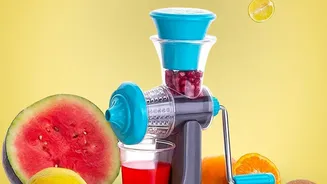
The single biggest difference between drinking a piece of fruit and eating it whole is fiber. The cold-pressing process uses a hydraulic press to squeeze liquid from fruits and vegetables, separating the juice from the skin and pulp. While this method
effectively preserves many heat-sensitive vitamins and enzymes, it leaves behind most of the dietary fiber. This is a significant loss because fiber is crucial for digestive health and plays a key role in making you feel full and satisfied. More importantly, the fiber in whole fruit acts like a sponge, slowing down the absorption of sugar into your bloodstream. Without it, you're left with a drink that behaves very differently in your body.
The Concentrated Sugar Rush
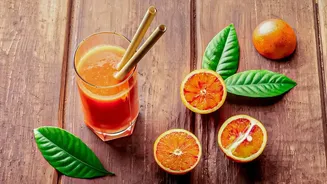
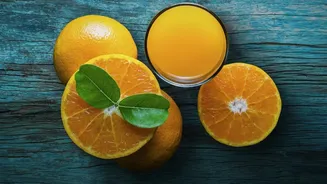
When you strip away the fiber, you're left with what experts essentially call sugar water, even if it's naturally occurring. A single glass of juice often contains the liquid from several pieces of fruit. You might easily drink the juice of four oranges in a minute, but you probably wouldn't eat four whole oranges in one sitting. This concentrates the sugar (fructose) and calories. Without the fiber to slow things down, this sugar hits your bloodstream rapidly, causing a sharp spike in blood glucose and insulin levels. This is why drinking juice can sometimes leave you feeling hungry again shortly after, whereas eating an apple provides more sustained energy and satiety. Some studies suggest that while whole fruit consumption is linked to a lower risk of type 2 diabetes, high fruit juice intake may be associated with an increased risk.
More Than Just Juice: What You Lose
Beyond fiber, the skin and pulp of fruits contain other beneficial compounds. Many important phytochemicals and antioxidants are concentrated in these parts of the fruit, which are discarded during the juicing process. Eating the whole fruit provides a synergistic effect, where fiber, vitamins, and other plant compounds work together for optimal health benefits, including supporting a healthy gut microbiome. While cold-pressed juice is a better option than highly processed, sugar-sweetened fruit drinks, it doesn't offer the same complete nutritional package as its whole-food source. The chewing process itself also sends signals to your brain that you are becoming full, a sensation you don't get from quickly drinking a beverage.
The Right Place for Juice in Your Diet
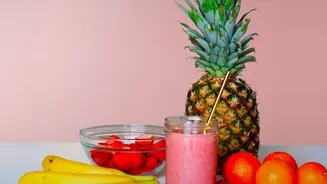
This doesn't mean cold-pressed juice has no place in a healthy diet. Experts view it as a treat or a convenient supplement, not a staple. It can be a good way to get a quick, easily absorbable dose of vitamins and minerals, especially for those who struggle to eat enough whole fruits and vegetables. Many nutritionists recommend opting for juices that are primarily vegetable-based to lower the sugar content. If you enjoy fruit juice, consider it an occasional indulgence rather than a daily health habit. The recommendation is often to limit intake to a small glass (around 150ml) per day and to prioritise eating your produce whole whenever possible. Another option is a smoothie, which is made by blending the entire fruit, thereby retaining all of its valuable fiber.