






The Allure of the Jam-Packed Itinerary
In a world of endless travel inspiration on social media, the pressure to maximise every moment of a holiday is immense. The fear of missing out (FOMO) is a powerful motivator, driving us to cram as many cities, sights, and experiences as possible into
a short period. The logic seems sound: if we only have two weeks, why not see three countries? This approach turns a holiday into a checklist, where the goal is to tick off as many boxes as possible. We collect photos in front of famous landmarks and rush from one airport to the next, convinced that this is the best way to make the most of our precious time off. The initial excitement of planning such a whirlwind tour is undeniable, promising a grand adventure and stories to tell for years to come.
The Hidden Costs of 'More'
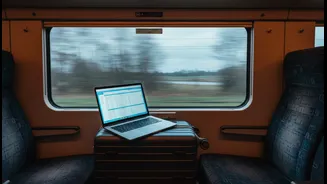
However, this fast-paced style of travel often comes with hidden costs. The constant motion—packing and unpacking, navigating airports, checking in and out of hotels—is a significant source of stress. This is often referred to as travel fatigue or burnout, a state of physical and mental exhaustion that can creep in when an itinerary is too demanding. Instead of feeling refreshed, many return home more depleted than when they left. The relentless schedule leaves little room for spontaneity or genuine relaxation. Each location becomes a fleeting backdrop rather than a place to be experienced, and memories can blur into a montage of transit and superficial sightseeing. Studies show that this kind of over-scheduling can prevent the very psychological benefits, like stress reduction, that a vacation is supposed to provide.
The Case for Slow Travel
The antidote to travel burnout is a philosophy known as 'slow travel'. It’s a mindset that prioritises connection over speed and quality over quantity. Instead of a whirlwind tour, slow travel encourages staying in one place for an extended period. This doesn't mean doing nothing; it means experiencing a destination more deeply. The benefits are numerous. By slowing down, you give yourself the time to genuinely unwind and de-stress. You can immerse yourself in the local culture, build relationships, and discover hidden gems that aren't in the guidebooks. It also allows for flexibility; if you wake up and want a lazy morning at a local café instead of rushing to a museum, you can. This approach often leads to more authentic and memorable experiences.
How to Embrace a 'Fewer Stops' Mindset
Making the shift to slower travel requires a change in perspective. Start by choosing one primary destination that truly fascinates you. Research its different neighbourhoods, day-trip possibilities, and local culture. This helps you realise how much there is to explore in a single area. To resist the urge to add more cities, remind yourself that the goal is relaxation and deep experience, not just seeing things. When planning, build downtime into your schedule. Don't fill every hour of every day. Leave room for spontaneous discoveries, like wandering down an interesting-looking street or spending an afternoon people-watching in a park. The key is to trade the pressure of a checklist for the freedom of exploration.
Making the Most of a Single Destination
Once you're there, settle in. Unpack your bags. Find a favourite coffee shop or a go-to spot for breakfast. Get to know the rhythm of the place. Instead of a packed sightseeing schedule, you could spend a morning at a local market, take a cooking class, or explore a park. By staying in one place, you can visit popular attractions at off-peak times to avoid crowds. You have the luxury of returning to a favourite spot, perhaps to see it in a different light. This creates a sense of familiarity and comfort that can significantly reduce travel anxiety and make a place feel like a home away from home. You'll find that these small, authentic moments are often the most cherished memories you bring back.