





The Overture of the Storm
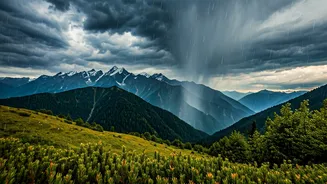
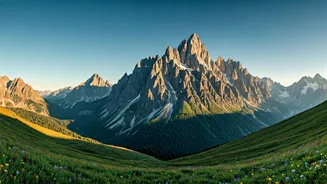
It begins not with a drop, but with a change in the light. The sharp, high-altitude sun softens, diffused by a veil of high-altitude haze. The vibrant greens of the pine-covered slopes deepen into a moody emerald. A sudden wind, cool and carrying the scent
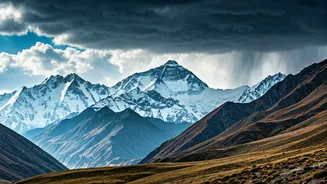
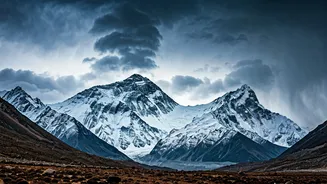
of wet earth and ozone, rushes down the valleys, rattling prayer flags and corrugated tin roofs. This is the overture. Soon, the clouds, which had been clinging to distant peaks, gather into a formidable grey armada. They don't just cover the sky; they descend, swallowing mountaintops whole, turning the vast Himalayan landscape into an intimate, enclosed theatre for the drama about to unfold. When the first fat drops of rain hit the dusty ground, they are a prelude to a deluge that can last for days.
The Science of a Mountain Deluge
What makes these storms so spectacular—and dangerous—is a meteorological phenomenon known as orographic lift. As moisture-laden monsoon winds travel from the Indo-Gangetic Plain, they encounter the formidable barrier of the Himalayas. With nowhere to go but up, the air is forced to rise rapidly. As it ascends, it cools, and its ability to hold moisture plummets. The result is a massive, rapid condensation of water vapour into thick, rain-heavy clouds. This process doesn't just cause rain; it supercharges it. The steepness of the terrain forces an incredibly efficient 'squeezing' of moisture from the atmosphere, leading to the intense, concentrated downpours that define a mountain monsoon. A weather system that might produce moderate rain over the plains can unleash a torrential flood when it hits the mountains.
A Force of Creation and Destruction
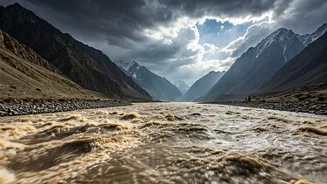
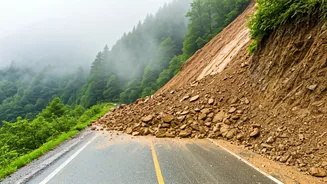
For millennia, these rains have been the lifeblood of the subcontinent. They replenish the glaciers and feed the great rivers—the Ganga, Yamuna, and Brahmaputra—that sustain hundreds of millions of people downstream. The monsoon is a promise of renewal, a necessary cycle that nourishes agriculture and fills reservoirs. But in the mountains, this life-giving force has a terrifyingly destructive alter ego. The same relentless downpours that will water crops in Punjab can trigger catastrophic landslides in Himachal Pradesh or Uttarakhand. Saturated soil and loose rock, perched on steep slopes, can give way without warning, sweeping away roads, homes, and lives. Rivers, constrained by narrow gorges, can swell into raging torrents in a matter of hours, causing flash floods that reshape the very landscape.
Living on the Edge
For the people who call these mountains home, the monsoon is a season of vigilance. Life adapts to the rhythm of the storm. Travel is curtailed, essential supplies are stocked up, and a watchful eye is kept on the behaviour of local streams and hillsides. The sound of the rain becomes a constant companion—sometimes a soothing lullaby, at other times a menacing roar. Disaster management agencies and local authorities are on high alert, monitoring weather forecasts from the India Meteorological Department (IMD) and preparing for evacuations. But the sheer unpredictability and localised intensity of cloudbursts—extreme rainfall in a very small area—can overwhelm even the best-laid plans. It is a testament to the resilience of mountain communities that they navigate this perilous season year after year, with a deep-seated respect for the power of the sky.
An Intensifying Spectacle
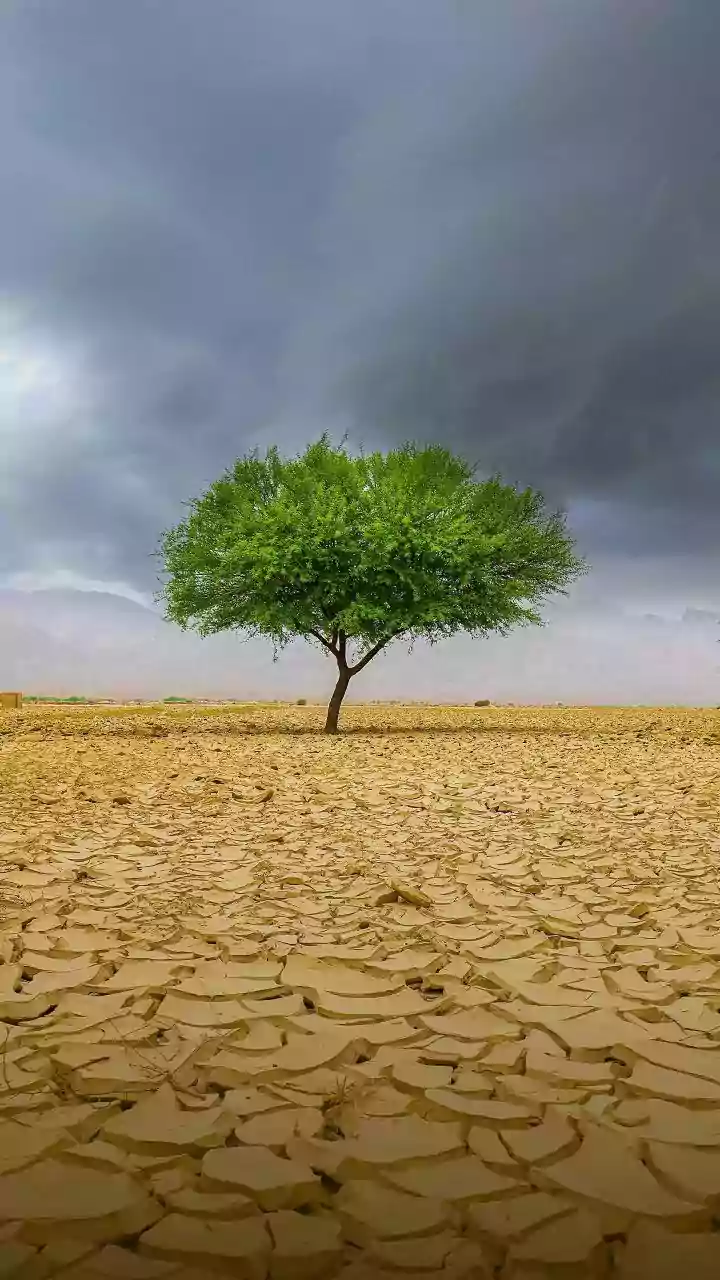
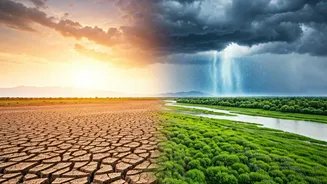
As the global climate changes, scientists warn that these spectacular storms are becoming more erratic and extreme. The delicate balance is being disrupted. Warmer temperatures allow the atmosphere to hold more moisture, potentially leading to even heavier downpours when the conditions are right. Weather patterns are becoming less predictable, with long dry spells broken by sudden, violent bursts of rain. The spectacle is growing fiercer, and the risks are increasing. The awe-inspiring beauty of a mountain storm is now tinged with a new layer of anxiety, a reminder that this ancient natural wonder is itself being altered by human activity.