



The Invitation: A Seat at the Lunar Table
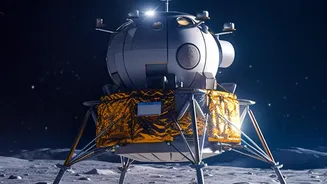
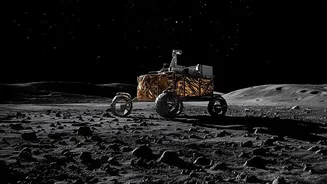
During the ninth U.S.-India Civil Space Joint Working Group meeting in Bengaluru, NASA extended an invitation for ISRO to participate in its ambitious Moon Base program. This initiative, a cornerstone of the broader Artemis program, aims to establish
a permanent human outpost near the Moon's South Pole, a region believed to be rich in water ice. The invitation builds directly on India's decision to join the Artemis Accords in 2023, a U.S.-led framework for responsible and peaceful space exploration. While specific details of ISRO's contribution are still being discussed, the move signals a shift from ad-hoc projects to a deeper, more integrated partnership focused on creating a sustained human presence on the lunar surface.
A Partnership Decades in the Making
This lunar collaboration didn't come out of nowhere. It’s the culmination of years of growing trust and successful joint ventures. The most prominent example is the NASA-ISRO Synthetic Aperture Radar (NISAR) mission, which launched last year. This sophisticated Earth-observing satellite, featuring instruments from both agencies, provides critical data on climate change, natural disasters, and resource management. The successful launch and operation of NISAR, the world's most expensive Earth-imaging satellite, demonstrated that the two agencies could effectively integrate complex technologies and share responsibilities on a major project. This history of cooperation, along with a strategic framework for human spaceflight, paved the way for taking the next logical step: going to the Moon together.
Why NASA Needs India on the Moon
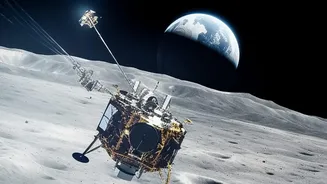
For the United States, bringing India into the fold is a major strategic win. ISRO has a proven track record of remarkable and cost-effective lunar exploration. Its Chandrayaan-3 mission made India the first and only nation to successfully soft-land a spacecraft near the lunar south pole in 2023, a technically challenging feat that established its expertise in the very region NASA is targeting. India’s reputation for “frugal innovation” offers a valuable model for sustainable space exploration. More importantly, in a geopolitical landscape increasingly defined by competition with China, India is a critical democratic partner. By strengthening the Artemis alliance, which now includes over 70 nations, the U.S. is building a broad coalition to counter China's own lunar ambitions, which include a planned robotic and eventually crewed base with Russia.
What India Gains from the Alliance
The benefits for India are equally profound. Partnering with NASA provides access to cutting-edge technology, vast financial resources, and decades of human spaceflight experience that would take ISRO years to develop independently. This collaboration accelerates India’s own ambitious goals, which include a lunar sample-return mission (Chandrayaan-4) and landing an Indian astronaut on the Moon by 2040. Joining the Moon Base program elevates India’s status as a major space power, giving it a key role in shaping the rules and infrastructure for the future of lunar exploration. It’s a ticket to the front row of humanity's return to the Moon, ensuring India is a core participant in one of the most significant scientific and exploratory endeavors of the 21st century.